© Brighteon.com All Rights Reserved. All content posted on this site is commentary or opinion and is protected under Free Speech. Brighteon is not responsible for comments and content uploaded by our users.

On January 20, 1961, President John F. Kennedy was sworn in as the thirty-fifth President of the United States, and delivered his inaugural address in which he announced that "we shall pay any price, bear any burden, meet any hardship, support any friend, oppose any foe to assure the survival and success of liberty."
His short, fourteen-minute inaugural address is best remembered for a single line: “My fellow Americans: ask not what your country can do for you—ask what you can do for your country.” John F. Kennedy was the 35th President of the United States (1961-1963), the youngest man elected to the office. On November 22, 1963, when he was hardly past his first thousand days in office, JFK was assassinated in Dallas, Texas, becoming also the youngest President to die.
The inaugural ceremony is a defining moment in a president’s career — and no one knew this better than John F. Kennedy as he prepared for his own inauguration on January 20, 1961. He wanted his address to be short and clear, devoid of any partisan rhetoric and focused on foreign policy.
Kennedy began constructing his speech in late November, working from a speech file kept by his secretary and soliciting suggestions from friends and advisors. He wrote his thoughts in his nearly indecipherable longhand on a yellow legal pad.
While his colleagues submitted ideas, the speech was distinctly the work of Kennedy himself. Aides recounted that every sentence was worked, reworked, and reduced. The meticulously crafted piece of oratory dramatically announced a generational change in the White House. It called on the nation to combat "tyranny, poverty, disease, and war itself" and urged American citizens to participate in public service.
The climax of the speech and its most memorable phrase – "Ask not what your country can do for you – ask what you can do for your country" – was honed down from a thought about sacrifice that Kennedy had long held in his mind and had expressed in various ways in campaign speeches.
Less than six weeks after his inauguration, on March 1, President Kennedy issued an executive order establishing the Peace Corps as a pilot program within the Department of State. He envisioned the Peace Corps as a pool of trained American volunteers who would go overseas to help foreign countries meet their needs for skilled manpower. Later that year, Congress passed the Peace Corps Act, making the program permanent.
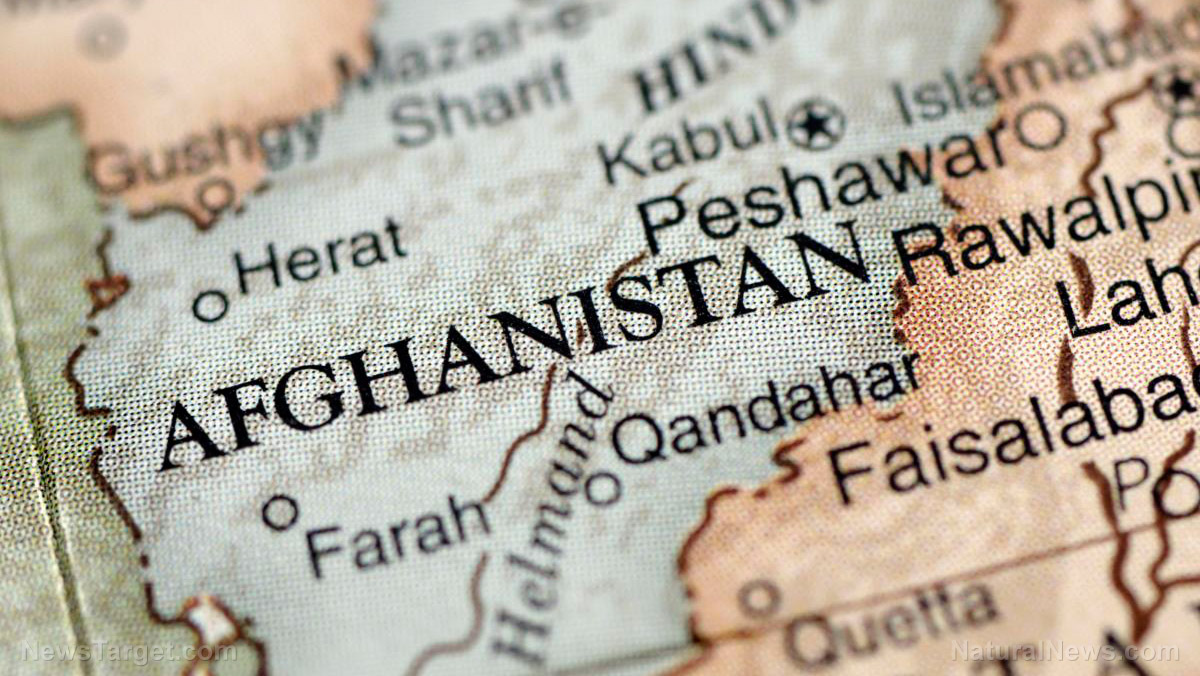
Pakistan and Afghanistan edge toward “open war” as ceasefire crumbles
From Regional Spark to Global Inferno: The Path to Nuclear Catastrophe in the Middle East

Iran’s War Strategy: Blind, Deplete, and Overwhelm – The Calculated Plan to Render U.S. Defenses Obsolete

Iran’s Retaliatory Strikes: A Devastating Multi-Nation Assault on U.S. Allies and Infrastructure
The Netanyahu Gambit: How Trump Walked America Into an Iranian War Trap

The Apocalypse Pantry: Grow your own pharmacy before the supply chain collapses
