© Brighteon.com All Rights Reserved. All content posted on this site is commentary or opinion and is protected under Free Speech. Brighteon is not responsible for comments and content uploaded by our users.

On this week’s Haftarah Portion, Monte Judah connects the Torah portion about Jacob and Esau to Romans 9, unpacking some of the most challenging lines in Scripture: “Jacob I loved, but Esau I hated.” “I will have mercy on whom I will have mercy.” “Does not the Potter have power over the clay?” Is God really fair? What does it mean that He hardened Pharaoh’s heart? How do justice, mercy, election, and human responsibility all fit together? Monte walks through these questions using the stories of Jacob & Esau, Pharaoh, and Israel & the nations, showing how God’s righteousness goes far beyond our limited sense of “fairness.” In this episode you’ll learn: Why Paul reaches back to Jacob and Esau in Romans 9 What “Jacob I loved, Esau I hated” actually means in context How God’s justice and mercy operate together (and why our idea of fairness falls short) What it really means that God hardened Pharaoh’s heart How faith, righteousness, and Torah fit together Why Gentile believers are part of the people of Israel (Commonwealth of Israel) How modern issues (identity, rebellion, “fairness”) mirror the same heart problems we see in Scripture Key Scriptures Torah Portion: Toledot / Generations (Jacob & Esau) New Testament: Romans 9, Romans 3–4, Hosea 2:23, Isaiah 10
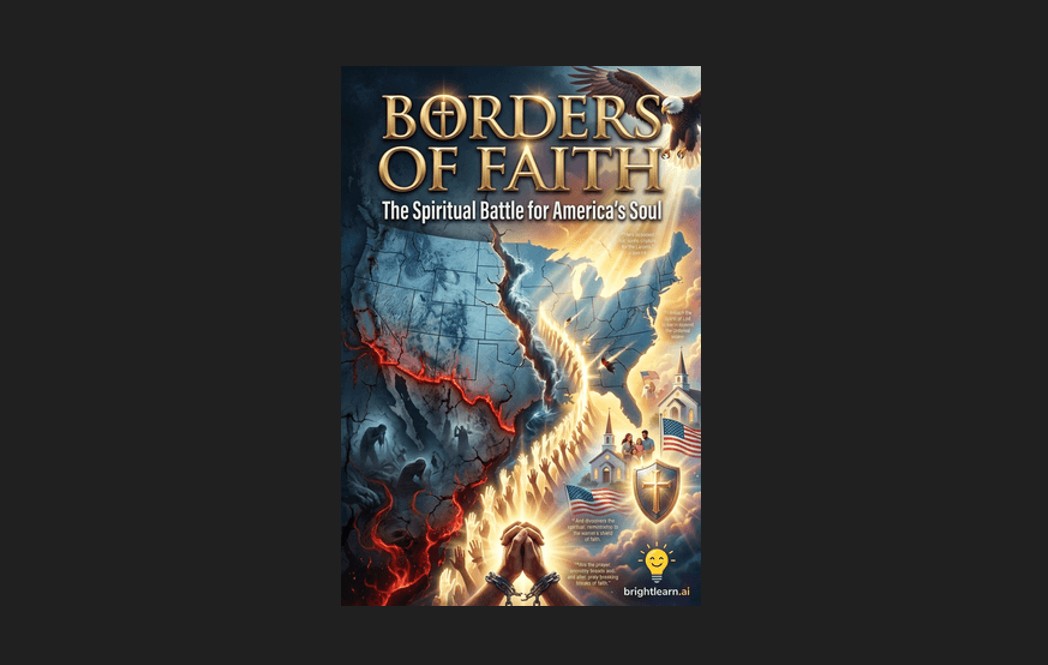
Borders of Faith: Exposing the dark forces behind America’s border collapse

A world divided: Global fury and celebration follow Khamenei’s death

Wisconsin inmate sentenced to 16.5 years for framing robbery victim with forged Trump threats

Iran’s War Strategy: Blind, Deplete, and Overwhelm – The Calculated Plan to Render U.S. Defenses Obsolete

Unsupervised and overbilled: Records reveal systemic failures in Minnesota daycare oversight
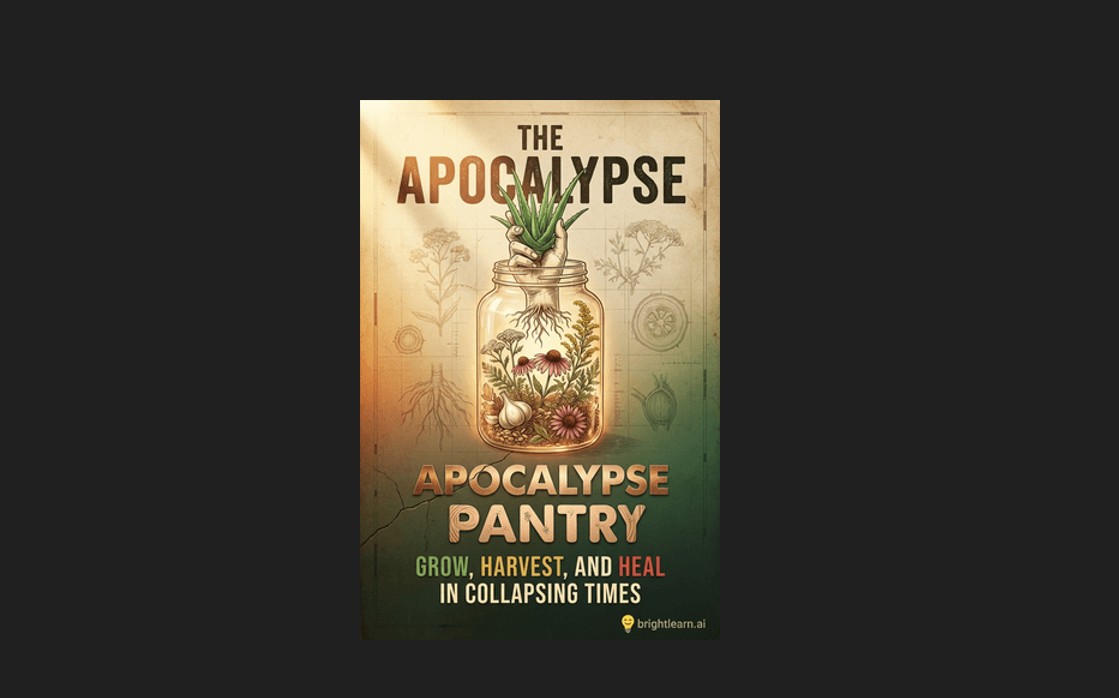
The Apocalypse Pantry: Grow your own pharmacy before the supply chain collapses
