© Brighteon.com All Rights Reserved. All content posted on this site is commentary or opinion and is protected under Free Speech. Brighteon is not responsible for comments and content uploaded by our users.
Grand Jury | Day 1
3944 followers
Follow
0
Share
Report
51 views • February 07, 2022
From Glenn Huxtable
To those wondering about the reach of a Grand Jury, or even what a Grand Jury is ...
grand jury, in Anglo-American law, a group that examines accusations against persons charged with crime and, if the evidence warrants, makes formal charges on which the accused persons are later tried. Through the grand jury, laypersons participate in bringing suspects to trial. Though it holds judicial inquiries, the grand jury does not decide guilt or innocence. Its function is inquisitorial and accusatorial, unlike that of the petit jury, which tries cases. The grand jury’s function is to decide whether there is “probable cause” or “prima facie evidence” to believe that a person has committed a crime. Should it so decide, an indictment, a formal accusation of crime, is returned, and the accused must stand trial before a petit, or trial, jury whose duty is to determine the question of guilt “beyond a reasonable doubt.” The grand jury enjoys greater independence than the petit jury. It is instructed by the court prosecutor on questions of law and fact, but its investigations are relatively free from supervision. Although the jury works closely with the prosecutor, it is not formally under his control.
To those wondering about the reach of a Grand Jury, or even what a Grand Jury is ...
grand jury, in Anglo-American law, a group that examines accusations against persons charged with crime and, if the evidence warrants, makes formal charges on which the accused persons are later tried. Through the grand jury, laypersons participate in bringing suspects to trial. Though it holds judicial inquiries, the grand jury does not decide guilt or innocence. Its function is inquisitorial and accusatorial, unlike that of the petit jury, which tries cases. The grand jury’s function is to decide whether there is “probable cause” or “prima facie evidence” to believe that a person has committed a crime. Should it so decide, an indictment, a formal accusation of crime, is returned, and the accused must stand trial before a petit, or trial, jury whose duty is to determine the question of guilt “beyond a reasonable doubt.” The grand jury enjoys greater independence than the petit jury. It is instructed by the court prosecutor on questions of law and fact, but its investigations are relatively free from supervision. Although the jury works closely with the prosecutor, it is not formally under his control.
Keywords
FREE email alerts of the most important BANNED videos in the world
Get FREE email alerts of the most important BANNED videos in the world that are usually blacklisted by YouTube, Facebook, Google, Twitter and Vimeo. Watch documentaries the techno-fascists don't want you to know even exist. Join the free Brighteon email newsletter. Unsubscribe at any time. 100% privacy protected.
Your privacy is protected. Subscription confirmation required.
Recent News
U.S. Lawmakers Intensify Push to Curb Trump’s War Powers Over Iran Conflict
Garrison Vance
Fed Official: Iran War Limits Central Bank’s Ability to Provide Rate Guidance
Sterling Ashworth

Failed liberal policies are driving businesses out of blue cities and states
Lance D Johnson
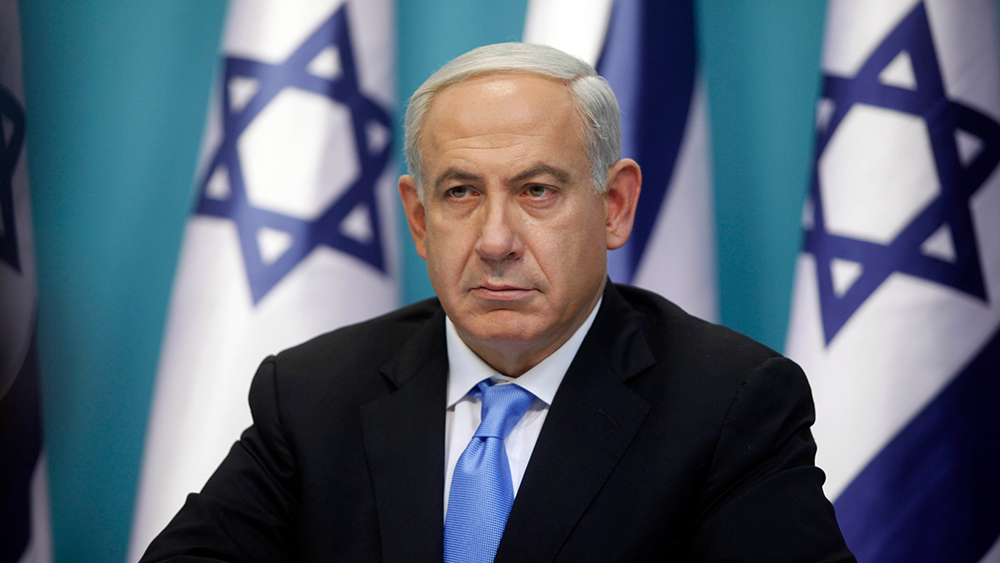
Political rivals unite: Bennett and Lapid join forces to challenge Netanyahu in upcoming Israeli election
Zoey Sky
Mediterranean crisis: Israel intercepts Gaza-bound Flotilla in international waters
Ava Grace

Trump’s ‘Project Freedom’ Is a Reckless Provocation to War – and American Sailors Are the Bait
Mike Adams
