© Brighteon.com All Rights Reserved. All content posted on this site is commentary or opinion and is protected under Free Speech. Brighteon is not responsible for comments and content uploaded by our users.

🔥 Ilya Anvari-Maram, a fourth-grade student from Kermanshah, (Iran) addresses the enemy:
"O Israel — O wicked and vile enemy! Know that the soil of Iran is nourished by blood. Every stone is forceful — we stand steadfast to the death, without submission, without shame.
We have joined hands to dry up the roots of oppression, to raise the banner of truth!"
Cynthia... Kermanshah is widely recognized as the largest Kurdish-populated city in Iran and one of the most significant urban centres of Kurdish culture in the region.
From Wiki, a little history:
Kermanshah is considered one of the
cradles of prehistoric cultures. According to archaeological surveys
and excavation, the Kermanshah area has been occupied by prehistoric
people since the Lower Paleolithic period, and continued to later
Paleolithic periods until late Pleistocene period. The Lower
Paleolithic evidence consists of some hand axes found in the Gakia
area to the east of the city. The Middle Paleolithic remains have
been found in various parts of the province, especially in the
northern vicinity of the city in Tang-e Kenesht, Tang-e Malaverd and
near Taq-e Bostan.
Neanderthal Man existed in the Kermanshah region during this period and the only discovered skeletal remains of this early human in Iran was found in three caves and rock shelter situated in Kermanshah province. The known Paleolithic caves in this area are Warwasi, Qobeh, Malaverd and Do-Ashkaft Cave. The region was also one of the first places in which human settlements including Asiab, Qazanchi, Sarab, Chia Jani, and Ganj-Darreh were established between 8,000 and 10,000 years ago.
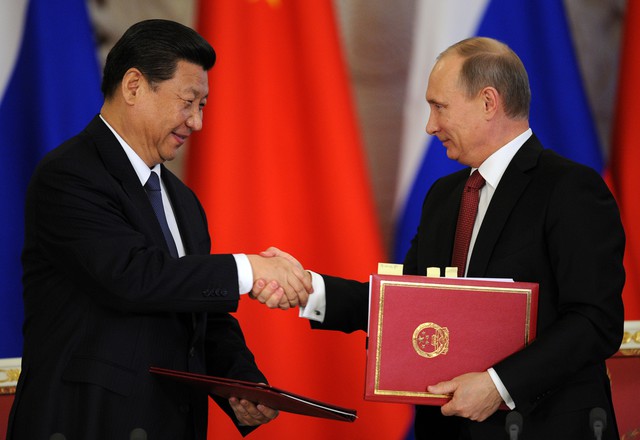
Russia-China partnership reaches “unprecedentedly high level” as bilateral trade surges

Modi and Trump Hold Phone Call as India Raises Concerns Over Russia Sanctions

Egypt Detains Entire Newsroom of Fact-Checking Outlet Matsada2sh

Data Centers Could Sink Republicans in November Midterm Elections
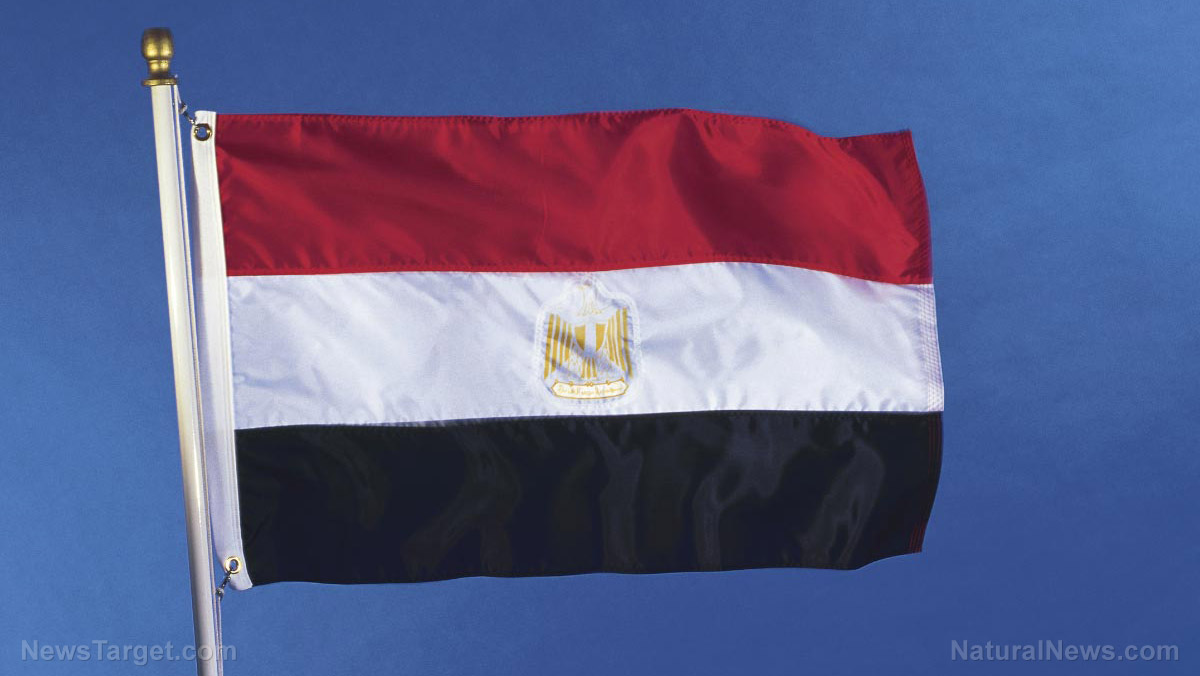
U.S. waives $320 million in Egypt military aid conditions, citing Iran war role

Hegseth Appoints Major MAGA Donors as Pentagon Advisors, Raising Conflict of Interest Concerns
