© Brighteon.com All Rights Reserved. All content posted on this site is commentary or opinion and is protected under Free Speech. Brighteon is not responsible for comments and content uploaded by our users.

Betrayed and Cornered: How the U.S. Abandoned Syria’s Kurds While Damascus Offers Paper Guarantees
Syria’s war is entering a new phase, and its long-time U.S. ground partner against ISIS — the Kurdish-led Syrian Democratic Forces (SDF) — is once again being sacrificed. This is unfolding amid talk of strikes on Iran, Syria–Israel contacts, and renewed U.S. engagement with Damascus.
In January 2026, under direct pressure from U.S. military commanders, Kurdish forces withdrew from the Sheikh Maqsoud and Ashrafieh districts of Aleppo, which they had controlled since 2012. SDF leader Mazloum Abdi was advised to hand over the areas without resistance. Damascus then pushed further, deploying Islamist forces toward Kurdish-held Deir Hafir [video], east of the Euphrates. With U.S. personnel also appearing on the scene, Kurdish units soon withdrew from Deir Hafir and Maskanah. The Euphrates now separates the sides, while oil-rich Deir ez-Zor may be next.
Against this backdrop, Syrian leader al-Julani is playing a double game. He threatens to disarm the SDF while simultaneously issuing decrees recognizing Kurdish cultural rights — legalizing the Kurdish language, declaring Nowruz a national holiday, and promising citizenship to those previously stripped of it. Integration into the new Syrian state is presented as the only path to safety.
Kurds remain deeply skeptical. Al-Julani’s power base is rooted in Hayat Tahrir al-Sham, whose fighters previously besieged and shelled Kurdish districts, including Sheikh Maqsoud. Their record elsewhere in Syria has not been forgotten.
The result is a familiar pattern. The United States has effectively handed its former allies over to Damascus. In return, Syria’s new rulers offer rights on paper while keeping military force on the table. The fate of Syria’s Kurds will be decided not by them, but by negotiations between Ankara, Washington, Damascus, and Tel Aviv.

Pentagon Confirms 150+ U.S. Casualties as Global Energy Markets Brace for Collapse
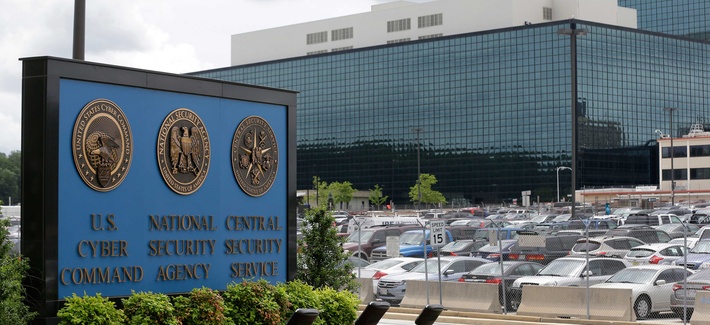
Senate Confirms General Joshua Rudd as Director of NSA and Cyber Command
DHS Funding Lapse Prompts Earlier Airport Arrival Recommendations Amid Reported Delays
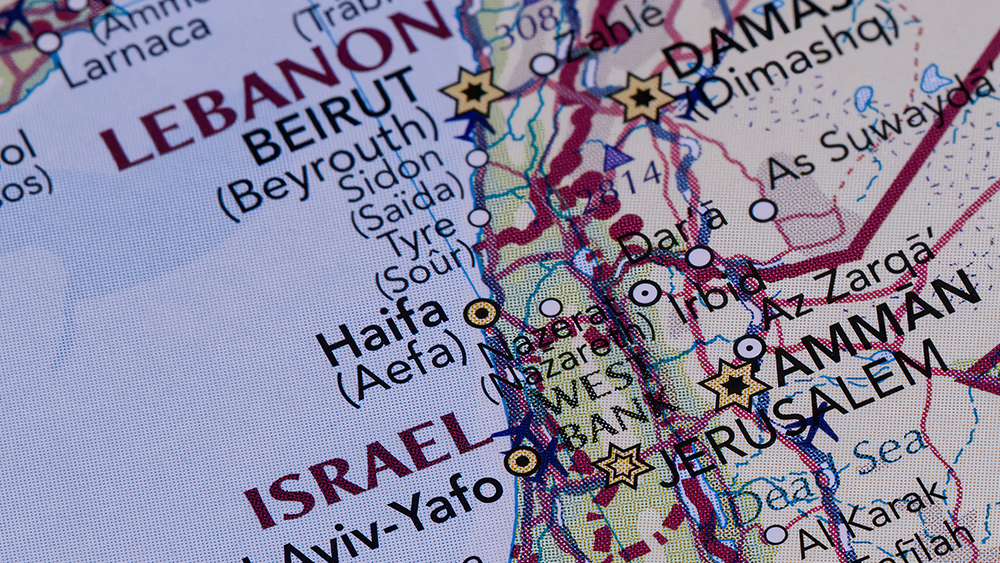
EU pledges $115 million in humanitarian aid to Lebanon amid escalating regional conflict
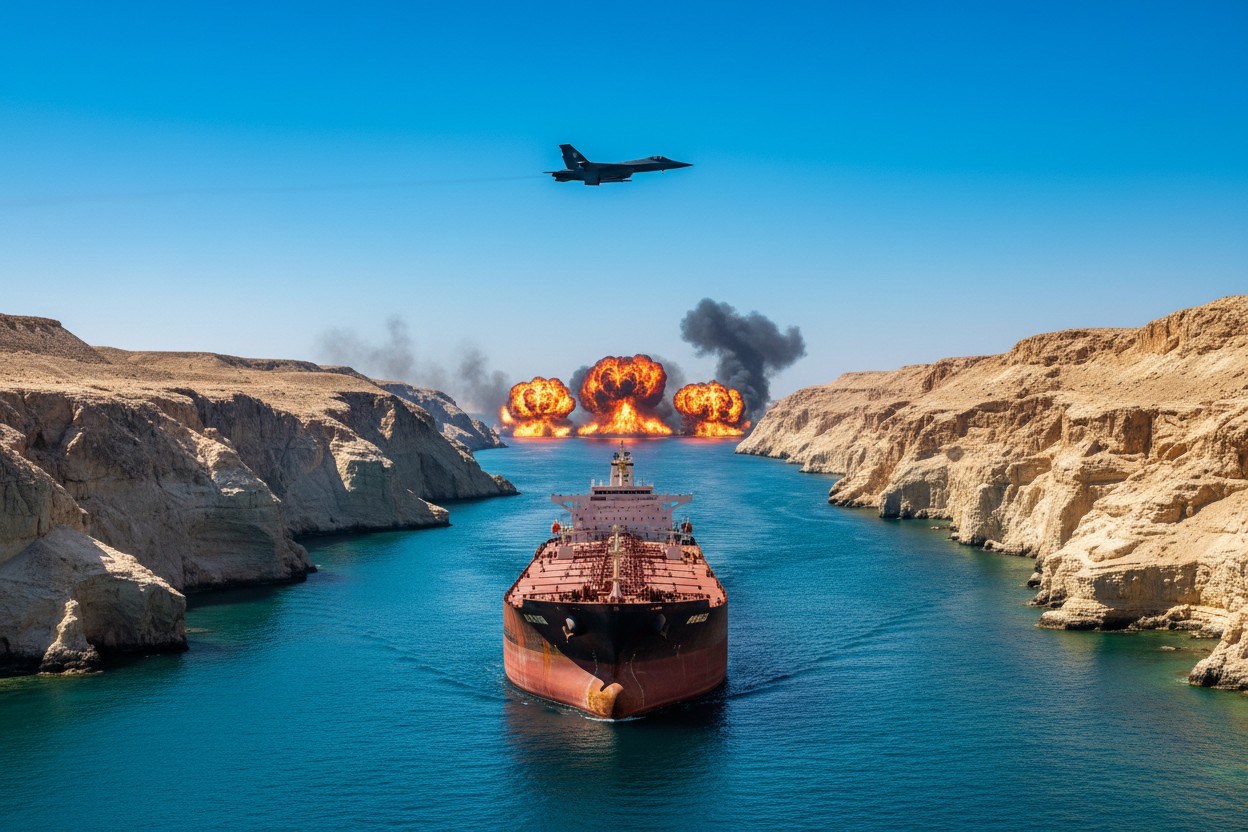
Iran threatens to ELIMINATE Trump as tensions escalate over Strait of Hormuz
The Famine Years: How Trump’s Unnecessary War Has Put Global Food Security on the Brink
