© Brighteon.com All Rights Reserved. All content posted on this site is commentary or opinion and is protected under Free Speech. Brighteon is not responsible for comments and content uploaded by our users.


This channel has partnered with the Brighteon Store and receives a small commission from all sales generated from an affiliate link.
Click the shop now button below to help out this channel.
Wayne K. Clatterbuck, a professor at the University of Tennessee, provides expert guidance on assessing, caring for, and preventing storm damage to residential trees caused by snow, ice, wind, hail, and heavy rain. Such damage can lead to uprooting, broken branches, and crown loss, stressing trees and exposing them to disease. Immediate assessment is crucial—if over 30-50% of main branches or the trunk are severely damaged, recovery may be unlikely. Different trees suffer different damage: mature trees often split, while younger ones bend. Blow-overs result from root failure, and high, small breaks have better recovery chances. For pruning, Clatterbuck advises cutting smaller branches back to larger ones, avoiding stubs, and making angled cuts near buds. Safety is paramount, especially near power lines or tensioned limbs; large jobs should be handled by certified arborists. Avoid tree wound dressings, as they hinder healing. Prevention includes selecting sturdy species, maintaining tree health through watering and pruning, thinning branches periodically, and avoiding root damage. While no method guarantees complete protection, proper care and quick response to damage can significantly reduce risks.
For more videos, visit BrightLearn.ai
Find a copy of this amazing book here.
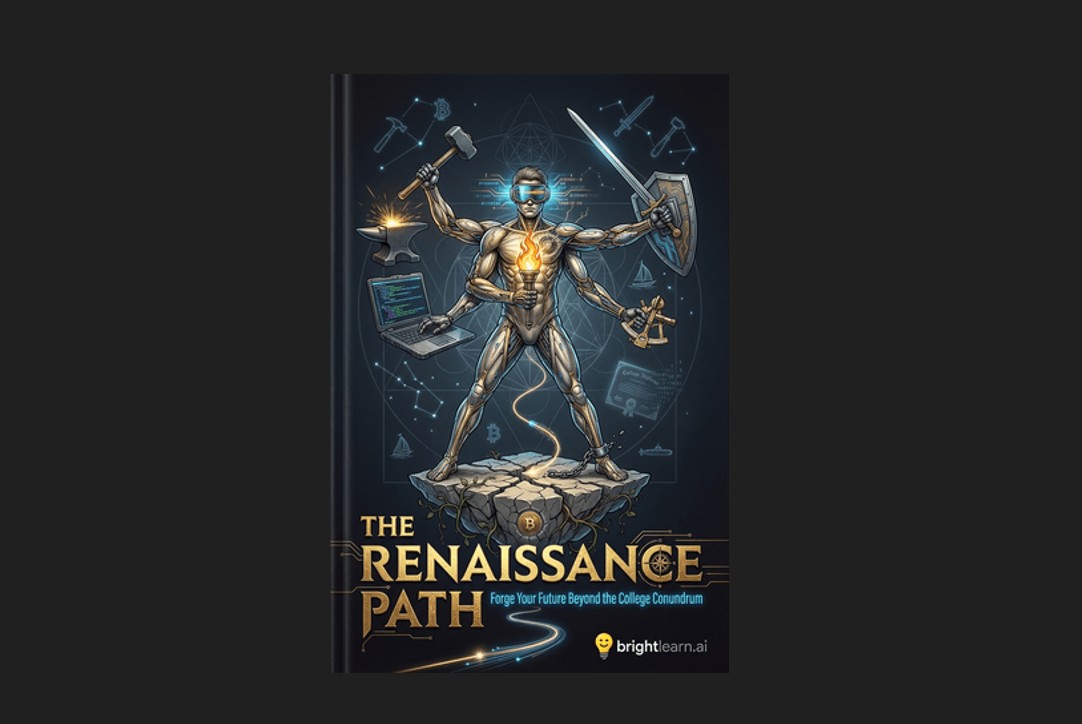
The Renaissance Path: A radical blueprint for self-reliance in a broken system

The Sun Cannot Be Taxed: Why Energy Freedom Is the Ultimate Form of Personal Liberty
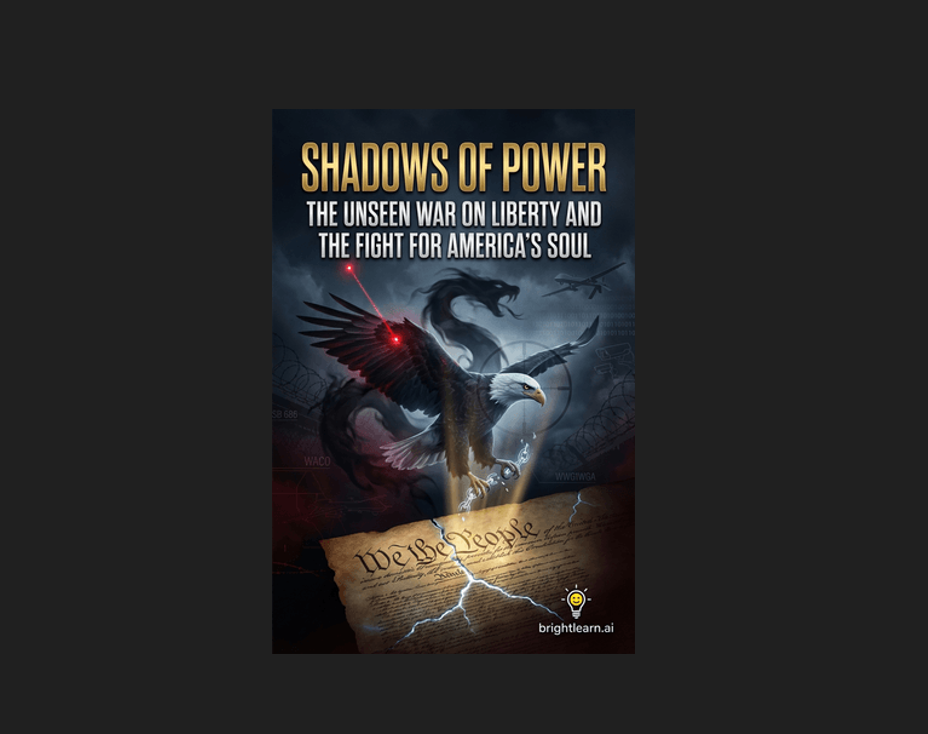
Shadows of Power: On the art and science of long-range shooting
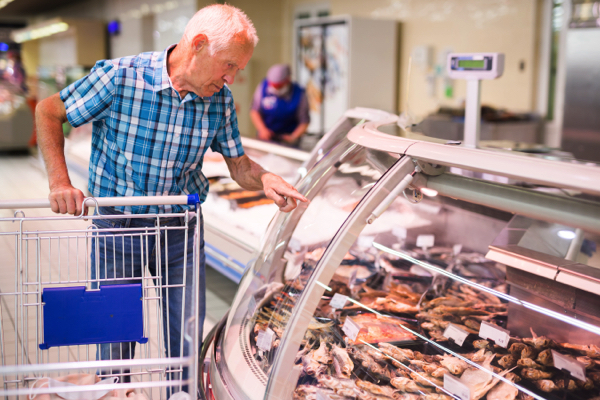
Buyer beware: Why even a trace of dioxins in your food is a cause for alarm
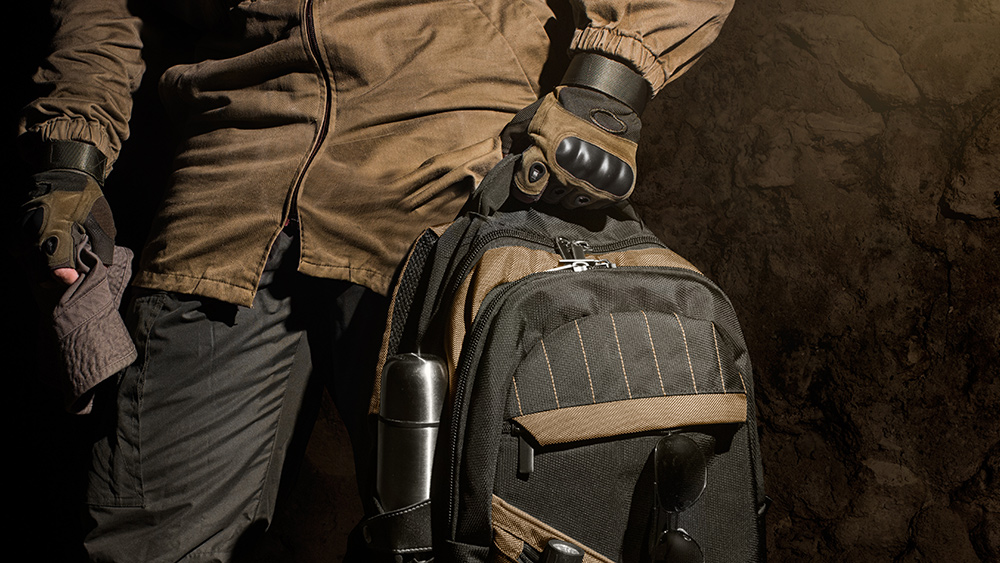
Strategic storage: How “layered” prepping at home can save critical seconds in an emergency

Gold Backs: The survivalist’s ultimate hedge amid dollar demise
