© Brighteon.com All Rights Reserved. All content posted on this site is commentary or opinion and is protected under Free Speech. Brighteon is not responsible for comments and content uploaded by our users.

Why a Venezuela–Guyana War Could Be a Strategic Proxy War for China vs. the U.S.: 1. Location & Access The Essequibo region is on the Atlantic coast, offering strategic maritime access. Close proximity to U.S. influence in the Caribbean and South America makes it geopolitically sensitive. 2. Oil and Natural Resources Guyana has massive offshore oil reserves (ExxonMobil is heavily invested). Venezuela is already oil-rich and wants control over Guyana’s reserves. The U.S. has economic interests in protecting those oil operations. China could support Venezuela to gain access and challenge U.S. energy dominance. 3. Political Alliances Venezuela is already aligned with China and Russia through arms deals and financial loans. Guyana has growing U.S. ties and American military cooperation. A conflict would test these alliances without direct confrontation. 4. Military Influence China could use the conflict to test weapons, strategies, and logistics support through Venezuela. The U.S. could respond by bolstering Guyana militarily and diplomatically, possibly setting up a regional base. 5. Distraction and Leverage A proxy war here would pull U.S. focus and resources toward South America. China could use it as leverage in other global arenas (e.g., South China Sea or Taiwan). Venezuela could benefit from foreign military and economic backing to distract from domestic issues. 6. Low Global Resistance South America is often overlooked in global conflicts, making it easier to escalate without the same level of global media scrutiny. Western countries may be slower to intervene compared to conflicts in Europe or the Middle East. 7. Testing Ground Both powers could test influence operations, drone tech, cyber warfare, and logistics support in a real but contained environment.
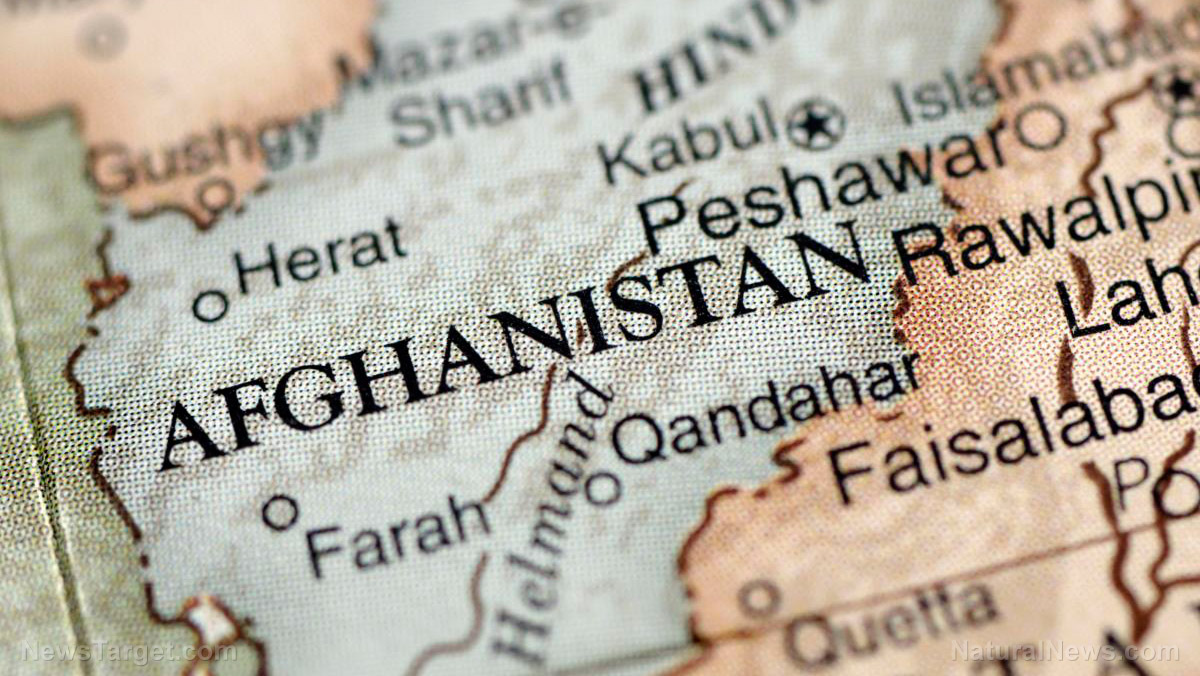
Pakistan and Afghanistan edge toward “open war” as ceasefire crumbles
From Regional Spark to Global Inferno: The Path to Nuclear Catastrophe in the Middle East
Iran’s War Strategy: Blind, Deplete, and Overwhelm – The Calculated Plan to Render U.S. Defenses Obsolete
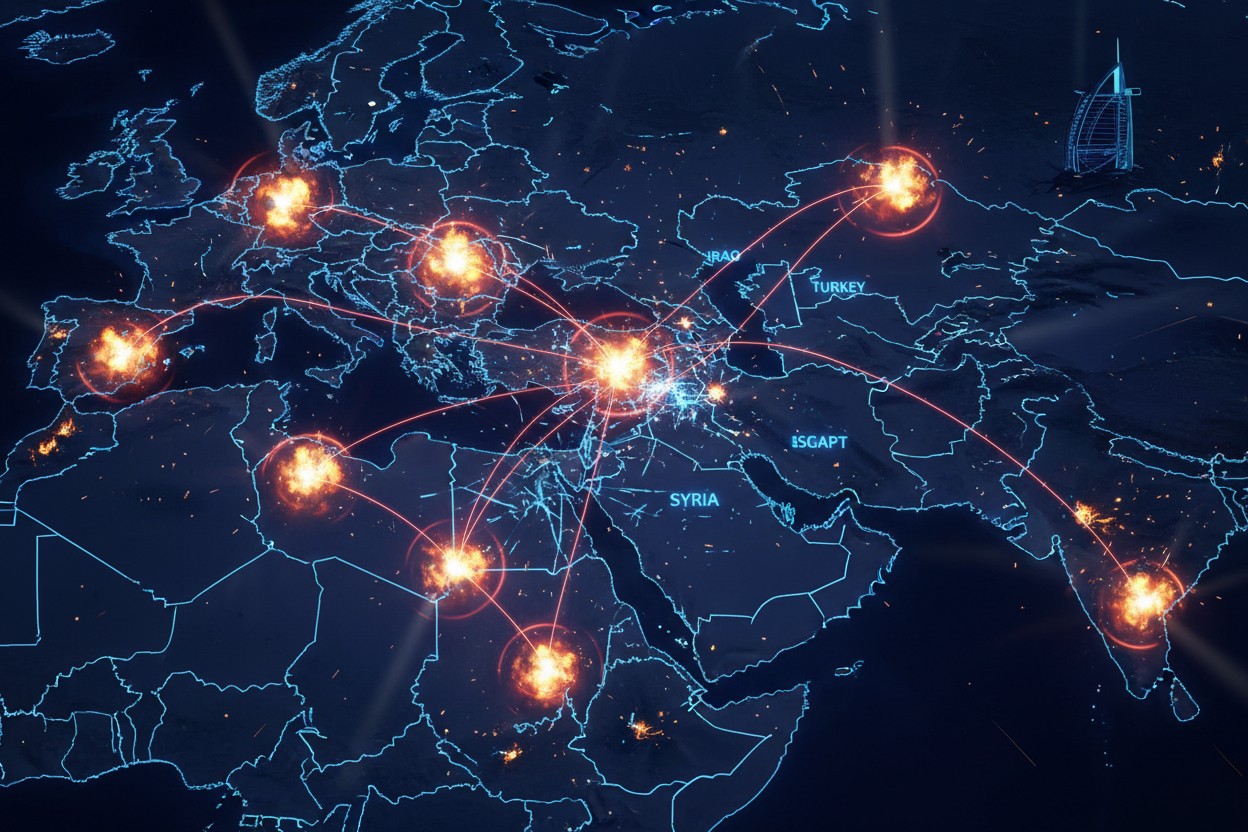
Iran’s Retaliatory Strikes: A Devastating Multi-Nation Assault on U.S. Allies and Infrastructure
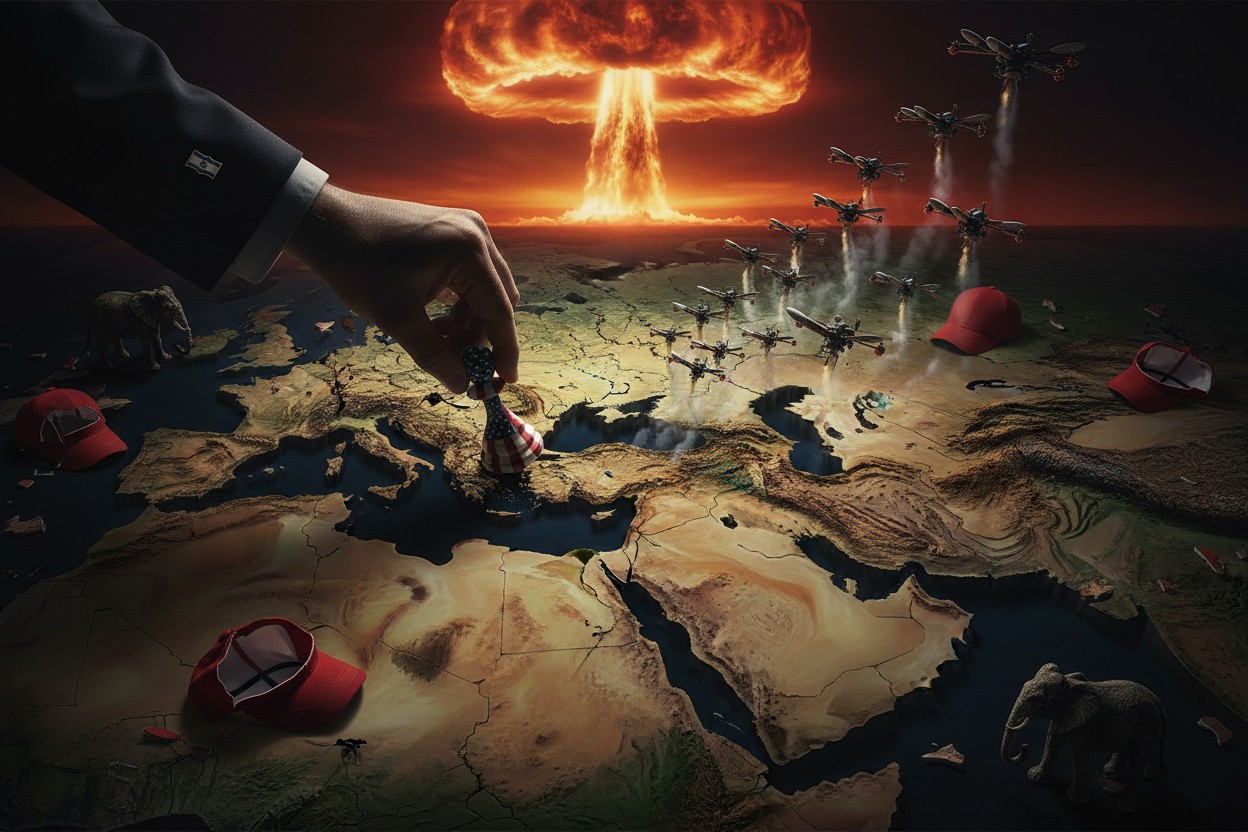
The Netanyahu Gambit: How Trump Walked America Into an Iranian War Trap

The Apocalypse Pantry: Grow your own pharmacy before the supply chain collapses
