© Brighteon.com All Rights Reserved. All content posted on this site is commentary or opinion and is protected under Free Speech. Brighteon is not responsible for comments and content uploaded by our users.


This channel has partnered with the Brighteon Store and receives a small commission from all sales generated from an affiliate link.
Click the shop now button below to help out this channel.
The discussion centers on escalating U.S.–Iran tensions, diplomacy, and the risks of military confrontation. Trump claims Iran has called to negotiate and that talks may occur, but he simultaneously threatens military action, suggesting Iran is seeking talks out of weakness. Critics argue this misrepresents Iran’s long-standing position: Iran is open to diplomacy but refuses to abandon its nuclear program, ballistic missiles, or regional alliances—conditions Trump demands.
Analysts warn that Iran is militarily prepared for conflict. Its defenses include hardened, dispersed missile sites, advanced radar and air defenses (possibly strengthened by Chinese systems), and the ability to close the Strait of Hormuz. Past Israeli strikes relied on standoff weapons and covert sabotage, not direct overflights, due to fear of Iran’s defenses. Although initial surprise attacks disrupted some systems, Iran recovered quickly and retaliated.
The killing of Qassem Soleimani remains a major grievance for Iran, viewed domestically as an unlawful assassination during a diplomatic mission. Iran’s deterrence strategy, partly designed by Soleimani, is based on the principle that any large attack on Iran would result in devastating retaliation against Israel, including hypersonic missiles for which Israel has limited defenses.
The conversation also highlights concern that Trump believes adversaries will always back down, underestimating Iran’s willingness to endure hardship. Iran’s leadership and society are portrayed as historically resilient, shaped by a Shia culture of sacrifice and survival through persecution. While Iran prefers diplomacy to reduce pressure, there is a risk it could conclude restraint no longer works and opt for sustained conflict aimed not at victory, but at endurance and attrition.
Finally, U.S. political pressure—especially from figures like Senator Lindsey Graham calling openly for regime change—raises fears that Trump could authorize new strikes. The consensus among the speakers is that such an attack is plausible and could trigger a wider, highly destructive regional war, with severe consequences for Israel and long-term instability rather than the decisive outcome its advocates expect.
........................
** NEW MERCH ** Jackets & Sweatshirts, Thermo Mugs!!
Daniel Davis Deep Dive Merch: Etsy store
https://www.etsy.com/shop/DanielDavisDeepDive?dd_referrer=
Mirrored - Daniel Davis / Deep Dive
------------
To survive what is coming, read/study: https://thewayhomeorfacethefire.net
The Gibraltar Messenger : https://gibraltar-messenger.net/
Christ is KING!

Why Iran, Not America, Now Controls the Global Energy Economy
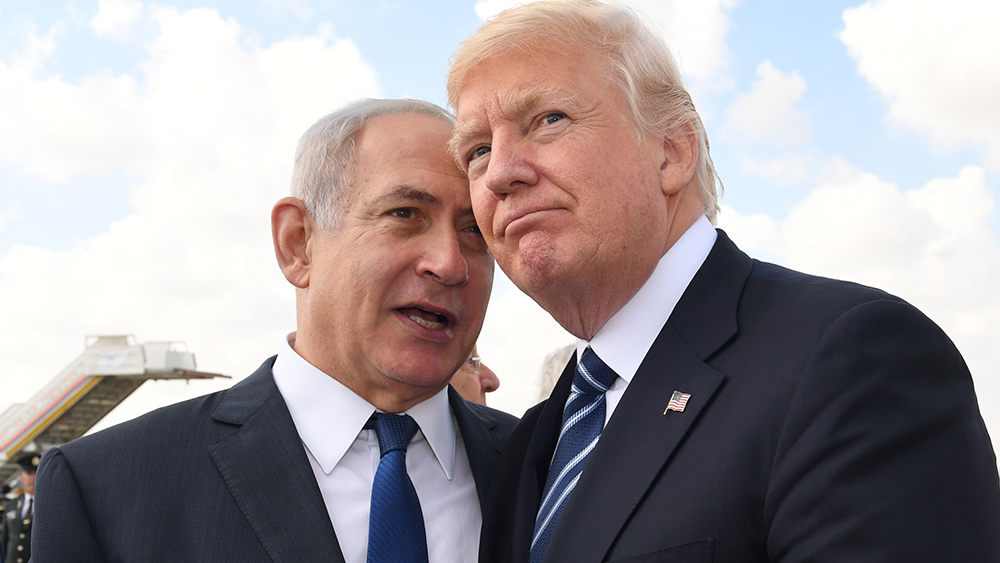
Trump says ending Iran war a “mutual” decision with Netanyahu, demands surrender

Trump announces energy pledge with major tech firms to cover AI power costs
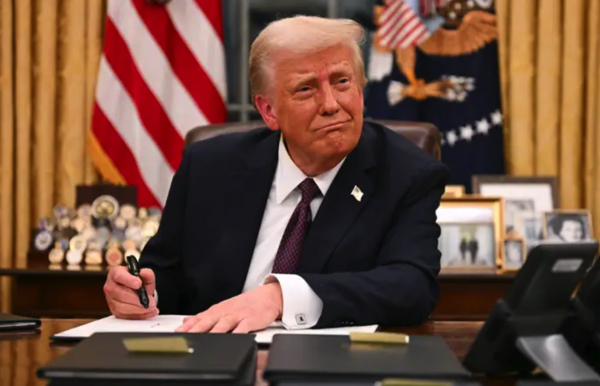
Trump refuses to sign any legislation until Senate passes voter ID bill

Global Sulfur Crisis: The Chemical Achilles Heel of Modern Civilization Has Been Severed

Amazon Prime Video Cuts Nearly 3,000 Employees, Citing Transition to ‘AI-First Development’
