© Brighteon.com All Rights Reserved. All content posted on this site is commentary or opinion and is protected under Free Speech. Brighteon is not responsible for comments and content uploaded by our users.


This channel has partnered with the Brighteon Store and receives a small commission from all sales generated from an affiliate link.
Click the shop now button below to help out this channel.
4th of July sale is going on NOW thru July 10th at shop.resistancechicks.com use promocode "1776" at the checkout to save 10%!
Our founding fathers believed they were setting up a nation for countless generations coming after them. Yes, the world looks pretty crazy right now and it's hard to rest in peace. The tranquility our founders fought for has been co opted by bad actors but that does not mean our nation is done for or that real liberty cannot be restored Guys, please do not make any important life decisions because someone is telling you their interpretation of prophecy sees Jesus coming back in this lifetime. You certainly should make your soul ready to meet Jesus at any moment but also plan and be ready to be here for another 1000 yrs. For 2,000 yrs there have been Christians who felt for certain they were the generation to see Jesus's second coming however the eschatology of our founding fathers and Pilgrims was more post millennial or historist, or amillennial The Reformers generally rejected chiliastic views, which involve a literal thousand-year reign of Christ on earth, as seen in the Anabaptist movement. They also rejected dispensational premillennialism, which is considered incompatible with the doctrines of grace. The Reformers' eschatological understanding was orthodox and based on Scripture, with a strong emphasis on the sovereignty of God. While the Reformers did not develop eschatology extensively, later generations of Reformed theologians have continued to refine and develop amillennial views, emphasizing God's sovereignty and the symbolic nature of apocalyptic literature like the Book of Revelation. The Reformers' eschatology was not primarily concerned with the timing of end-time events but rather with the certainty of Christ's triumph and the ultimate fulfillment of God's purposes.

The invisible threat: Why your stockpile must contain dioxin-tested supplies

The overlooked lifeline: How public libraries are a prepper’s best free resource

Gold Backs: A revolutionary return to sound money

Spring survival prep: Why preppers should embrace seasonal readiness
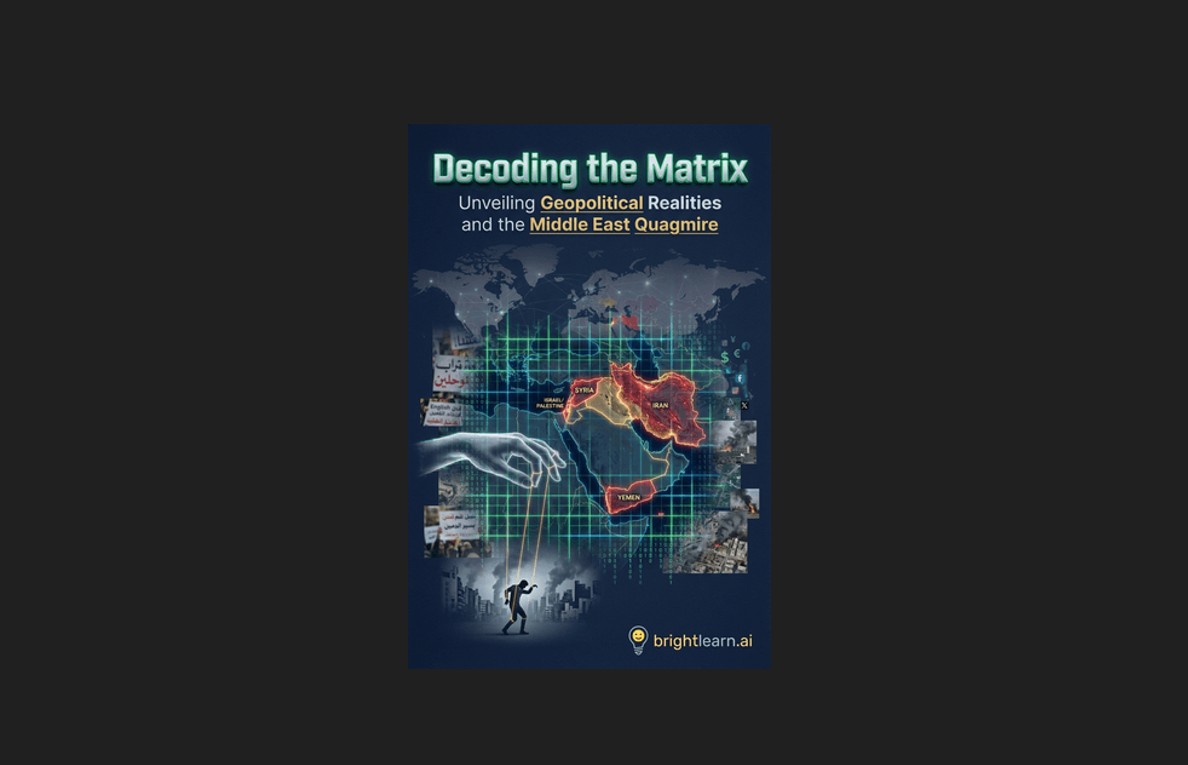
Decoding the Matrix: How global elites engineered chaos in the Middle East

The panic cascade: 10 Crises that could empty store shelves overnight and how to secure your family’s food supply now
