© Brighteon.com All Rights Reserved. All content posted on this site is commentary or opinion and is protected under Free Speech. Brighteon is not responsible for comments and content uploaded by our users.


This channel has partnered with the Brighteon Store and receives a small commission from all sales generated from an affiliate link.
Click the shop now button below to help out this channel.
Claire Robinson’s book "GMO Myths and Truths" challenges the claims made in favor of genetically modified organisms (GMOs), arguing that the science contradicts industry-backed assertions of safety and benefits. The authors, having monitored GMO science since the 1990s, dispute claims that GM crops increase yields, reduce pesticide use, or enhance nutrition, exposing these promises as exaggerated or false. They highlight the unpredictable nature of genetic engineering, which differs starkly from natural breeding due to random gene insertion, biochemical changes, and potential health risks. Regulatory oversight is criticized for relying on industry-funded studies and the flawed "substantial equivalence" principle, which ignores unintended alterations in GM crops. Health concerns are raised—citing animal studies showing toxicity and organ damage—while long-term safety studies remain scarce. Environmental harms include herbicide-resistant "superweeds," increased pesticide use, soil degradation, and biodiversity loss. Cross-pollination risks make GM contamination irreversible, stripping farmers and consumers of choice. Despite industry opposition, transparency in labeling is framed as an ethical necessity. The book concludes that GM crops fail to fulfill their promises, advocating instead for sustainable agricultural practices that prioritize environmental and public health over corporate interests.
For more videos, visit BrightLearn.ai
Find a copy of this amazing book here.

FDA rebukes Novo Nordisk for failing to report strokes, suicides and deaths linked to Ozempic, Wegovy

Six Botanical Alternatives to Melatonin Reported by Herbalists for Sleep Support

Diet’s powerful role in cancer prevention: Why conventional medicine overlooks it

Study Suggests Cognitive Activity While Sitting Helps Reduce Dementia Risk
“The Truth About Pet Cancer” on BrightU: Experts link pet cancer to mitochondrial damage from toxins like fluoride
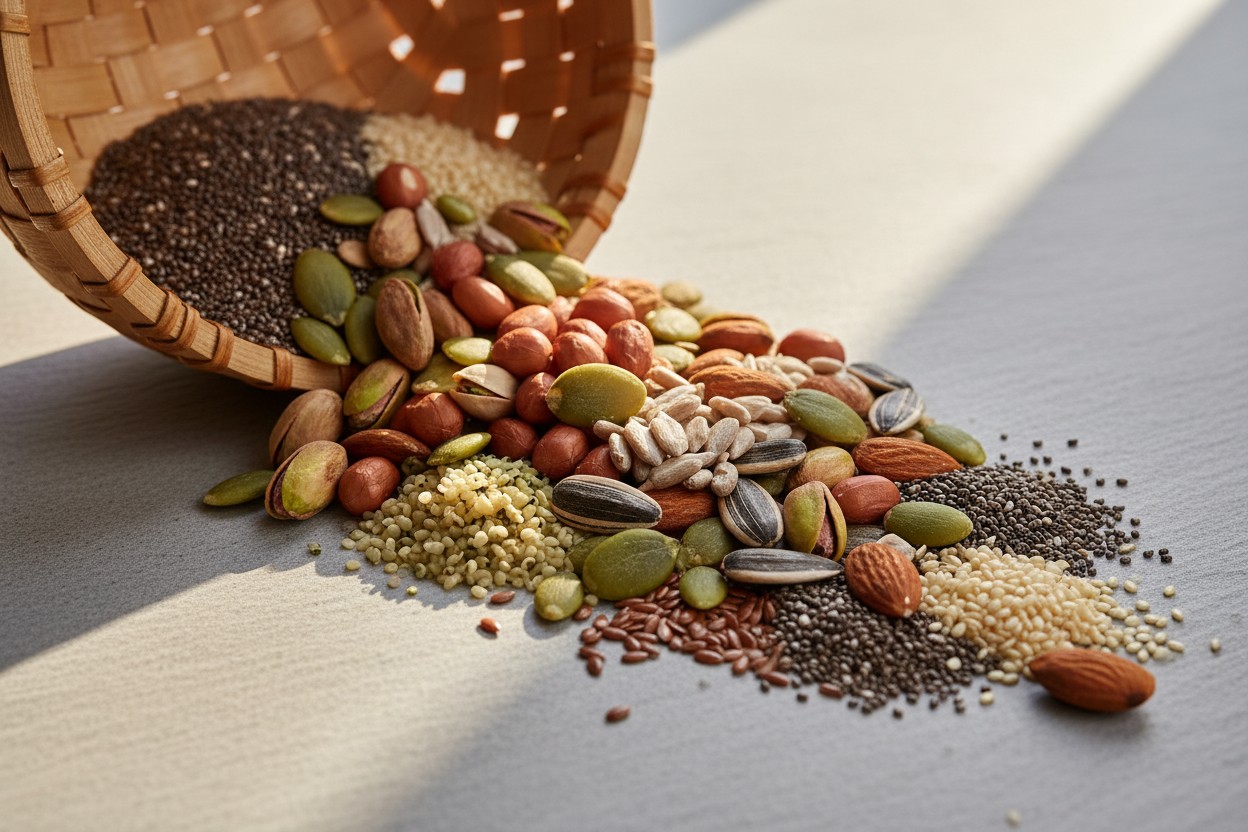
High-Protein Nuts and Seeds Listed as Natural Dietary Options
