© Brighteon.com All Rights Reserved. All content posted on this site is commentary or opinion and is protected under Free Speech. Brighteon is not responsible for comments and content uploaded by our users.

THE REFORMATION
I. The Reformation as a Reaction Against Medieval Religious Distortions of the Biblical and Early Christian Church’s Teaching
A. Illustration from Luther.
B. Luther—German; Zwingli—Zürich; Thomas Cromwell—England; Calvin—Geneva.
C. Biblical view of salvation (grace only) and its effect on certain aspects of
church construction.
D. Real meaning of destruction of artwork in Reformation.
E. The Reformation rejected.
1. Medieval distortion of Church’s having made its authority equal to the authority of the Bible.
2. Medieval distortion of Church’s having added human works to the finished work of Christ for salvation.
3. Medieval distortion introduced by Aquinas: mixture of biblical thinking and pagan thought.
F. Summary of humanistic influence in church.
1. Illustrated by Raphael’s School of Athens and Disputà.
2. Illustrated by Michelangelo's making pagan prophetesses equal to Old Testament prophets in Sistine Chapel.
G. For William Farel and the other Reformers it was the Scriptures only.
1. Erasmian Christian humanism rejected by Farel.
2. Bible gives needed answers not only as to how to be right with God, but concerning the meaning of life and what is right and what is wrong, and concerning mankind and nature.
3. The people of the Reformation did not have humanism’s problem, because the Bible gives a unity between God—as the ultimate universal—and the individual things.
4. The Reformation was no golden age, but it did aspire to depend on the Bible in all of life.
II. The Reformation and the Arts
A. German Reformation music tradition peaks in Bach.
B. Significance of Cranach’s and Luther’s friendship.
C. Dürer’s identification with Luther evidenced in his diary; significance of his work.
D. Rembrandt’s paintings show that he understood that his sins had sent Christ to the cross, and that Christ is the Lord of all of life.
E. Point is not to romanticize Reformation art but refute view that reformation was either hostile to art and culture, or did not produce art and culture.
F. Wittenberg Gesangbuch, Geneva Psalter, and revival of congregational singing.
III. Comparison of Renaissance and Reformation.
Both sought freedom. In the South license resulted from lack of absolutes; in the North freedom lasted through absolutes.

Iran conflict threatens global supply chains as Strait of Hormuz disruptions mount

Israel strikes Iranian clerical site amid succession talks after Khamenei’s death
The Reluctant Patriot: How to dismantle Big Government socialism, reclaim liberty and defeat the elite’s war on freedom
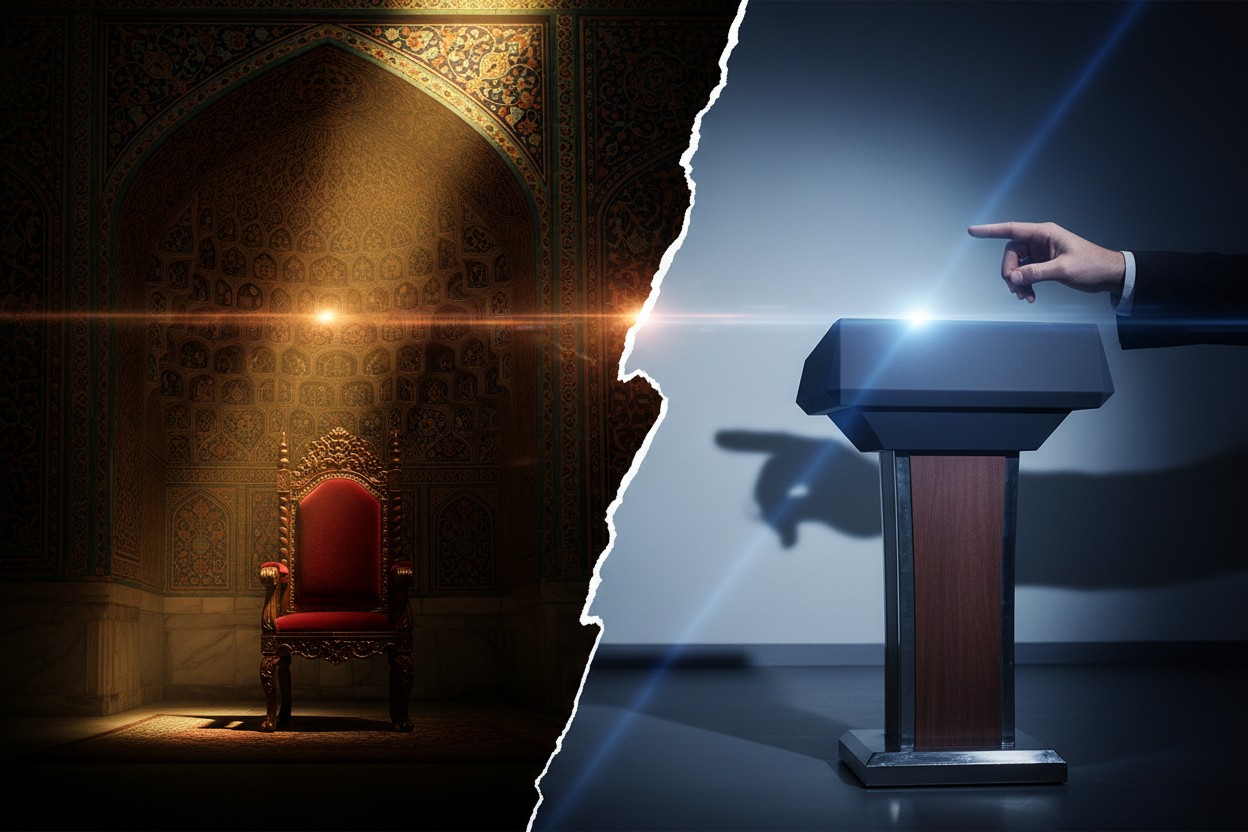
Trump Claims Role in Iran Succession, Opposes Khamenei’s Son

A swift campaign and a new target: Trump touts Iran gains, eyes Cuba
The OverSoul Matrix: Navigating reality, free will and hidden forces
