© Brighteon.com All Rights Reserved. All content posted on this site is commentary or opinion and is protected under Free Speech. Brighteon is not responsible for comments and content uploaded by our users.

Title: The Impact of Recent Events on Global Opinion Towards Israel and Evangelical Christianity
In recent months, the world has witnessed a shift in popular opinion against Israel unlike anything seen since the aftermath of World War II. The conflict in the Middle East has sparked intense debates and discussions, raising questions about the actions of the Israeli government and the role of evangelical Christianity in shaping perceptions. The atrocities committed during the conflict have led many to question the moral compass of those involved and have brought to light deep-seated beliefs that have influenced policies and actions.
The roots of the current situation can be traced back to historical and religious ideologies, particularly Christian Zionism. This belief system, popularized by figures like John Nelson Darby and Cyrus Schofield, has had a profound impact on evangelical theology and its relationship with Israel. The notion of Israel as God's chosen people, with a special covenant and divine protection, has been used to justify and support actions that have now come under intense scrutiny on the global stage.
The alignment of evangelical Christianity with the political agenda of Israel has created a complex web of alliances and beliefs that are now being called into question. The narrative of being God's chosen people has instilled a sense of invincibility and moral superiority among some Israeli leaders, leading to dangerous rhetoric and actions that have shocked the world. The recent conflict has exposed the consequences of such beliefs, revealing the devastating impact they can have on innocent lives and international relations.
As the world witnesses the horrors unfolding in the conflict zone, there is a growing sense of outrage and disbelief at the justifications put forth by some evangelical leaders and Israeli officials. The weaponization of religious texts to justify violence and oppression has raised serious ethical and moral concerns, prompting a reevaluation of the narratives that have long shaped perceptions of Israel and its actions. The challenge now is for individuals and communities to confront these uncomfortable truths and work towards a more just and peaceful future.
The words of voices like Munther Isaac, a Lutheran pastor from Bethlehem, offer a poignant reminder of the moral responsibilities that come with faith. His message underscores the need for Christians to speak out against injustice and violence, to uphold the values of compassion and empathy that lie at the heart of the gospel. It is a call to action for those who have remained silent or complicit in the face of suffering, urging them to reexamine their beliefs and stand on the side of justice and humanity.
The repercussions of the recent conflict are likely to reverberate for years to come, impacting not just the geopolitical landscape but also the spiritual and ethical foundations of evangelical Christianity. The challenge now is to reflect on the lessons learned, to engage in difficult conversations, and to strive towards a more inclusive and compassionate worldview. Only by confronting the uncomfortable truths and acknowledging the complexities of history and belief can we hope to move towards a future where peace, justice, and reconciliation are truly possible.
In conclusion, the events of recent months have laid bare the deep-seated beliefs and ideologies that have shaped global perceptions of Israel and evangelical Christianity. The conflict has exposed the moral and ethical dilemmas inherent in the intertwining of religious convictions with political agendas, challenging individuals and communities to reevaluate their positions and commitments. Moving forward, the path to healing and reconciliation will require courage, empathy, and a willingness to engage in honest dialogue about the complexities of faith, power, and responsibility in a rapidly changing world.
One speaker questions if the Zionists went too far in their actions and if they can recover from the perceived atrocities committed.
The global opinion is shifting against Israel, with a noticeable anti-Israel sentiment worldwide.
The influence of Christian Zionism, starting with figures like John Nelson Darby and Cyrus Schofield, is highlighted as a driving force behind the beliefs of some evangelical groups.
The idea of Israel being God's chosen people is discussed, leading to a sense of invincibility and lack of accountability among some Israelis.
The conversation delves into the concept that some believe Israel has a special covenant with God, exempting them from needing salvation.
Netanyahu's references to Palestinians as "human animals" are mentioned as a reflection of a perceived moral superiority.
There is criticism of evangelical leaders like John Hagee for promoting the idea that Israel is entitled to certain actions based on biblical prophecy.

Pentagon Confirms 150+ U.S. Casualties as Global Energy Markets Brace for Collapse
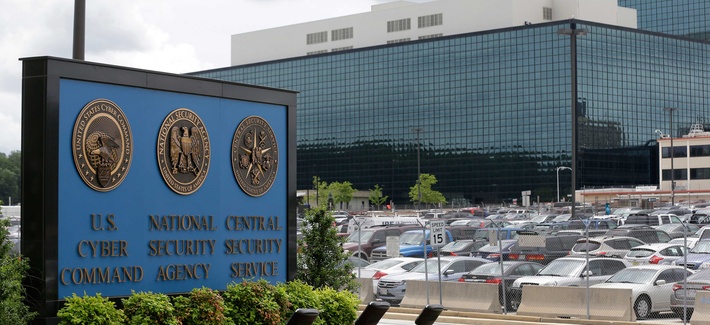
Senate Confirms General Joshua Rudd as Director of NSA and Cyber Command

DHS Funding Lapse Prompts Earlier Airport Arrival Recommendations Amid Reported Delays
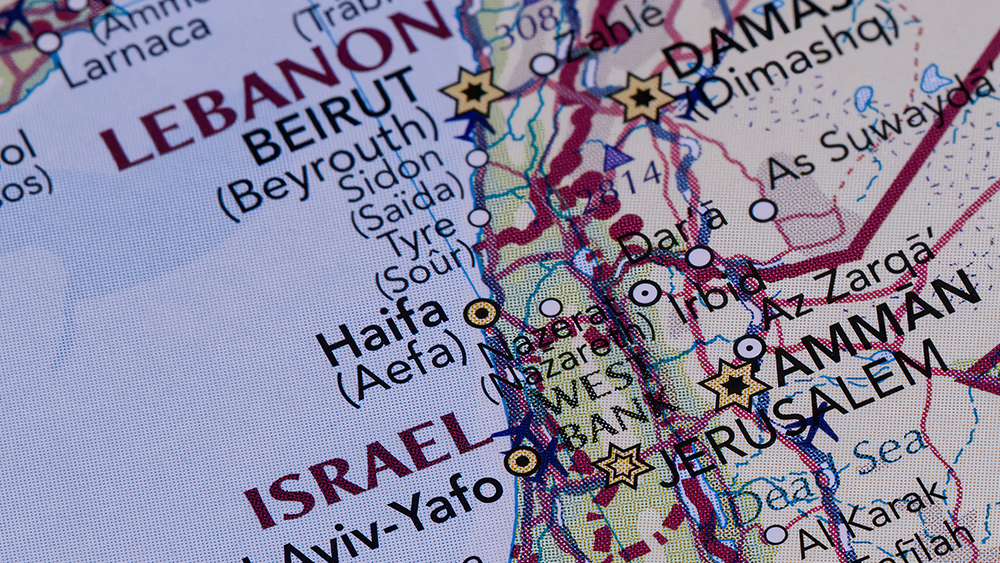
EU pledges $115 million in humanitarian aid to Lebanon amid escalating regional conflict

Iran threatens to ELIMINATE Trump as tensions escalate over Strait of Hormuz

The Famine Years: How Trump’s Unnecessary War Has Put Global Food Security on the Brink
