© Brighteon.com All Rights Reserved. All content posted on this site is commentary or opinion and is protected under Free Speech. Brighteon is not responsible for comments and content uploaded by our users.

Fast, fierce, & feared: Iran's Shahid Soleimani corvettes spook adversaries
As Trump saber-rattles in the Middle East and hurls threats at Iran, a specific component of the Islamic Republic's naval arsenal has unsettled analysts at Israel's Alma Research and Education Center.
In retaliation for any attack on Iran, the IRGC Navy's Shahid Soleimani-class missile corvettes represent a potent asymmetric threat to US Navy vessels, especially in the narrow Strait of Hormuz, warns the think tank.
👉 High-speed agility
These ~65-meter catamarans can reach speeds of up to 32 knots, enabling rapid maneuvers in confined waters
👉 Stealth features
Iran claims the vessel boasts stealth characteristics, with sharp angles and a lightweight aluminum construction designed to reduce its detectability by enemy radar
👉 Heavy missile firepower
Armed with vertical launch systems and box launchers for long-range anti-ship cruise missiles - including systems like the Noor, the Qader and with extended-range versions capable of striking beyond 300 kilometers - they can attack from safe standoff distances
👉 Swarm support
Operating in conjunction with smaller fast-attack vessels, they enable classic swarm warfare—leveraging superior numbers, high speed, and erratic movements to overwhelm enemy defenses within the Strait's narrow geography
Facing down Trump's aggressive rhetoric, Iran has put the US on notice that it has the capability to sink the US warships amassed in the Persian Gulf
Adding:
Moon vs. Trump: Lunar clock ticks down on US’ Iran strike decision
Military planners have long factored the Moon into their calculations. For operations involving low-flying aircraft, special force insertions, or naval landings, the amount of natural light in the night sky can be a decisive variable. And amid the cacophony of threats from Trump to strike Iran, the current Moon's phase is about to shut the window on conditions favorable for any stealth military options.
🔴 The low illumination of the new Moon that on Feb 17 offered ideal skies for such ops is now over
🔴 The lunar cycle has entered its waxing crescent phase of roughly 6-10% illumination - still low but increasing
🔴 Low illumination reduces detection by optical/infrared systems and visual spotting, enhancing stealth for low-flying aircraft and masking terrain advantages
🔴 The current thin crescent means near-ideal low-illumination conditions—similar to the June 2025 US strike window on Iran
🔴 By Feb 28, when the USS Gerald R. Ford strike group is estimated to arrive in the Persian Gulf, the Moon will be almost full — about 80–90% illuminated — and getting brighter each night as it approaches full Moon on March 3
US Marine Corps manuals note that full Moons create shadows, increase target contrast, and raise risks for manned penetrating strikes vs. standoff missiles like Tomahawks.
Such conditions complicate close air support and overall increase risks against layered defenses like Iran's, since even low-flying aircraft become easier to spot visually.
In other words, the US has roughly one day left to exploit natural conditions for a strike under the most favorable circumstances — BUT without the involvement of the second carrier strike group.
For ground operations after bombing that could involve special force insertions, dual carriers provide crucial air cover and logistics against Iran's impressive missile arsenal .
History backs darkness play
🔶 D-Day (June 6, 1944) was chosen for a late-rising full Moon to aid paratroopers while providing low tides for beach assaults
🔶 Operation Desert Storm (1991) was timed for the lowest Moon phase on January 17 to maximize F-117 stealth bomber survivability
@geopolitics_prime
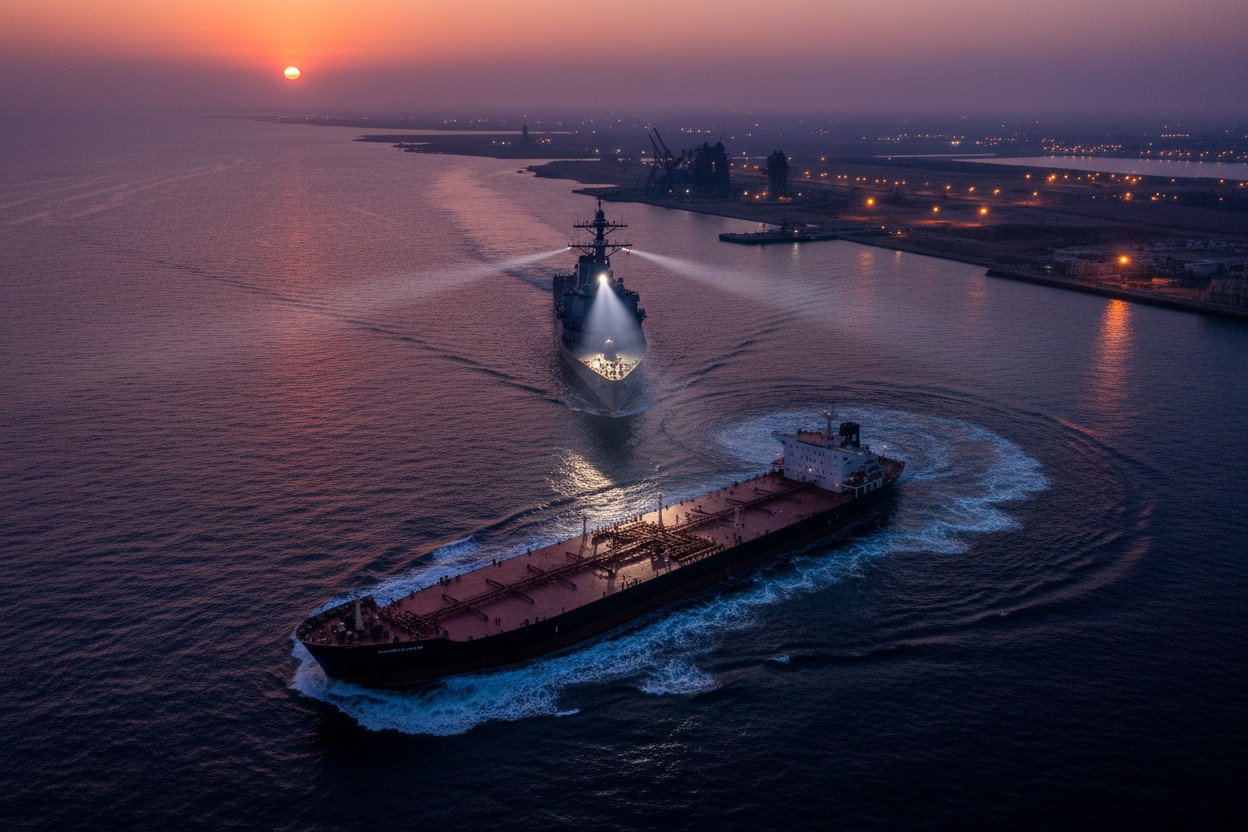
U.S. Announces Hormuz Blockade, Considers Limited Strikes After Iran Talks Fail

A high-stakes gambit: U.S. blockades critical oil chokepoint as Iran talks collapse
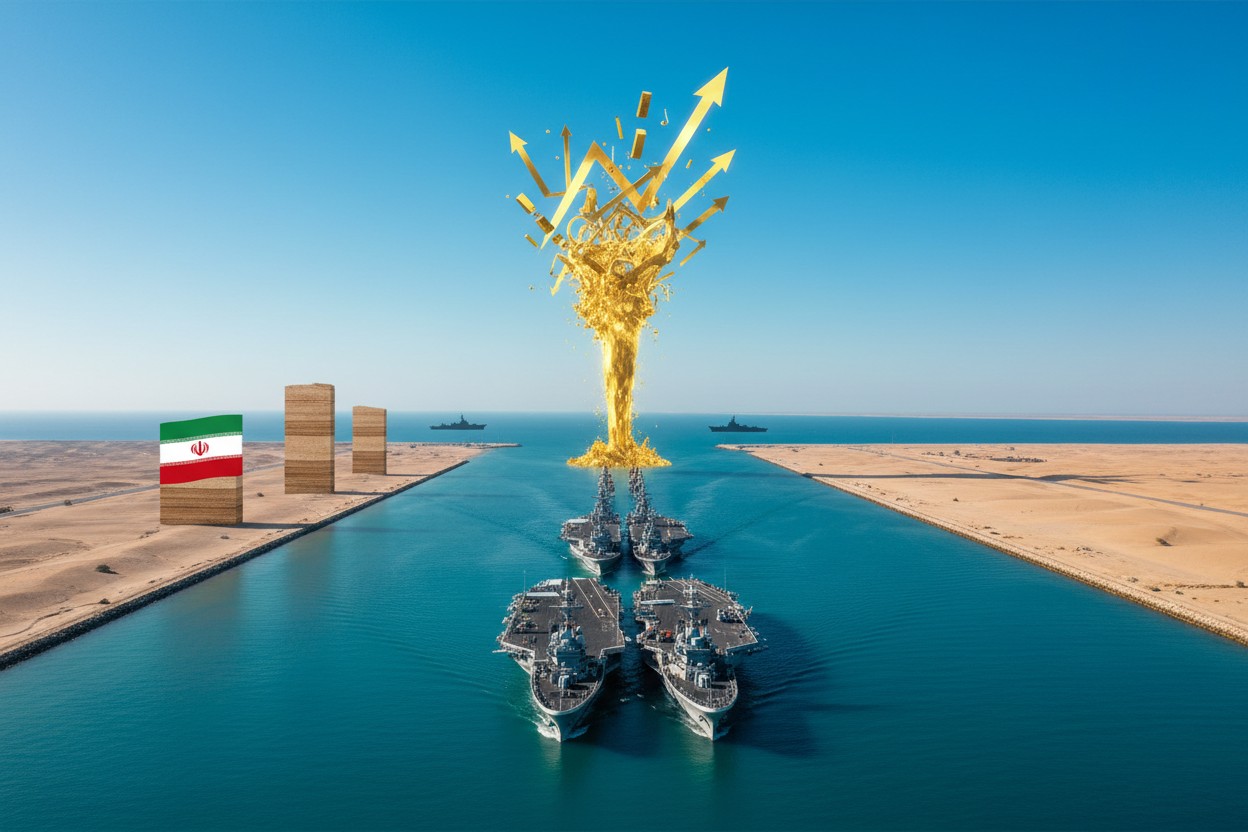
Oil Prices Surge Past $100 After Trump Announces Strait of Hormuz Blockade

Turkey Accuses Israeli PM of War Crimes, Issues Formal Statement Comparing Him to Hitler
Decoding the Matrix: How global elites engineered chaos in the Middle East
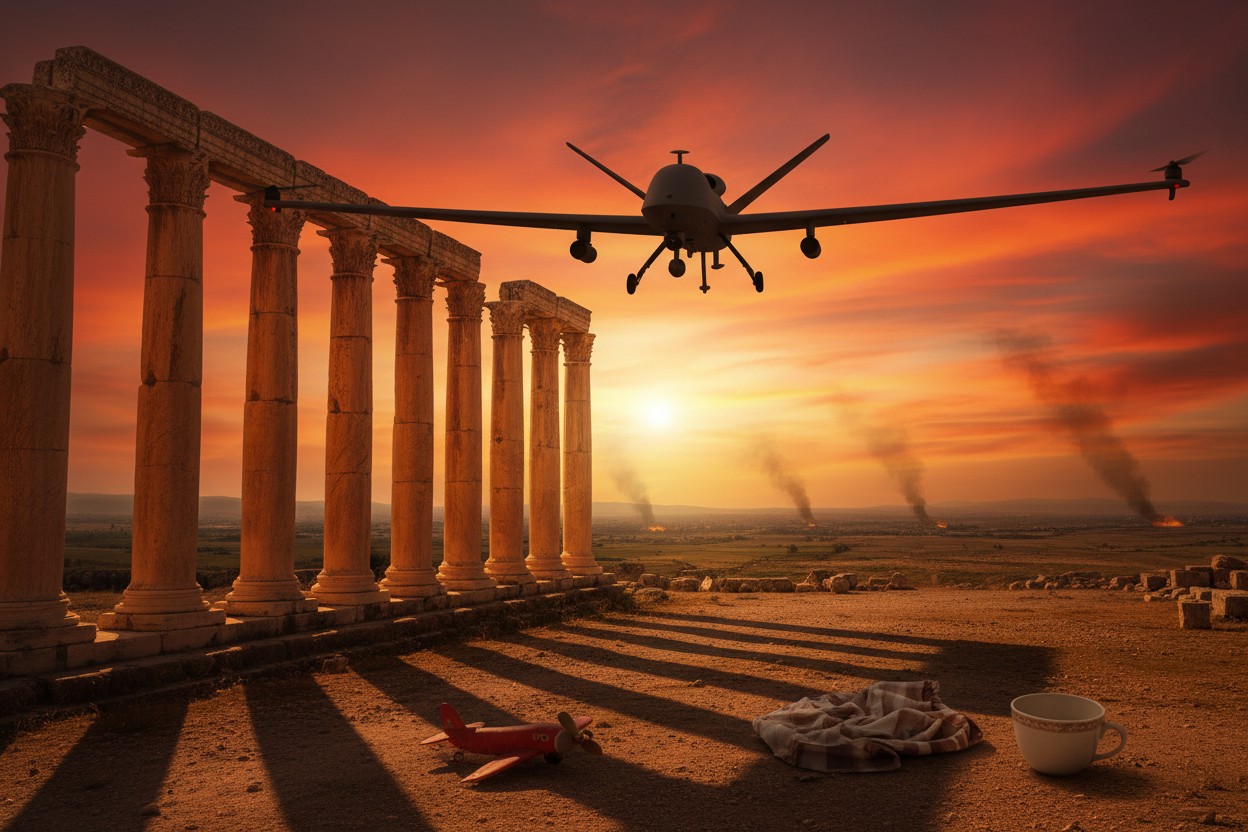
UK Drone Operated Over Southern Lebanon Prior to Civilian Casualty Incident, Report Claims
