© Brighteon.com All Rights Reserved. All content posted on this site is commentary or opinion and is protected under Free Speech. Brighteon is not responsible for comments and content uploaded by our users.

The U.S. Forever War In Syria
The exercise was seen as a sign that the U.S. was not ready to abandon the SDF, already a trusted ally, in favor of the emerging alliance with the Syrian government.
Despite growing threats to its forces, the U.S. will not likely leave Syria anytime soon. This does not mean, however, that Washington will base its presence in the country on its relations with Damascus. Despite all recent progress, Israel and the SDF remain the key partners of the U.S. when it comes to Syria.
As the United States works to establish a strategic alliance with Syria’s new Islamist-led government, the threats facing its forces in the war-torn country appear to be growing.
The threats became clear on December 13 when U.S. troops came under attack in the central city of Palmyra. A gunman opened fire at the troops as they were meeting with representatives of Syrian security forces, killing two soldiers and a translator. Later, it emerged that the gunman was a security personnel who served as the guard of a senior officer.
This was the first attack to target U.S. troops in Syria since the country joined the anti-ISIS coalition led by DC last month.
The attack in Palmyra came a day after coalition aircraft had begun to operate all over Syria. A British MQ-9B Protector combat drone was spotted over the governorate of Homs in central Syria and a U.S. Beech King Air 350i spy plane was spotted over the northern city of Aleppo on Dec 12.
The attack was not surprising, however. Signs of a near insurgency against the Syrian govt & US forces have been around for a while.
Earlier in the month, specifically on Dec 9, a salvo of three rockets targeted Mezzeh Air Base right next to the Syrian capital, Damascus. The U.S. is reported to be planning to deploy troops there.
The latest attacks were clearly a setback for the emerging alliance between the US & Syria. The biggest beneficiary was, of course, Israel.
On Dec 15, U.S. envoy to Syria Tom Barrack and Israeli Prime Minister Benjamin Netanyahu met in Jerusalem. Several understandings on Syria were reportedly reached.
According to the Jerusalem Post, Barrack and Netanyahu agreed during the meeting on Israel’s “freedom of operation” in Syria. Israeli officials also told their U.S. counterparts that Syrian security forces “cannot be relied upon,” citing the deadly attack in Palmyra.
Another beneficiary from the recent attacks was the Kurdish-led Syrian Democratic Forces (SDF). On Dec 17, the U.S.-led coalition held what appears to be one of its largest joint exercises with the group in the eastern governorate of Deir Ezzor.
The exercise was seen as a sign that the U.S. was not ready to abandon the SDF, already a trusted ally, in favor of the emerging alliance with the Syrian govt.
Despite growing threats to its forces, the US will not likely leave Syria anytime soon. This does not mean, however, that DC will base its presence in the country on its relations with Damascus. Despite all recent progress, Israel and the SDF remain the key partners of the U.S. when it comes to Syria.
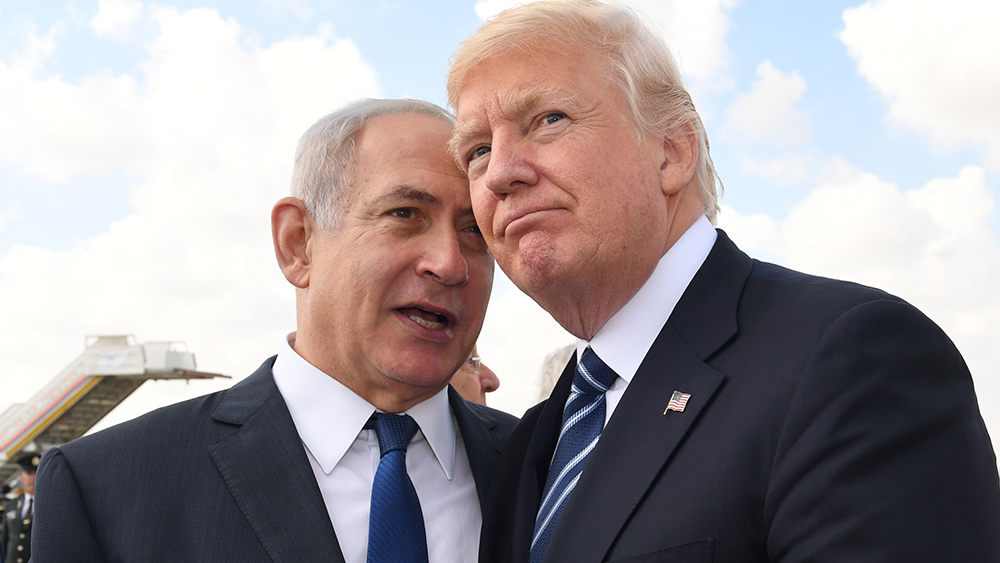
Trump says ending Iran war a “mutual” decision with Netanyahu, demands surrender

Trump announces energy pledge with major tech firms to cover AI power costs
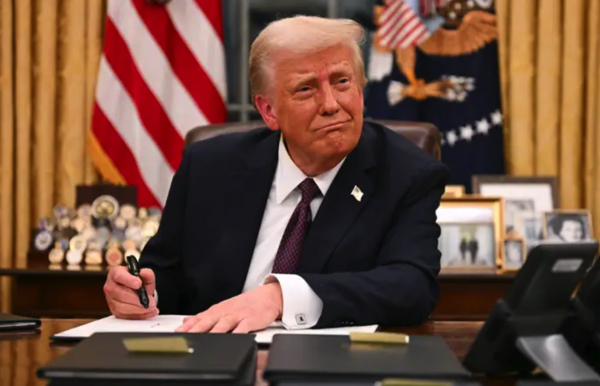
Trump refuses to sign any legislation until Senate passes voter ID bill

Global Sulfur Crisis: The Chemical Achilles Heel of Modern Civilization Has Been Severed

Amazon Prime Video Cuts Nearly 3,000 Employees, Citing Transition to ‘AI-First Development’

The American Republic is Dead. Here’s What I’m Doing to Survive What Comes Next.
