© Brighteon.com All Rights Reserved. All content posted on this site is commentary or opinion and is protected under Free Speech. Brighteon is not responsible for comments and content uploaded by our users.


This channel has partnered with the Brighteon Store and receives a small commission from all sales generated from an affiliate link.
Click the shop now button below to help out this channel.
Thomas Sowell's "Wealth, Poverty and Politics" challenges conventional narratives about economic inequality by examining the multifaceted factors behind wealth and poverty. Rather than attributing disparities to genetics, exploitation, or discrimination alone, Sowell argues that success depends on a combination of prerequisites—geographic, cultural, demographic, and political influences—much like ingredients in a recipe. He highlights historical examples (e.g., Scotland, Japan, and China) to show how acquiring or losing key factors can dramatically alter economic outcomes. Geography influences development (e.g., ancient Greece’s proximity to the Middle East), but isolation (e.g., sub-Saharan Africa’s lack of waterways) can hinder progress. Culture, too, plays a pivotal role—attitudes toward education and work explain the success of certain immigrant groups and former British colonies. However, cultural determinism is rejected; nations can reverse decline through change (e.g., China’s recent rise). Sowell critiques welfare policies for fostering dependency and diminishing human capital, urging evidence-based solutions over ideological assumptions. Ultimately, the book calls for a nuanced understanding of inequality, emphasizing that effective policies must address systemic complexity rather than simplistic causes.
For more videos, visit BrightLearn.ai
Find a copy of this amazing book here.
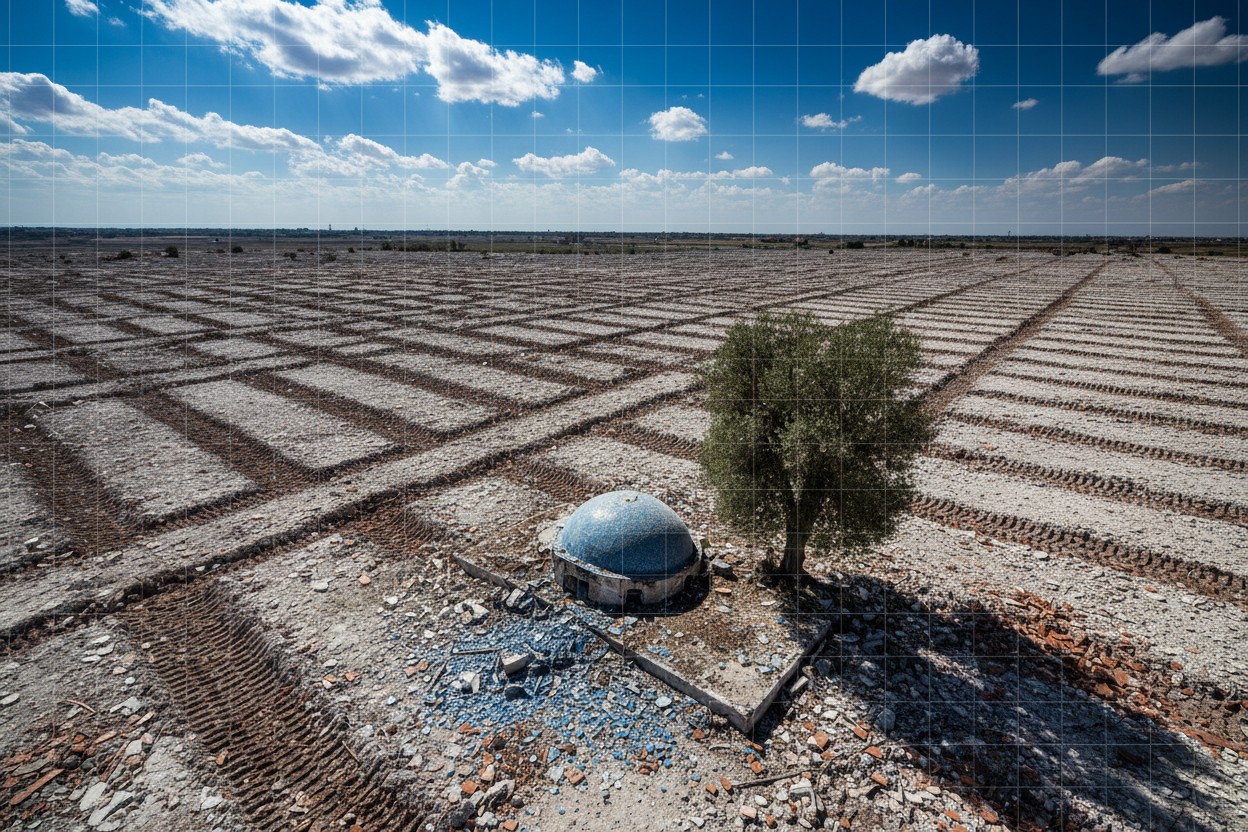
Israeli Bulldozers Flatten Southern Lebanese Villages, Satellite Analysis Shows Over 1,400 Buildings Destroyed

UK COVID Inquiry Finds Mandatory Vaccine Policies Were Politically Driven
The American Empire Will End in Poverty and Despair
The U.S. Navy’s Pirate Flag and Growing Lawless Tyranny on the High Seas
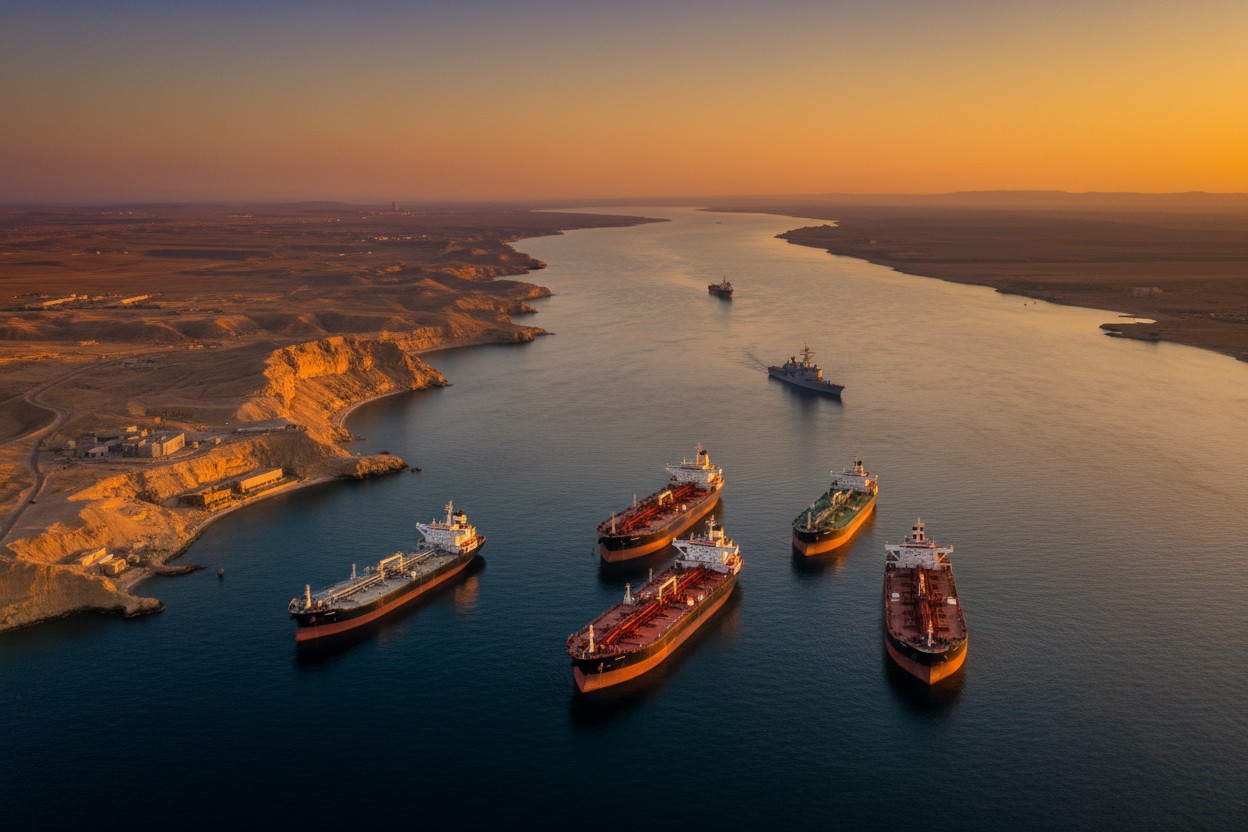
A potential thaw at a critical chokepoint: Iran considers easing Strait of Hormuz restrictions
Xi Jinping and Pedro Sanchez strengthen Sino-Spanish ties amid global instability
