© Brighteon.com All Rights Reserved. All content posted on this site is commentary or opinion and is protected under Free Speech. Brighteon is not responsible for comments and content uploaded by our users.

This channel has partnered with the Brighteon Store and receives a small commission from all sales generated from an affiliate link.
Click the shop now button below to help out this channel.
:::::::::::::Nuclear Magnetic Resonance (NMR) spectroscopy is a powerful analytical technique used to determine the structure, dynamics, and environment of molecules, particularly in organic chemistry. In NMR, nuclei of certain isotopes (such as hydrogen-1 or carbon-13) are exposed to a strong magnetic field and radiofrequency radiation, which causes them to resonate at specific frequencies. The resulting NMR spectrum provides detailed information on the number, type, and arrangement of atoms within a molecule. NMR is invaluable for identifying molecular structures, studying chemical bonding, and investigating molecular dynamics in solutions and solids.
Infrared (IR) spectroscopy is an analytical technique used to identify and study chemical substances based on the absorption of infrared light. In IR spectroscopy, a sample is exposed to infrared radiation, which causes molecular vibrations, such as stretching and bending of chemical bonds. Different functional groups within a molecule absorb specific wavelengths of infrared light, resulting in a unique spectrum that acts as a "fingerprint" for the compound. This technique is commonly used for identifying functional groups, analyzing molecular structures, and determining sample purity.

Why eating peanut butter before bed might be a smart (and tasty) health move
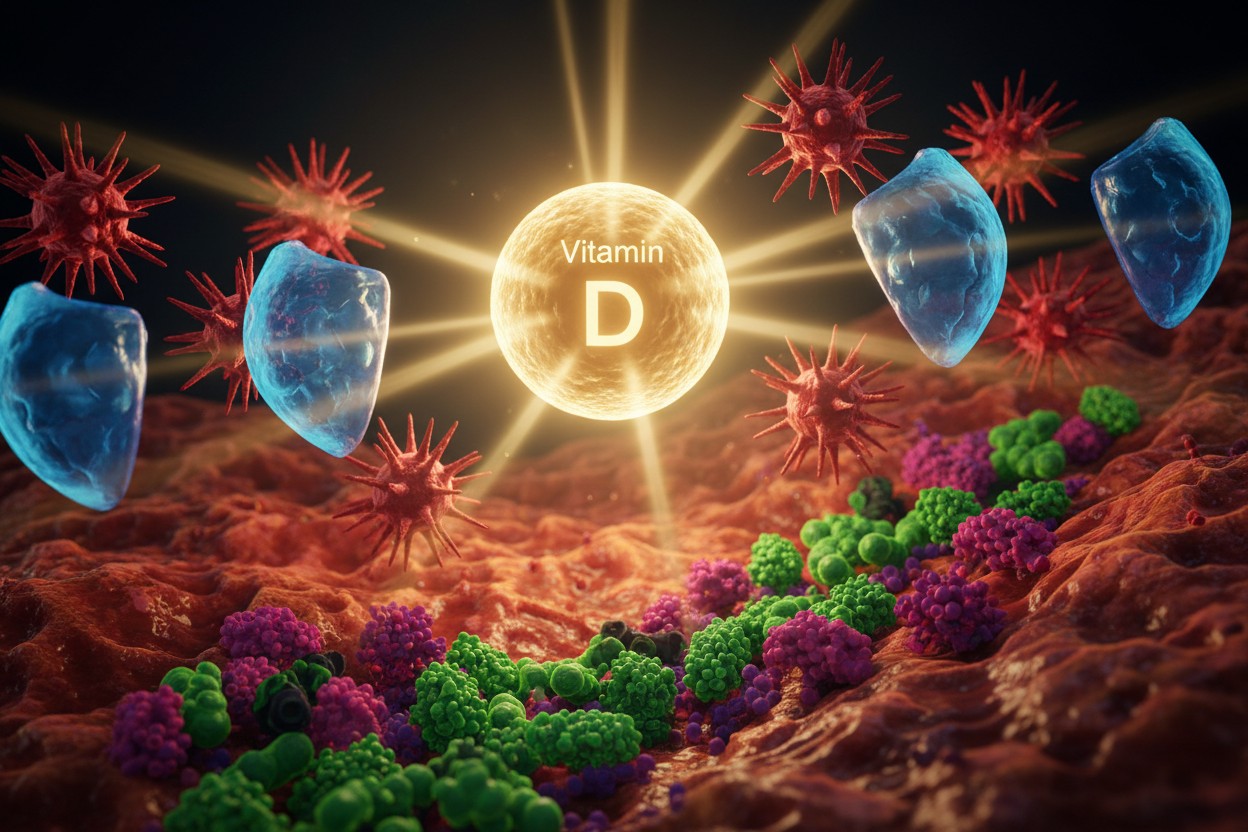
Mayo Clinic-Led Study Maps Mechanism for Vitamin D’s Effect on IBD Symptoms
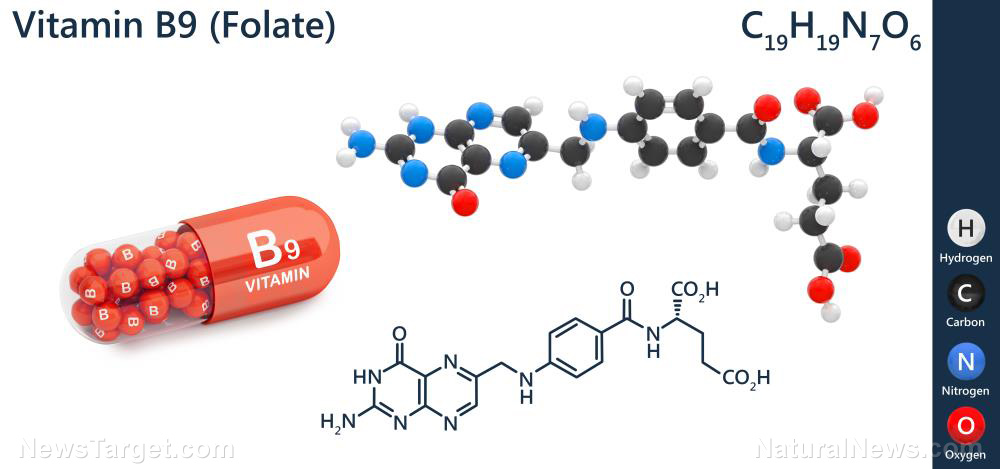
The hidden link between FOLATE levels and DEPRESSION in women: A critical balance
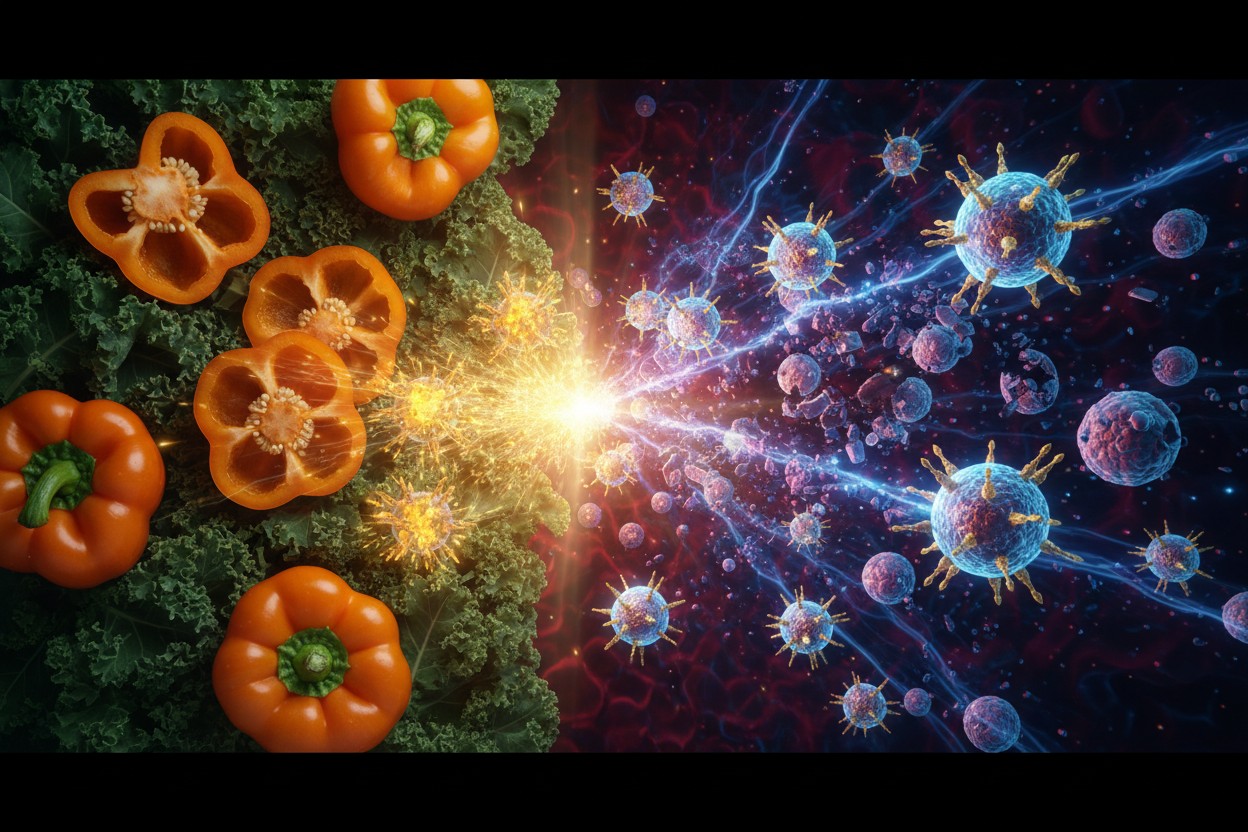
Study: Eye Health Nutrient Zeaxanthin Shows Potential to Enhance Cancer Immunotherapy

New Island Discovered in Antarctic Weddell Sea During Polarstern Expedition
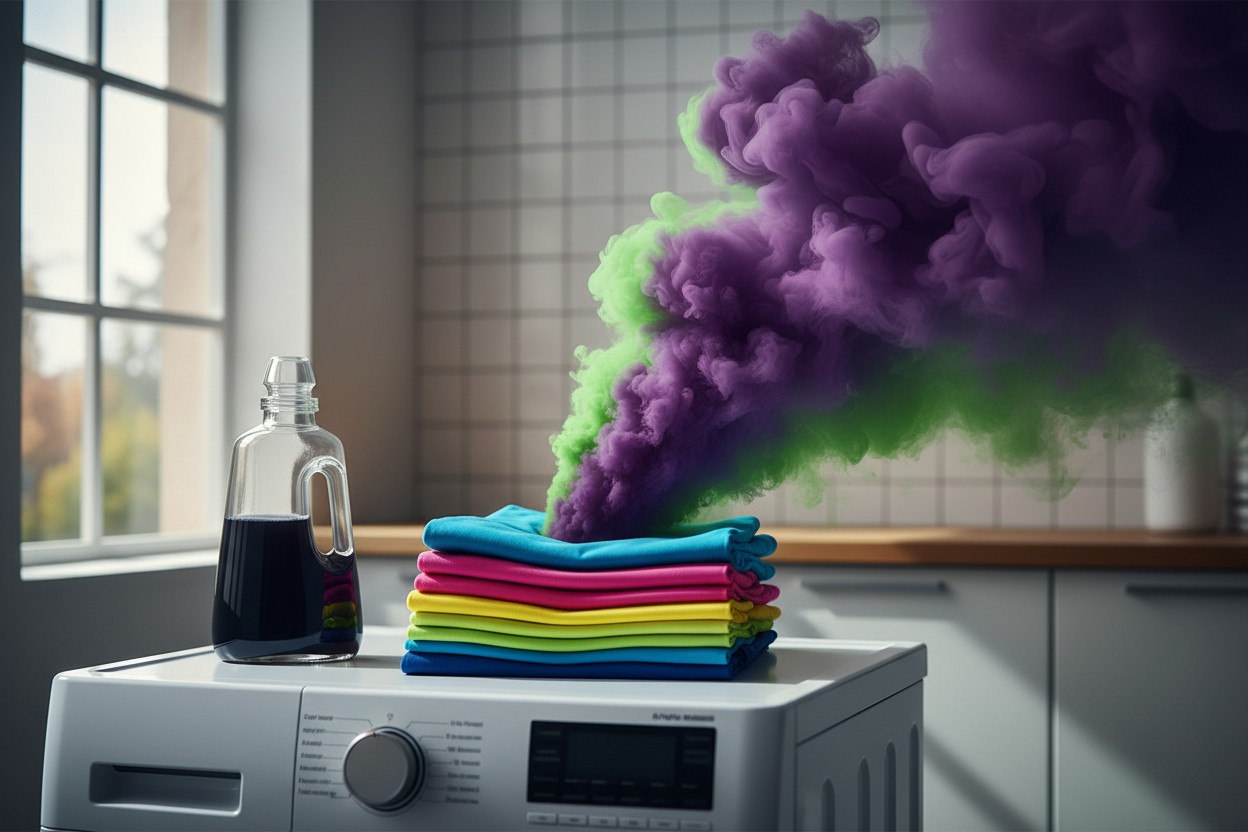
Don’t Panic About Lululemon’s ‘Toxic’ Clothes – The Real Danger Is What You Wash Them In
