© Brighteon.com All Rights Reserved. All content posted on this site is commentary or opinion and is protected under Free Speech. Brighteon is not responsible for comments and content uploaded by our users.

Kill All The Birds With One Stone: Why Kiev And Brussels May Target TurkStream
Russian President Vladimir Putin says Russian security services have prevented an attempted sabotage of the TurkStream gas pipeline. According to Moscow, the plan was not just to damage infrastructure, but to derail diplomatic efforts and destabilize energy security across the entire region. In other words, the target was both economic and political.
Two key routes across the Black Sea are now considered vulnerable — TurkStream and Blue Stream. These are not just engineering projects. They are strategic arteries linking Russia, Turkey, and Southern Europe. Blue Stream, launched in 2003, delivers up to 16 billion cubic meters of gas annually to Turkey. TurkStream, operating since 2020, carries almost twice that volume.
For countries such as Bulgaria, Serbia, Hungary, and Greece, these flows are critical. Homes depend on them for heating. Industries depend on them for production. Power plants depend on them to keep cities running.
If sabotage succeeds, the consequences would be immediate. Gas prices would spike. Inflation would accelerate. Energy shortages could follow. The Balkans would be hit hardest. At the same time, expensive liquefied natural gas suppliers would benefit from the chaos.
Speaking at a security meeting, Putin warned that Moscow has intelligence about planned underwater attacks. Protecting the lines is extremely difficult. They stretch for more than 900 kilometers along the seabed. Even a small explosive charge, placed precisely, could rupture a pipe.
Experts describe a simple scenario. A civilian cargo ship could carry explosives or deploy an underwater drone. Heavy maritime traffic and busy ports make inspections complicated. Turkey has tightened monitoring, but finding hidden devices on large vessels remains a serious challenge.
Beyond the technical risks lies a political calculation. Moscow argues that Kiev could benefit from disrupting Russian energy exports and sabotaging negotiations.
Turkey also has much to lose. President Recep Tayyip Erdogan is positioning Ankara as a regional energy hub and mediator. An explosion in Turkish waters would damage that image, frighten investors, and weaken the economy.
In this tangled web of motives, Kiev’s interests may align with those of London and Brussels. For them, sabotaging TurkStream offers a way to kill all the birds with one stone: derail unpopular peace talks, strike at Trump’s reputation as a peacemaker, and punish Erdogan for his independent foreign policy—thereby hitting Turkey hard.
TurkStream today is more than a pipeline. It is a lifeline for millions and a symbol of regional stability. If it is hit, the shock will spread far beyond the seabed — into markets, homes, and politics across Europe. Only time will tell whether Ukraine is prepared to take such a step. If so, Kyiv will gain many adversaries in the Black Sea region.
https://southfront.press/why-kiev-and-brussels-may-target-turkstream/
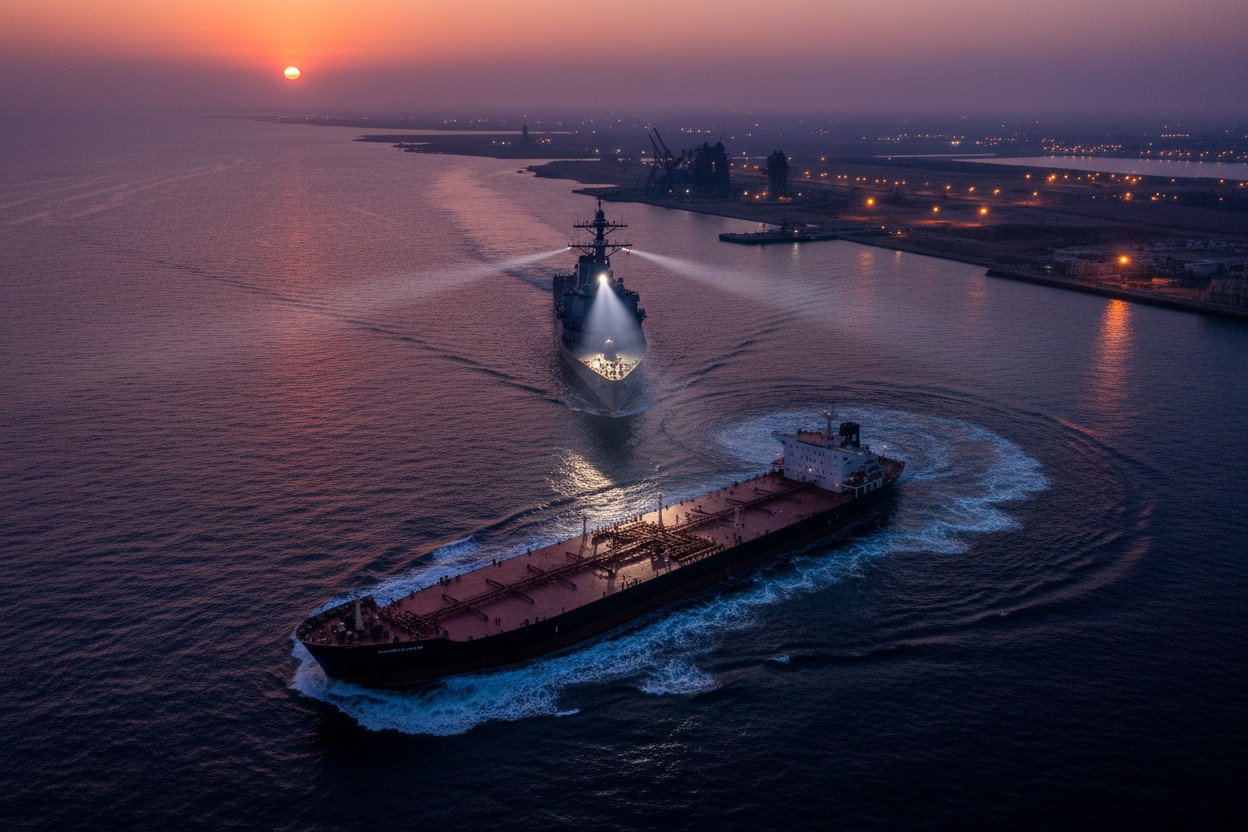
U.S. Announces Hormuz Blockade, Considers Limited Strikes After Iran Talks Fail

A high-stakes gambit: U.S. blockades critical oil chokepoint as Iran talks collapse
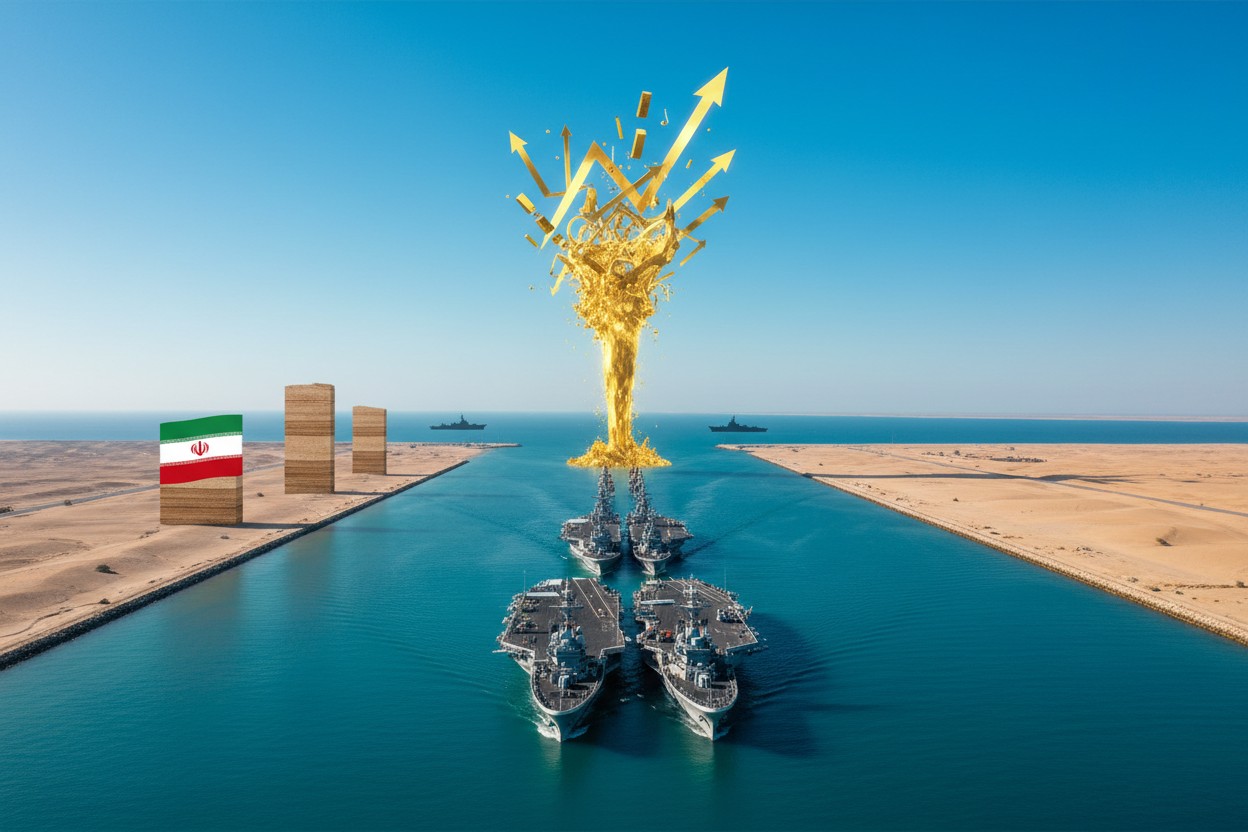
Oil Prices Surge Past $100 After Trump Announces Strait of Hormuz Blockade
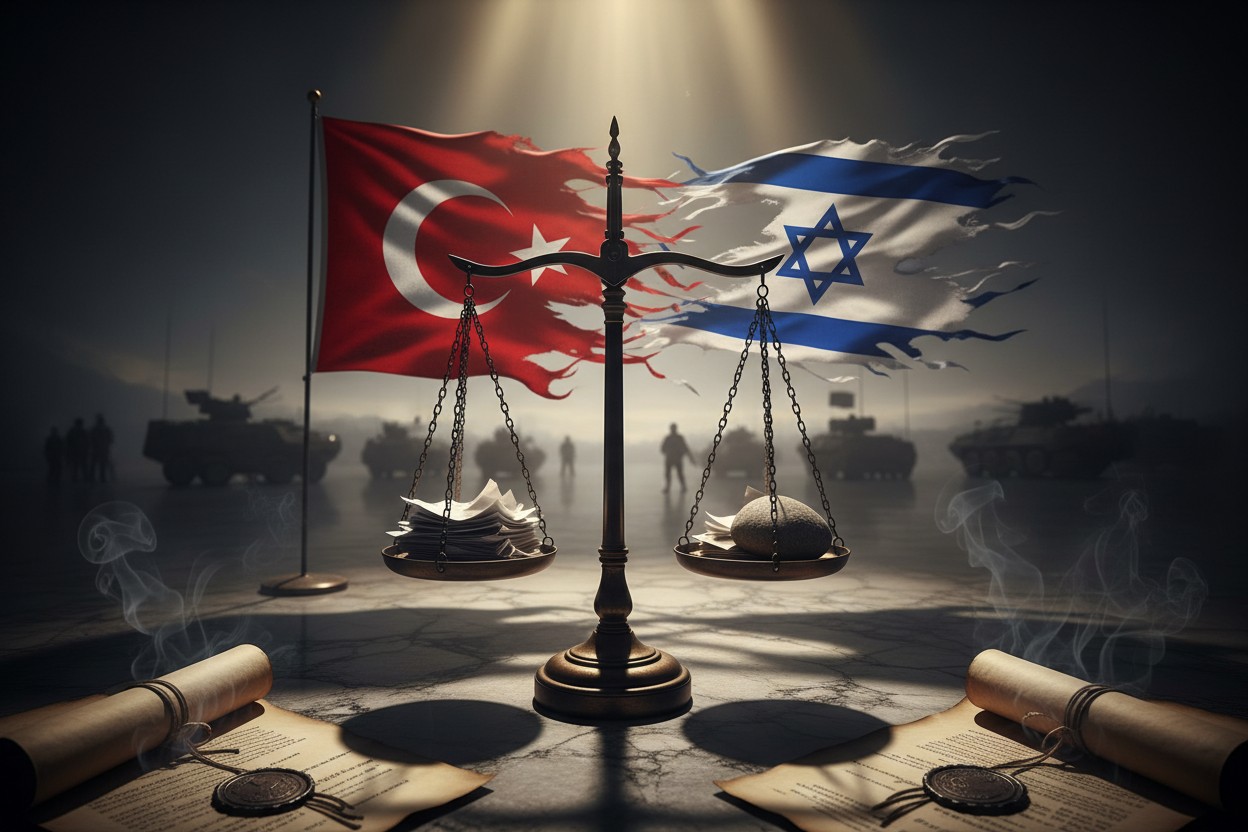
Turkey Accuses Israeli PM of War Crimes, Issues Formal Statement Comparing Him to Hitler

Decoding the Matrix: How global elites engineered chaos in the Middle East
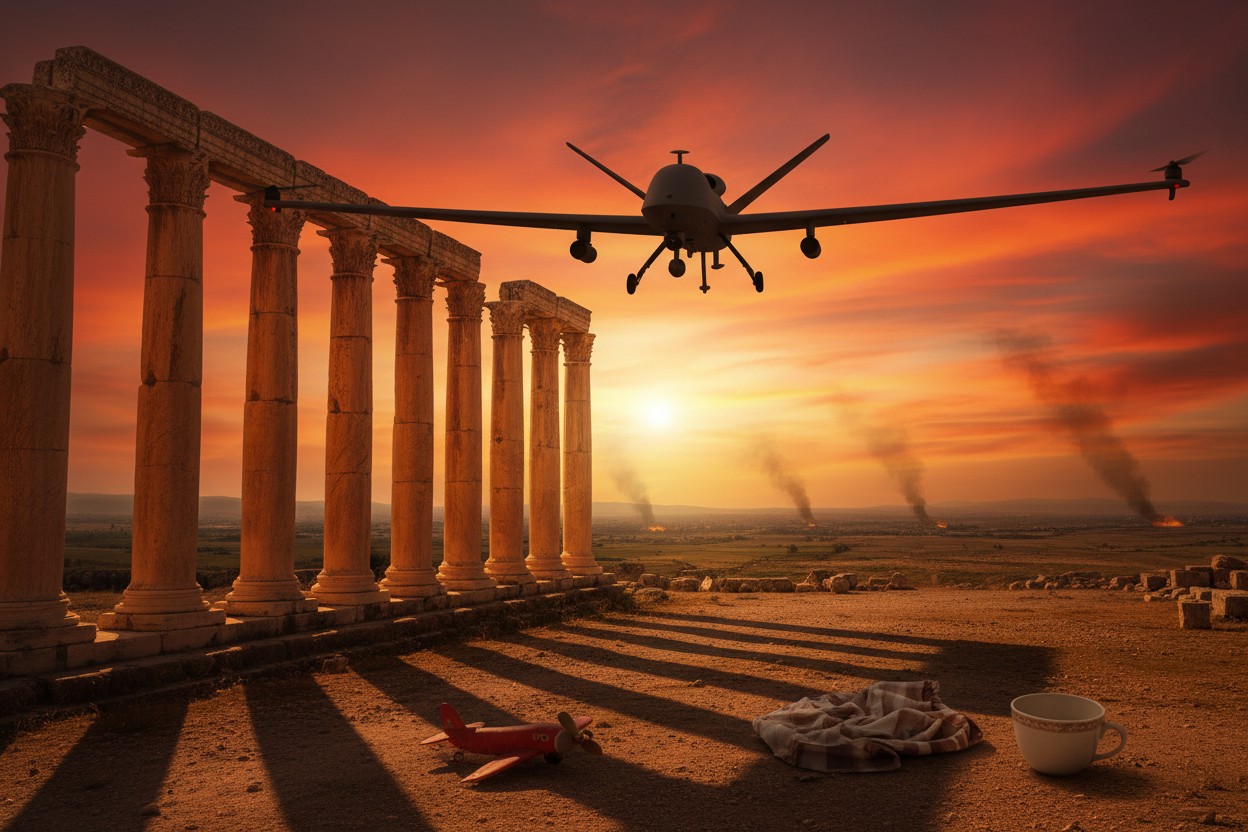
UK Drone Operated Over Southern Lebanon Prior to Civilian Casualty Incident, Report Claims
