© Brighteon.com All Rights Reserved. All content posted on this site is commentary or opinion and is protected under Free Speech. Brighteon is not responsible for comments and content uploaded by our users.


This channel has partnered with the Brighteon Store and receives a small commission from all sales generated from an affiliate link.
Click the shop now button below to help out this channel.
In "Eat to Beat Cancer," J. Robert Hatherill reveals that dietary choices can prevent up to 90% of cancers, emphasizing whole, plant-based foods rich in vitamins (A, C, selenium), fiber, and antioxidants while avoiding processed foods, excess sugar, dairy, red meat, and inflammatory oils (omega-6). Key strategies include consuming raw or lightly cooked vegetables (e.g., cruciferous, onion, and umbelliferous groups), reducing animal protein, and eliminating immune-suppressing foods like refined sugars and white flour. The book highlights the Super Eight Food Groups—onions, cruciferous vegetables, nuts/seeds, grasses (grains), legumes, fruits, solanaceous (tomatoes), and umbelliferous (carrots)—as cancer-fighting powerhouses. Lifestyle factors like exercise, stress management, and avoiding tobacco/alcohol complement dietary changes. Modern diets, laden with processed foods and toxins, have weakened immunity, making cancer prevalent. Prevention through nutrient-dense eating, proper cooking methods (steaming, avoiding charring), and targeted supplementation (vitamins C, D, omega-3s) can halt or reverse cancer progression by restoring cellular health and oxygenating the body. The book advocates chemoprevention—actively consuming anticancer compounds—as the most effective way to combat cancer, stressing that dietary intervention during cancer’s long development window (10–20 years) is crucial lasting lasting health.
For more videos, visit BrightLearn.ai
Find a copy of this amazing book here.
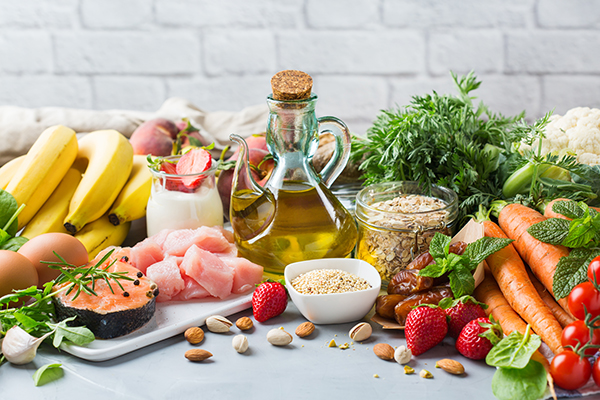
It’s not just about vitamins: Healthy foods should focus on fiber, minerals, antioxidants, amino acids and various phytonutrients

Kennedy Announces Nutrition Education Initiative for Medical Schools
Peppermint vs. Ginger: Unlocking Nature’s Pharmacy for True Nausea Relief
The new addiction: How ultra-processed foods are engineered to hook a nation

The 5-Minute Circadian Reset: A Simple, Free Habit to Reclaim Your Energy

Beyond the prepping basics: Safeguarding your sanity when disaster strikes
