© Brighteon.com All Rights Reserved. All content posted on this site is commentary or opinion and is protected under Free Speech. Brighteon is not responsible for comments and content uploaded by our users.

Please Subscribe to my Rumble Channel
https://rumble.com/c/c-5423336
Kary Banks Mullis (December 28, 1944 – August 7, 2019) was an American biochemist. In recognition of his role in the invention of the polymerase chain reaction (PCR) technique, he shared the 1993 Nobel Prize in Chemistry with Michael Smith and was awarded the Japan Prize in the same year. PCR became a central technique in biochemistry and molecular biology, described by The New York Times as "highly original and significant, virtually dividing biology into the two epochs of before PCR and after PCR. Mullis attracted controversy for denying humans' role in climate change and for expressing doubts that HIV causes AIDS.
Mullis was born in Lenoir, North Carolina, near the Blue Ridge Mountains, on December 28, 1944. His family had a background in farming in this rural area. As a child, Mullis said, he was interested in observing organisms in the countryside. He grew up in Columbia, South Carolina, where he attended Dreher High School, graduating in the class of 1962. He recalled his interest in chemistry beginning when he learned how to chemically synthesize and build solid fuel propulsion rockets as a high school student during the 1950s.
He earned a Bachelor of Science in chemistry from the Georgia Institute of Technology in Atlanta in 1966, during which time he married his first wife and started a business. He earned his Ph.D. in 1973 in biochemistry at the University of California, Berkeley (UC Berkeley), in J. B. Neilands' laboratory, which focused on synthesis and structure of bacterial iron transporter molecules. Although he published a sole-author paper in Nature in the field of astrophysics in 1968 he struggled to pass his oral exams (with a colleague recalling that "He didn’t get his propositions right. He didn’t know general biochemistry"), and his dissertation was only accepted after several friends pitched in to "cut all the whacko stuff out of it" while his advisor lobbied the committee to reconsider its initial decision. Mullis himself believed that it was the Nature article that greased the wheels with the committee.
His doctoral dissertation was on the structure of the bacterial siderophore schizokinen J.B. Neilands was known for his groundbreaking work on siderophores, and Mullis was a part of that with his characterization of schizokinen. Following his graduation, Mullis completed postdoctoral fellowships in pediatric cardiology at the University of Kansas Medical Center (1973-1977) and pharmaceutical chemistry at the University of California, San Francisco (1977-1979).

Dietary defense: How three common foods fight wrinkles and dark spots from within
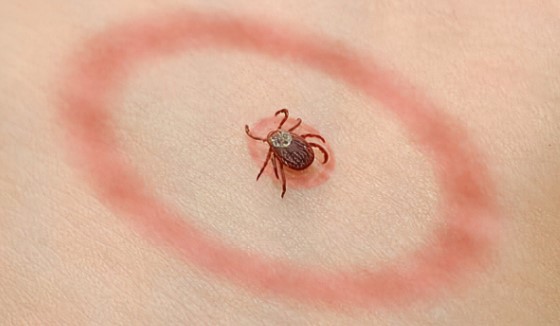
Declassified evidence links U.S. bioweapons program to Lyme disease epidemic
Nutrition Experts Highlight Lettuce’s Place in Natural Health Diets, Citing Low-Cost Production and Essential Nutrients
Gut health boost: 9 Prebiotic-rich snacks to nourish your microbiome

The Chemical Castration of a Generation: Millennial Men Face a Testosterone Collapse
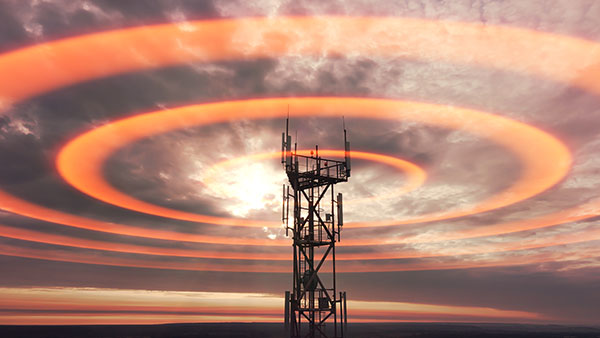
Study suggests cell towers are causing widespread immune system suppression, priming populations for sickness
