© Brighteon.com All Rights Reserved. All content posted on this site is commentary or opinion and is protected under Free Speech. Brighteon is not responsible for comments and content uploaded by our users.


This channel has partnered with the Brighteon Store and receives a small commission from all sales generated from an affiliate link.
Click the shop now button below to help out this channel.
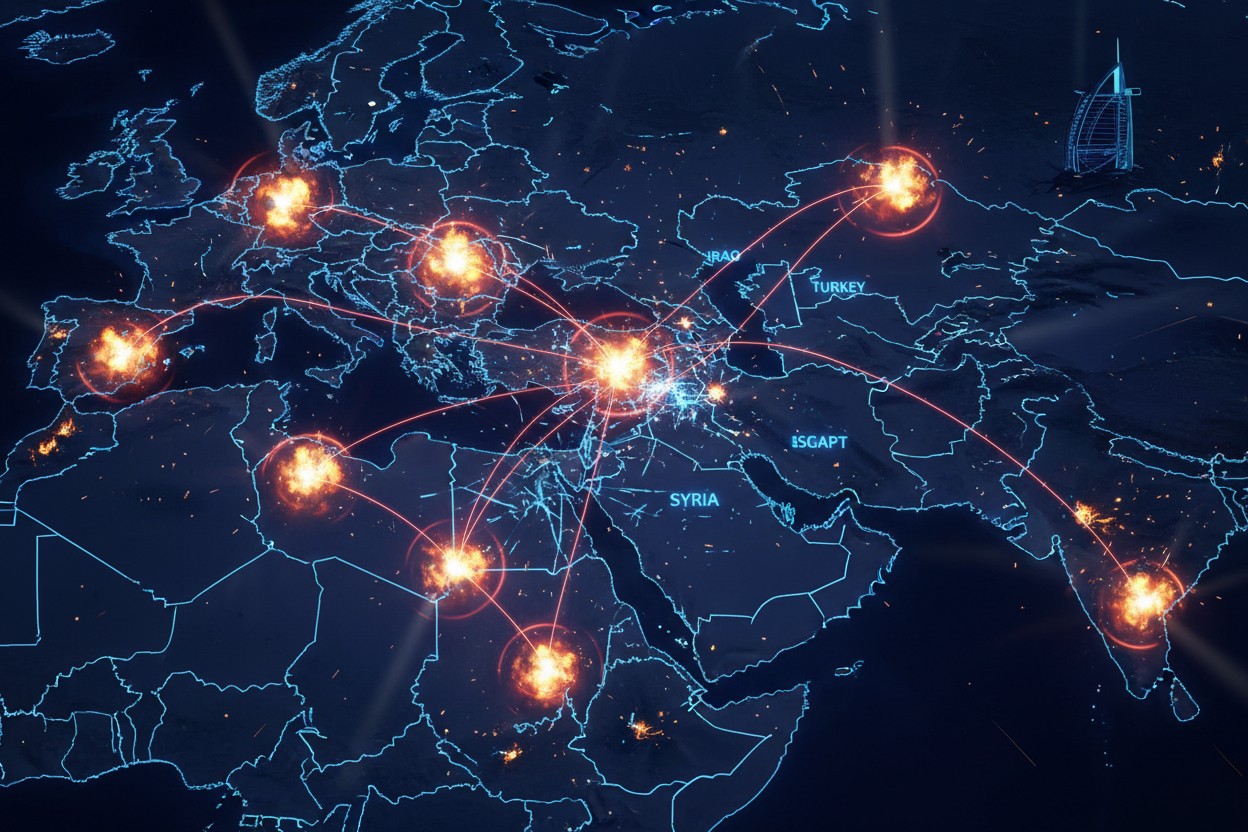
The deadly explosions inside Iran have landed at the worst possible moment—right as U.S. threats are intensifying, Iran is signaling readiness around the Strait of Hormuz, and the China-Russia-Iran military coordination is becoming more visible. Even if officials frame these blasts as domestic incidents, the strategic impact is bigger than the cause: in a high-tension environment, every shockwave turns into instant rumor, instant fear, and instant pressure to “respond,” and that’s exactly how crises accelerate—through stacked moments that narrow everyone’s room to step back.
When you connect this to the joint drills, the picture is simple: the drills project alignment and deterrence, while the explosions inject uncertainty and volatility into Iran’s internal atmosphere, making any next maritime incident, missile test, or regional confrontation far easier to spin as justified escalation.
Explosions just rocked Iran—and the timing couldn’t be more dangerous. With U.S. threats rising and China and Russia moving closer to Iran through joint military activity, this could be the moment the entire standoff tilts into a chain reaction. In this quick update, I connect the blasts, the drills, and the next escalation risks around Hormuz—plus what could happen if one more incident hits the wrong nerve. Subscribe now so you don’t miss the next update.
Mirrored - OPTM
------------
To survive what is coming, read/study: https://thewayhomeorfacethefire.net
The Gibraltar Messenger : https://gibraltar-messenger.net/
Christ is KING!

The DEI Deception: Meritocracy under siege

Saudi Arabia Announces Unilateral Cuts to Oil Production
U.S. preparing most intense strikes yet in campaign targeting Iran, Hegseth says

Idaho moves to upend national same-sex marriage precedent
Erika Kirk, widow of slain activist Charlie Kirk, appointed to U.S. Air Force Academy advisory board

New York bill proposes age checks for internet-enabled devices
