© Brighteon.com All Rights Reserved. All content posted on this site is commentary or opinion and is protected under Free Speech. Brighteon is not responsible for comments and content uploaded by our users.

"Effective immediately, all national security tariffs under Section 232 and all existing Section 301 tariffs remain fully in place and in full force and effect.
Today, I will sign an order to impose a 10% global tariff under Section 122, over and above our normal tariffs already being charged." - Trump
"Effective immediately, all national security tariffs under Section 232 and all existing Section 301 tariffs remain fully in place and in full force and effect.
Today, I will sign an order to impose a 10% global tariff under Section 122, over and above our normal tariffs already being charged." - Trump
Adding, more info about this tariff stuff that happened today:
Supreme Court Blocks Trump’s Emergency Tariffs
The Supreme Court ruled Friday that Donald Trump overstepped his authority by imposing broad “emergency” tariffs under the 1977 IEEPA law.
In a 6–3 decision, the justices struck down his country-by-country “reciprocal” tariffs and the 25% duties tied to fentanyl-related claims against Canada, China, and Mexico.
Other tariffs, including those on steel and aluminum, remain in place. Trump may attempt to restore the measures under different legal powers.
The Supreme Court ruling opens the door to potential refunds totaling hundreds of billions of dollars for U.S. importers.
Estimates reach as high as $175 billion, though not all tariffs — such as those on steel and aluminum imposed under separate laws — are affected.
The EU offered a cautious response, saying it is reviewing the Supreme Court ruling and staying in contact with the U.S. administration to understand what steps Washington will take next.
The White House says it will try to replace the IEEPA tariffs with other duties under clearer legal authority, though those typically require formal investigations and apply only to limited sectors.
Trump had used the “emergency” tariffs broadly as leverage against countries that challenged U.S. interests. Losing that power weakens a key tool of pressure and retaliation.
Adding: Howard Lutnick’s sons, Brandon and Kyle — now running Cantor Fitzgerald after Lutnick became Commerce Secretary — have been buying up rights to potential Trump-era tariff refunds from U.S. importers at steep discounts, reportedly around 20–30 cents on the dollar.
Cantor structured the deals as litigation finance: companies get immediate cash, while Cantor takes the upside if courts force Washington to return the tariffs.
The Supreme Court today ruled that key Trump tariffs imposed under emergency powers were not legally authorized, opening the door to large-scale refund claims. Estimates of potential exposure range into the hundreds of billions of dollars, though no final payout figure has been set and the refund process is still unfolding.
If substantial refunds are approved, firms that accumulated these claims cheaply could see MASSIVE returns.
War Secretary Hegseth Compares Press to Pharisees Over Iran War Coverage
The Sun Cannot Be Taxed: Why Energy Freedom Is the Ultimate Form of Personal Liberty

IEA Chief Warns Persian Gulf Energy Recovery Could Take Up to Two Years

Pope Leo and Trump Exchange Accusations Over Wars, Religious Imagery
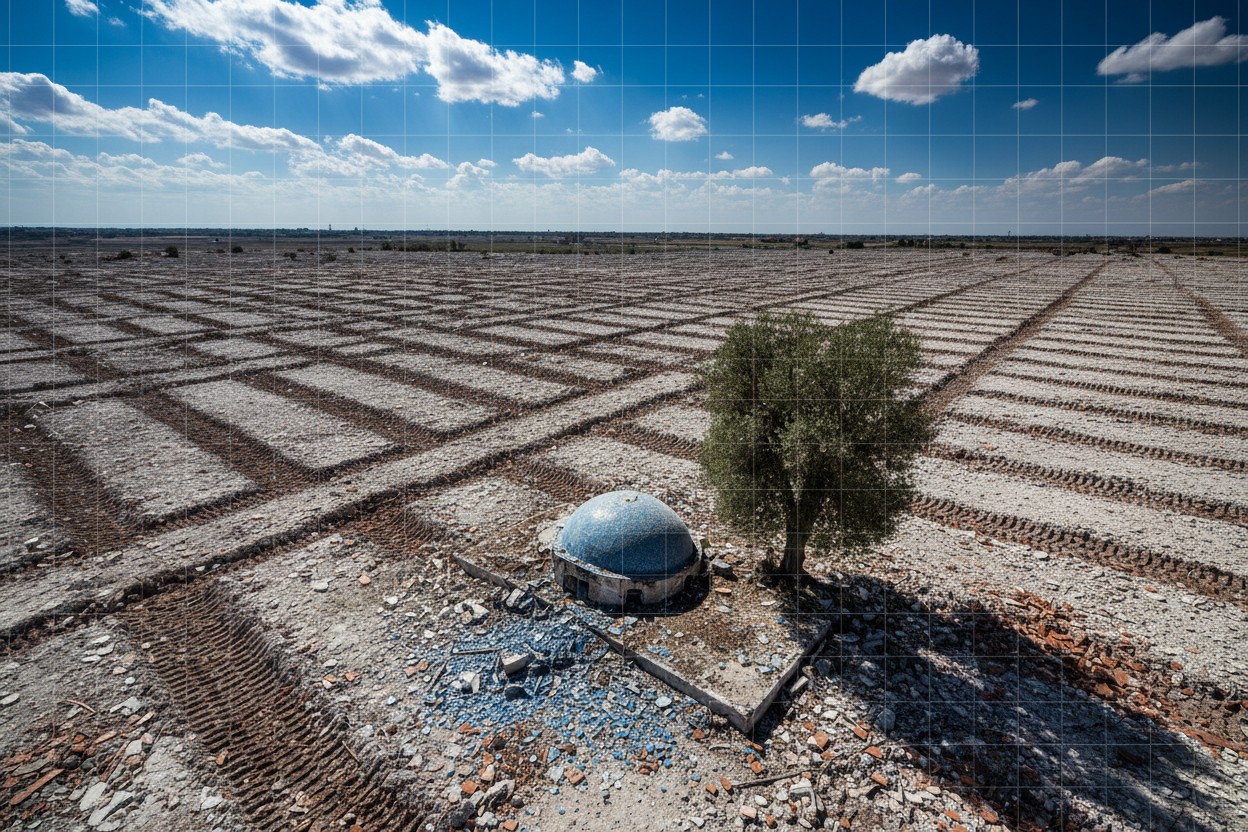
Israeli Bulldozers Flatten Southern Lebanese Villages, Satellite Analysis Shows Over 1,400 Buildings Destroyed

UK COVID Inquiry Finds Mandatory Vaccine Policies Were Politically Driven
