© Brighteon.com All Rights Reserved. All content posted on this site is commentary or opinion and is protected under Free Speech. Brighteon is not responsible for comments and content uploaded by our users.


This channel has partnered with the Brighteon Store and receives a small commission from all sales generated from an affiliate link.
Click the shop now button below to help out this channel.
European countries are joining the negotiation process on the conflict in Ukraine. On April 17, Paris hosted a series of high-level meetings involving the U.S., EU leaders, the UK, and a Ukrainian delegation. Key discussions included ceasefire monitoring mechanisms, the potential deployment of a multinational peacekeeping force, and future security arrangements.
The Élysée Palace described the talks as “productive and constructive,” with French President Emmanuel Macron pledging to “double efforts” to achieve peace. The United States, in turn, presented proposals to the negotiators called “contours of lasting peace.” The State Department said that these proposals were received with enthusiasm and contribute to building trust between the parties.
Ukrainian officials, including the Head of the Presidential Office and Defense Minister, held separate talks with the U.S. and the so-called “coalition of the willing”. Amid negotiations, Trump announced the upcoming U.S.-Ukraine agreement granting American firms priority access to Ukraine’s lithium, titanium, and other critical mineral deposits.
On the same day, Secretary of State Marco Rubio and Russian Foreign Minister Sergey Lavrov had a phone conversation. The Russian side has expressed its readiness to continue contacts with the United States, but insists on the need to eliminate the root causes of the crisis.
Trump said that he expects Russia’s response to the ceasefire proposals in Ukraine in the coming week. Actually, Witkoff’s recent visit to Russia was dedicated to this issue.
Meanwhile, Moscow’s UN envoy, Vasily Nebenzia, dismissed immediate ceasefire prospects, citing Kyiv’s violations of past agreements, including a short-lived moratorium on strikes against energy infrastructure.
Today marks the final day of a moratorium on strikes against Ukrainian energy infrastructure, which was announced on March 18. Over the past month, Moscow has largely refrained from such attacks, despite Kyiv completely ignoring the agreement and launching daily strikes on Russian infrastructure, including the strategic international facilities of the Druzhba pipeline or Caspian Pipeline Consortium. With the moratorium set to expire, if no extension is announced, strikes on Ukraine’s power grid and energy facilities could resume as early as this night. Resumption of massive energy strikes could strain Trump’s efforts for de-escalation.
Amid the ongoing negotiation process, Kyiv is fueling hysteria on the US position. After a series of scandals, Zelensky does not stop and accuses Witkoff of adopting “Russian narratives.”
While diplomatic channels show tentative progress, the frontline situation remains tense. Russia’s military gains and Ukraine’s dwindling manpower underscore the urgency of negotiations, though mutual distrust and conflicting demands persist. The Russian army makes it clear, Russia is looking for peace but not at any cost.
DEAR FRIENDS. IF YOU LIKE THIS TYPE OF CONTENT, SUPPORT SOUTHFRONT WORK :
BTC: bc1qgu58lfszcpqu6fd8l98m378wgzugyg9y93lcym
BITCOINCASH: qr28d80s5juzv2793k5jrq59xrl5fxd8qg9h3zlkk2
MONERO (XMR): 86yfEHs6pkoDEKCxc6MAnQX8cVHmzhYxMVrNuwKgNmqpWK8dDxjgGnK8PtUNJMACbn6xEGxmRauNTHJhUJpg9Mwz8htBBND
paypal, western union etc: write to [email protected] , [email protected]
Mirrored - South Front
To survive what is coming, read/study: https://thewayhomeorfacethefire.net
The Gibraltar Messenger : https://gibraltar-messenger.net/

Pentagon Confirms 150+ U.S. Casualties as Global Energy Markets Brace for Collapse
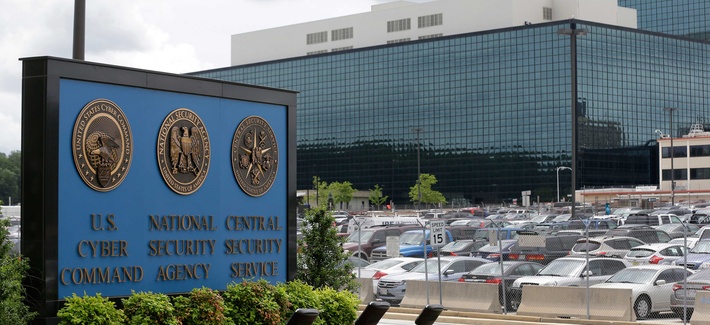
Senate Confirms General Joshua Rudd as Director of NSA and Cyber Command

DHS Funding Lapse Prompts Earlier Airport Arrival Recommendations Amid Reported Delays
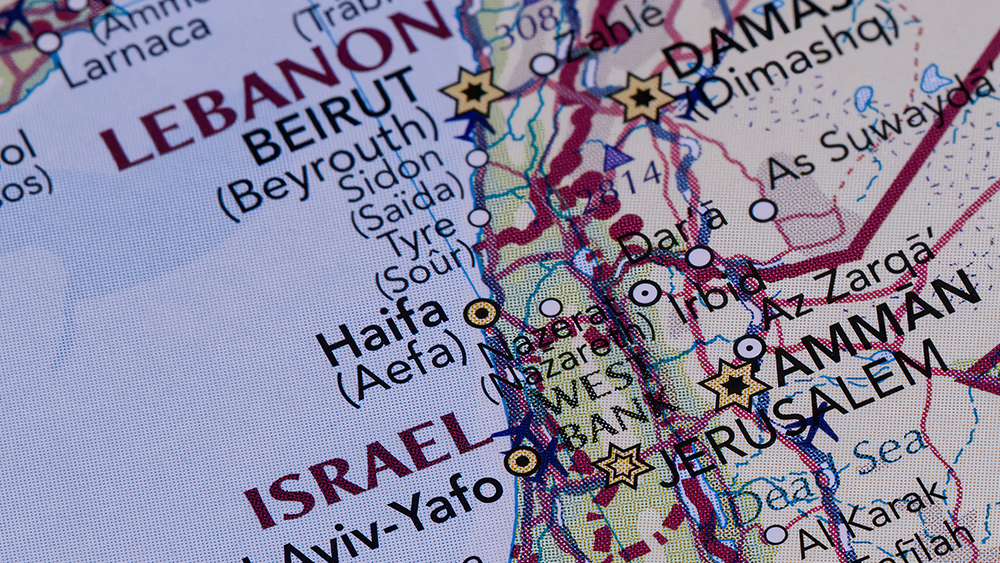
EU pledges $115 million in humanitarian aid to Lebanon amid escalating regional conflict
Iran threatens to ELIMINATE Trump as tensions escalate over Strait of Hormuz

The Famine Years: How Trump’s Unnecessary War Has Put Global Food Security on the Brink
