© Brighteon.com All Rights Reserved. All content posted on this site is commentary or opinion and is protected under Free Speech. Brighteon is not responsible for comments and content uploaded by our users.

This video explains new terms in beehive
lexicon. But let's review the terminology that describes the Langstroth beehive
- the hive design that killed my 1st colony when, during the last week of
December 2017, there were several days of temps in the 50s and 60s, then, the
weather turned and the temp fell to -15 degrees F. The combination of high
humidity and extremely low temperatures killed my colony about a mile in from
the Atlantic ocean. The bees were covered with frozen condensate. This
situation could have been prevented, but only if humidity could have been
removed from the hive, and if there was a high R-value insulation material for
the hive, and if the temperature could have been raised in the hive. I am an
indoor climate control expert, and I began this career following Tech School,
in 1980. I know a thing or two about heating, ventilating and humidity control,
and R-value. I also know that the Langstroth hive was not designed with any of
these factors being considered. The patent for the Langstroth hive focuses on
removable frames and bee-space; not indoor climate control features. Yes, there
are plenty of steps that enterprising beekeepers have devised to assist with
the management of these issues, but I challenge any beekeeper to convince me
that my colony could have been saved, out there in the yard during these
weather conditions. Certainly, other weather conditions can be and are
overcome, but high humidity inside a hive in December and sudden flash freezing
ambient temperatures cannot be overcome in a 3/4" (virtually no R-value;
maybe R1) pine box. Knowing these things, and with 27 years of product
development experience with my own inventions and designs, I knew that I could
solve this indoor climate control problem, and I have. So, we all know that the
Langstroth consists of a bottom board, frame boxes, Vivaldi box and inner and
outer covers. That as reference, here's the list of Fortress Beehive components
in the vertical stack: 1. Foundation that includes a Floor, a Moat, a Moat
Cover and a Pedestal 2. Vestibule with Lower Screen, Pan with Electric Heaters,
and 2 Take-off/Landing Boards and 2 Awnings that are located above the
Take-off/Landing Boards, and in between each is an Entrance/Exit Slot 3. Frame
Boxes based on Langstroth box dimensions, but made of denser and more stable
hardwoods (sapele, oak, or black locust) 4. Feeder Box that also becomes a
Ventilation Box and a Hive Volume Baffle 5. Upper Screen 6. Roof This video
focuses only on the Foundation and Vestibule, and is not a complete explanation
of all of the features that are spelled out in the above list. Basically, the
Foundation and Vestibule replace the bottom board, and the Roof replaces all
components above the frame boxes in a Langstroth hive. Essentially, the
Fortress Beehive is designed to keep a bee colony alive in all adverse weather
conditions, and then some. Stay tuned for more explanations and footage of the
Fortress Beehive and how it solves the many problems affecting honey bees.
https://www.beefortressusa.com
800-598-5949 @RealBeeFortress #ReallySavingTheBees

The overlooked lifeline: How public libraries are a prepper’s best free resource

Gold Backs: A revolutionary return to sound money

Spring survival prep: Why preppers should embrace seasonal readiness

Decoding the Matrix: How global elites engineered chaos in the Middle East
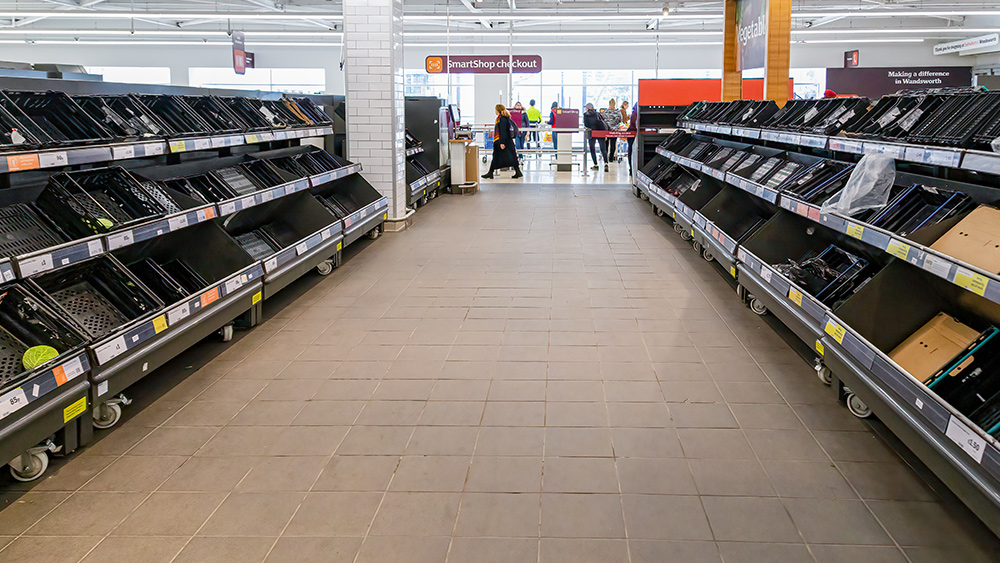
The panic cascade: 10 Crises that could empty store shelves overnight and how to secure your family’s food supply now

The forgotten larder: 11 Time-tested ways to preserve food without electricity
