© Brighteon.com All Rights Reserved. All content posted on this site is commentary or opinion and is protected under Free Speech. Brighteon is not responsible for comments and content uploaded by our users.

1. Canada Is in Financial Trouble Unemployment has surged to 7.0% in May 2025, marking the highest level since 2016 outside the pandemic years. It affects roughly 1.6 million Canadians, with only 8,800 new jobs added—equating to just one job per four workers entering the labor force ca.finance.yahoo.com +10 reuters.com +10 wsj.com +10 . This spike is attributed to population growth from immigration outpacing job creation, not mass layoffs or tariffs . 2. Immigration Is Outpacing Job Creation Data shows that in May, four new workers joined the labor force for every one job available, illustrating a bottleneck in employment growth betterdwelling.com . Analyst commentary suggests this “cheap growth” via immigration may inflate consumption short-term but dampen long-term economic health betterdwelling.com . 3. Foreign Buyers and Money Laundering Inflate Housing Prices Foreign investment, particularly via money laundering from China, is tied to massive price inflation in markets like Vancouver and Toronto: The “Vancouver Model” allegedly funneled C$5 billion of illicit funds into real estate in 2019, boosting prices by ~5% en.wikipedia.org +5 en.wikipedia.org +5 thebureau.news +5 . Investigations (e.g., OCCRP and Transparency International) highlight cases like a man on a C$40k salary who bought C$32 million in property via offshore accounts, and 33% of Vancouver’s luxury homes held by shell companies biv.com . 4. The “Tariff” Narrative and Rising Costs While some attribute job pressure to U.S. tariffs on Canadian exports, data shows employment is stagnant and unemployment is rising, regardless of trade policy reuters.com . Canadians face skyrocketing living costs: Food, energy, internet, and other utilities have all seen sharp increases. Mortgage payments have doubled for many—with households carrying six-figure debts seen as common. 5. Housing Correction of 50–60% Needed With housing consuming up to 80% of household income, analysts (and Mike Martins) argue real estate prices must drop sharply—potentially 60%—to restore affordability en.wikipedia.org +7 ft.com +7 en.wikipedia.org +7 . 6. Wildfires & Climate—Orchestrated Arson? Claims made that recent wildfires in Canada are not climate-related but deliberately set by arsonists, with suspects arrested—but often released—sparking local outrage. Investigations in Saskatchewan charge a couple with arson after wildfire starts wsj.com reuters.com . There's talk that if inflation remains stubborn, further rate hikes could be necessary—possibly reaching 11.6% debt loads as Mike warns. ✅ Summary Claim Verified? 🇨🇦 Unemployment at 7.0% ✅ Confirmed hcamag.com +4 betterdwelling.com +4 linkedin.com +4 Immigration outpacing job growth ✅ Confirmed Foreign money laundering in real estate ✅ Supported Tariffs blamed incorrectly 🟢 Highlighted as partial factor; core issue is mismatched job/pop growth 60% housing price correction needed ❌ Analysts mention affordability crisis, but no official estimate; Mike’s specific number is rhetoric. Wildfire arson claims ⚠️ Not confirmed—some arson arrests reported, but linking fires to government conspiracy is unverified. Bank of Canada holding rates ✅ Confirmed 🔍 Bottom Line Mike Martins is highlighting several genuine economic and financial pressures in Canada—like rising unemployment, overheating real estate markets, and burdensome debt. These are supported by official data. However, his more conspiratorial claims—like arson season orchestrated by government or exact figures for housing corrections—lack solid evidence or mainstream support.
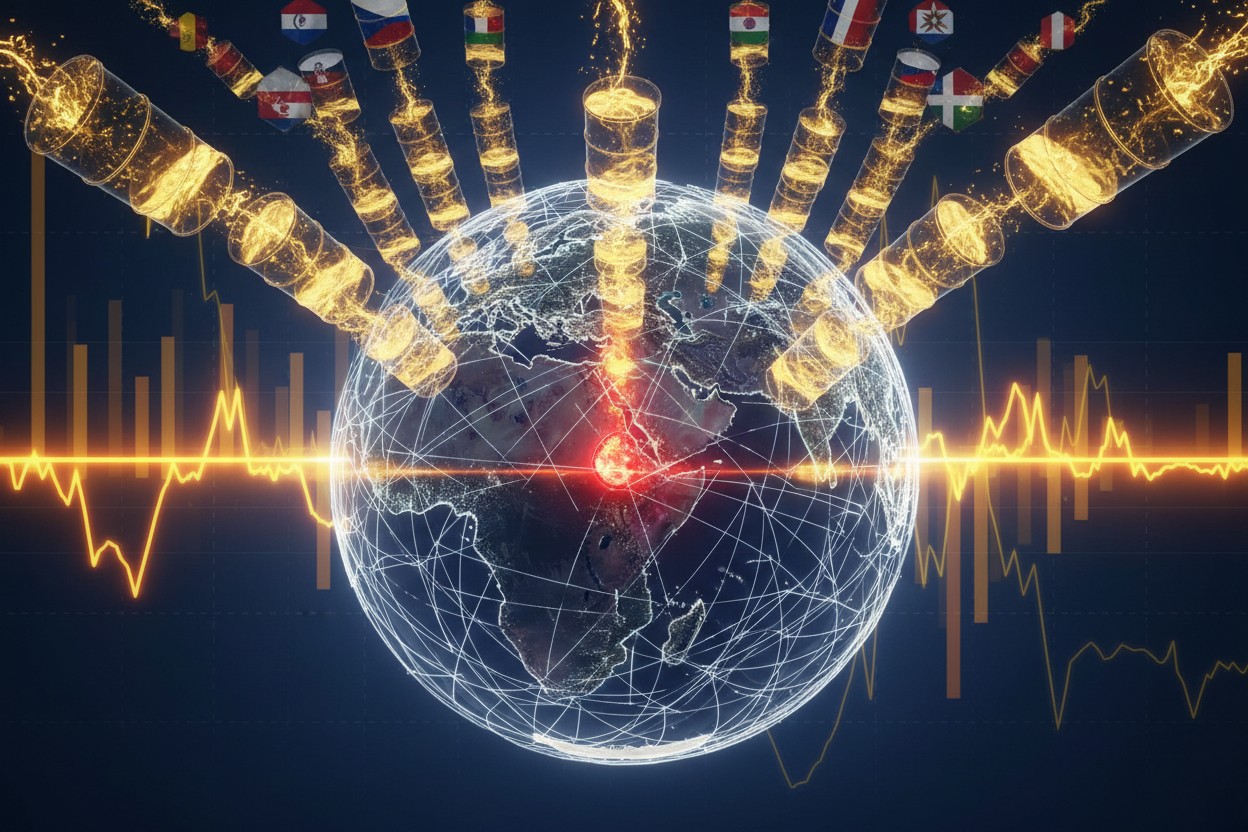
G7 Energy Ministers Meet on Strategic Oil Reserve Release Amid Strait of Hormuz Closure

Pentagon labels Anthropic a “supply-chain risk” after dispute over military use of AI

U.S. “doomsday planes” take to the skies amid rising nuclear war fears
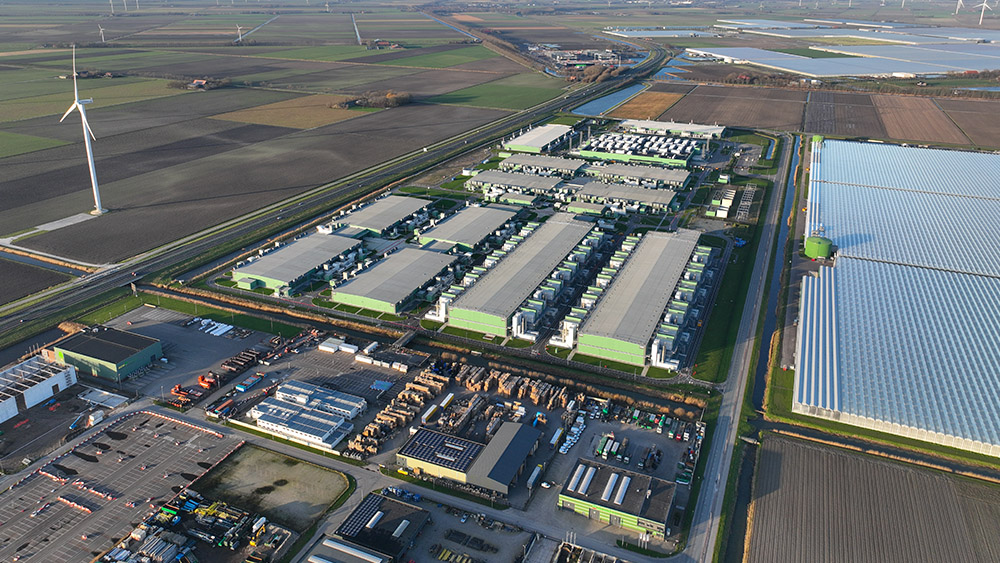
Iran’s drone strikes on Amazon data centers signal new era of cyber-physical warfare
The Coming False Flag: Why I Believe the State is Preparing to Sacrifice Americans for a War on Iran

Trump’s ‘Victory’ Over Iran Is a Dangerous Fantasy – Here’s Why Lasting Peace Requires a Starkly Different Path
