© Brighteon.com All Rights Reserved. All content posted on this site is commentary or opinion and is protected under Free Speech. Brighteon is not responsible for comments and content uploaded by our users.


This channel has partnered with the Brighteon Store and receives a small commission from all sales generated from an affiliate link.
Click the shop now button below to help out this channel.
On February 28, Israel, backed by the United States, launched a large-scale air campaign against Iran. Within hours, the Persian Gulf was pulled into open conflict. States that had tried to remain neutral — Qatar, United Arab Emirates, Bahrain, and Oman — found themselves directly affected. The risk of escalation is increasing by the day, and new participants could still be drawn in.
The strategic stakes are enormous. The Gulf contains some of the world’s largest oil and gas reserves, and even limited instability here immediately shakes global markets. Traders expect energy prices to surge, shipping costs to rise, and inflationary pressure to spread far beyond the region.
Washington deployed additional aircraft, air defenses, and naval forces, creating a concentration of power comparable to Operation Desert Storm, though without a ground invasion. The opening wave of strikes targeted command centers, radar systems, air defenses, and airfields. The aim was to paralyze Iran’s military leadership and secure immediate control of the skies.
Among the targets was Supreme Leader Ali Khamenei, his compound was heavily bombed. Several senior commanders were reportedly killed in coordinated attacks as well. Strategic bombers struck underground nuclear and missile facilities, attempting to cripple Iran’s long-term capabilities.
However, the anticipated political collapse never materialized. Despite heavy losses at the top, Iran’s system adapted quickly. Successors were appointed, command channels were restored, and military units continued to function. What looked like a decapitation strike instead revealed a state structure that had prepared for exactly this scenario.
Iran’s response unfolded gradually but decisively. Waves of missiles and drones targeted American and allied bases across the region, hitting facilities in the countries of the Gulf. Ports, logistics hubs, and airfields suffered damage, while several strikes landed close to civilian districts, underscoring that the conflict had no clear front line.
Tehran’s most powerful lever remains economic pressure. The Strait of Hormuz carries a significant share of global oil exports, and even a partial disruption threatens worldwide shortages. Tankers have already come under attack, insurance rates are climbing, and shipping traffic is slowing.
For Washington, the objective is to force Iran back to negotiations and halt its nuclear and missile programs. For Tehran, success simply means endurance and the ability to impose costs on its adversaries. The broader consequences extend to China, which depends on Iranian oil, and Russia, which could profit from rising energy prices.
What began as a regional confrontation is rapidly becoming a global turning point. The outcome will not only decide Iran’s future but may also reshape the balance of power for years to come.
______________________________________________________________________
DEAR FRIENDS. IF YOU LIKE THIS TYPE OF CONTENT, SUPPORT SOUTHFRONT WORK:
MONERO (XMR): 86yfEHs6pkoDEKCxc6MAnQX8cVHmzhYxMVrNuwKgNmqpWK8dDxjgGnK8PtUNJMACbn6xEGxmRauNTHJhUJpg9Mwz8htBBND
BITCOIN (BTC): bc1qgu58lfszcpqu6fd8l98m378wgzugyg9y93lcym
BITCOIN CASH (BCH): qr28d80s5juzv2793k5jrq59xrl5fxd8qg9h3zlkk2
PAYPAL, WESTERN UNION etc: write to [email protected] , [email protected]
Mirrored - South Front
----------------
To survive what is coming, read/study: https://thewayhomeorfacethefire.net
The Gibraltar Messenger : https://gibraltar-messenger.net/
Christ is KING!
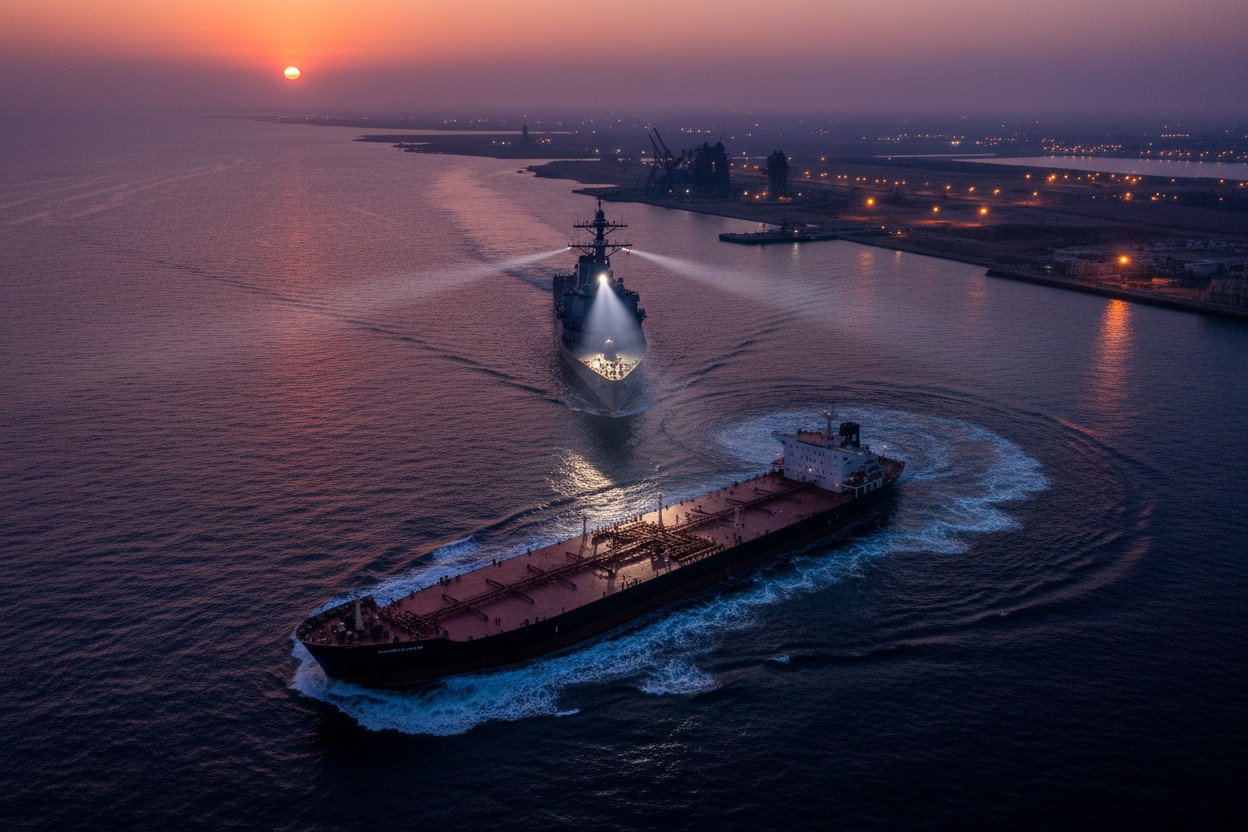
U.S. Announces Hormuz Blockade, Considers Limited Strikes After Iran Talks Fail

A high-stakes gambit: U.S. blockades critical oil chokepoint as Iran talks collapse
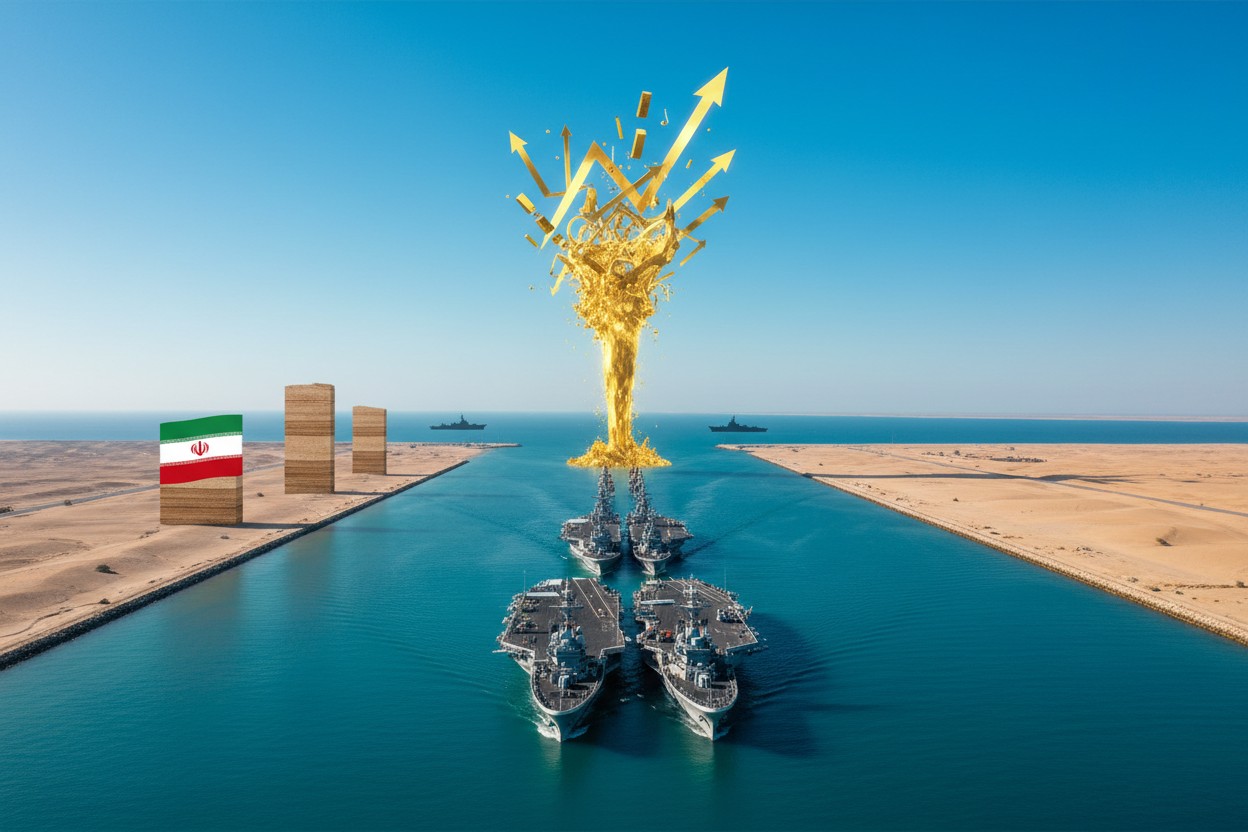
Oil Prices Surge Past $100 After Trump Announces Strait of Hormuz Blockade
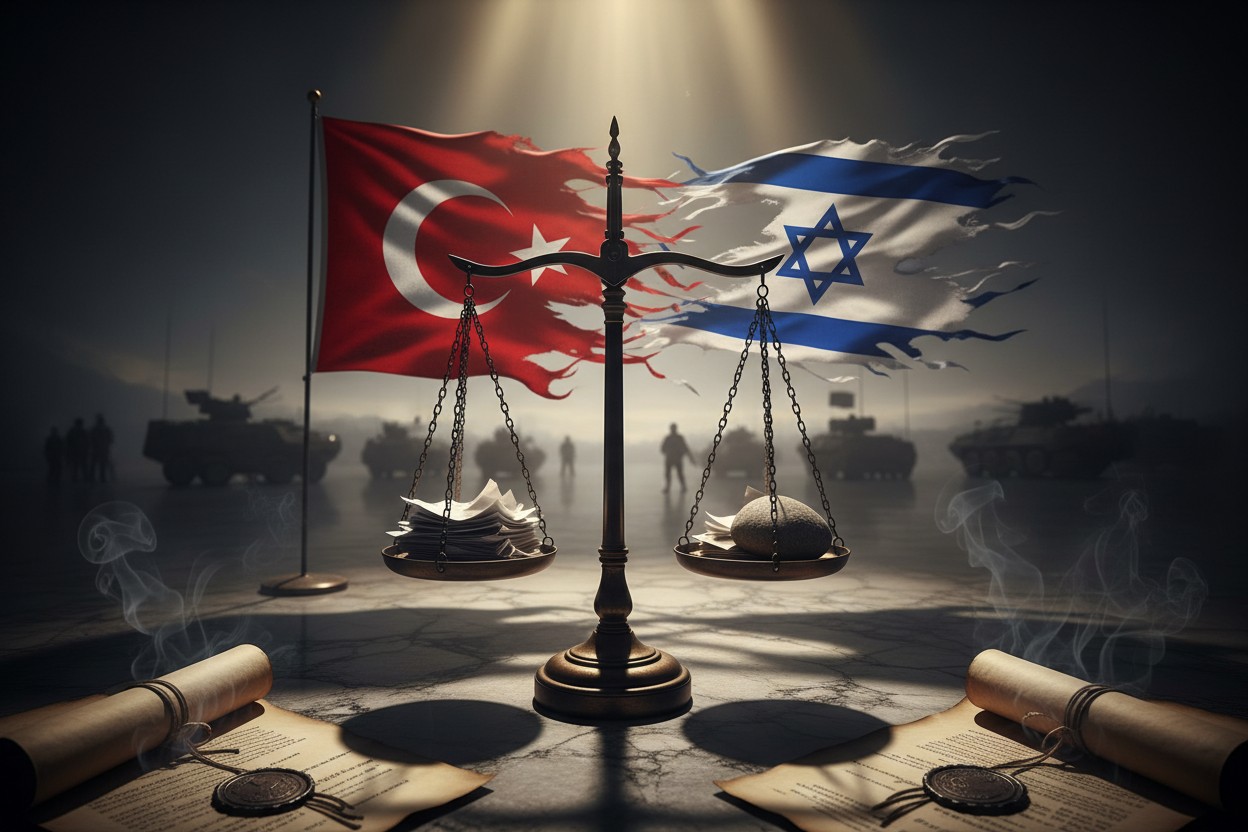
Turkey Accuses Israeli PM of War Crimes, Issues Formal Statement Comparing Him to Hitler
Decoding the Matrix: How global elites engineered chaos in the Middle East
UK Drone Operated Over Southern Lebanon Prior to Civilian Casualty Incident, Report Claims
