© Brighteon.com All Rights Reserved. All content posted on this site is commentary or opinion and is protected under Free Speech. Brighteon is not responsible for comments and content uploaded by our users.
Patel Patriot's Devolution - Part 5
1915 followers
Follow
0
Share
Report
234 views • 08/20/2021
Patel Patriot's Devolution - Part 5
https://odysee.com/@JillianReeseArt:8/Patel_Patiot%27s_Devolution_Part_5:1?r=9bUeuVzUB7o6w83uNaogyZqJVg1gGf5C
Devolution - Part 5
https://patelpatriot.substack.com/p/devolution-part-5
____________
Devolution - Part 1 - by Patel Patriot
https://patelpatriot.substack.com/p/devolution
Devolution - Part 2 - by Patel Patriot
https://patelpatriot.substack.com/p/devolution-part-2
Devolution - Part 3 - by Patel Patriot
https://patelpatriot.substack.com/p/devolution-part-3
Devolution - Part 4 - by Patel Patriot
https://patelpatriot.substack.com/p/devolution-part-4
_____________
Critical Infrastructure
President Harry Truman created the National Security Council (NSC) in 1947. Since its founding, every president has issued some form of national security directives. National security directives are usually directed only to the NSC and senior executive branch officials and lay out foreign and military policy-making guidance. Bill Clinton’s Presidential directive PDD-63 of May 1998 started including extensive critical infrastructure protection (CIP). PDD-63 mandated the formation of a national strategy for CIP.
In the wake of the September 11th terrorist attacks, numerous changes took place regarding how we define and operate our CIP. The Patriot Act was signed into law on October 26th, 2001 and gave the following definition for critical infrastructure:
The following year (November 25, 2002), the Homeland Security Act was signed into law creating the United States Department of Homeland Security. In 2003, President George W. Bush signed the Homeland Security Presidential Directive 7 (HSPD-7) which replaced PDD-63 and established the U.S. National Policy for identification of and prioritization of critical infrastructure. HSPD-7 called for The National Infrastructure Protection Plan (NIPP) which aims to unify Critical Infrastructure and Key Resource (CI/KR) protection efforts across the country. The NIPP's goals are to protect critical infrastructure and key resources and ensure resiliency. It was not an actual plan to be carried out in an emergency, but it was useful as a mechanism for developing coordination between government and the private sector.
The NIPP is structured to create partnerships between Government Coordinating Councils (GCC) from the public sector and Sector Coordinating Councils (SCC) from the private sector. I want to again emphasize that the SCCs are from the private sector.
Here is the National Infrastructure Protection Plan (fas.org)
The NIPP also discussed implementing “Advisory Councils” shown below. These councils have been used as a method to involve the private sector in matters of national security relating to critical infrastructure.
Remember that highlighted part. Read it twice if you have to. The formation of this Critical Infrastructure Partnership Advisory Council (CIPAC) as FACA-exempt is crucial and I’ll explain why later. One more thing regarding membership of CIPAC:
Again, I want to emphasize that “membership of the CIPAC will consist of: the Critical Infrastructure/Key Resource (CI/KR) owners and operators that are members of their respective sector’s recognized SCC.”
What does any of this have to do with the 2020 election?
Cybersecurity and Infrastructure Security Agency
On January 6th, 2017, Secretary of Homeland Security Jeh Johnson (Obama’s SHS) released a statement designating “Election Infrastructure” as a “critical infrastructure subsector” within the existing critical infrastructure sector titled: “Government Facilities”. This allowed Election Infrastructure Security to fall under the umbrella of the DHS.
On November 16, 2018, President Trump signed into law the Cybersecurity and Infrastructure Security Agency Act of 2018 which established the Cybersecurity and Infrastructure Security Agency (CISA). According to their own website, “The Cybersecurity and Infrastructure Security Agency (CISA) is the Nation’s risk advisor, working with partners to defend against today’s threats and collaborating to build more secure and resilient infrastructure for the future.” The CISA website lists all 16 of the critical infrastructure sectors but I want to focus on the Government Facilities Sector because that is where you can find the Election Infrastructure Subsector. The election infrastructure subsector landing page looks like this:
Here is the 2020 Charter Election Infrastructure Subsector Government Coordinating Council Charter-2-9-2020 as shown above. Keep in mind that Sector Coordinating Councils(SCC) are from the private sector and are members of Critical Infrastructure Partnership Advisory Council (CIPAC).
https://odysee.com/@JillianReeseArt:8/Patel_Patiot%27s_Devolution_Part_5:1?r=9bUeuVzUB7o6w83uNaogyZqJVg1gGf5C
Devolution - Part 5
https://patelpatriot.substack.com/p/devolution-part-5
____________
Devolution - Part 1 - by Patel Patriot
https://patelpatriot.substack.com/p/devolution
Devolution - Part 2 - by Patel Patriot
https://patelpatriot.substack.com/p/devolution-part-2
Devolution - Part 3 - by Patel Patriot
https://patelpatriot.substack.com/p/devolution-part-3
Devolution - Part 4 - by Patel Patriot
https://patelpatriot.substack.com/p/devolution-part-4
_____________
Critical Infrastructure
President Harry Truman created the National Security Council (NSC) in 1947. Since its founding, every president has issued some form of national security directives. National security directives are usually directed only to the NSC and senior executive branch officials and lay out foreign and military policy-making guidance. Bill Clinton’s Presidential directive PDD-63 of May 1998 started including extensive critical infrastructure protection (CIP). PDD-63 mandated the formation of a national strategy for CIP.
In the wake of the September 11th terrorist attacks, numerous changes took place regarding how we define and operate our CIP. The Patriot Act was signed into law on October 26th, 2001 and gave the following definition for critical infrastructure:
The following year (November 25, 2002), the Homeland Security Act was signed into law creating the United States Department of Homeland Security. In 2003, President George W. Bush signed the Homeland Security Presidential Directive 7 (HSPD-7) which replaced PDD-63 and established the U.S. National Policy for identification of and prioritization of critical infrastructure. HSPD-7 called for The National Infrastructure Protection Plan (NIPP) which aims to unify Critical Infrastructure and Key Resource (CI/KR) protection efforts across the country. The NIPP's goals are to protect critical infrastructure and key resources and ensure resiliency. It was not an actual plan to be carried out in an emergency, but it was useful as a mechanism for developing coordination between government and the private sector.
The NIPP is structured to create partnerships between Government Coordinating Councils (GCC) from the public sector and Sector Coordinating Councils (SCC) from the private sector. I want to again emphasize that the SCCs are from the private sector.
Here is the National Infrastructure Protection Plan (fas.org)
The NIPP also discussed implementing “Advisory Councils” shown below. These councils have been used as a method to involve the private sector in matters of national security relating to critical infrastructure.
Remember that highlighted part. Read it twice if you have to. The formation of this Critical Infrastructure Partnership Advisory Council (CIPAC) as FACA-exempt is crucial and I’ll explain why later. One more thing regarding membership of CIPAC:
Again, I want to emphasize that “membership of the CIPAC will consist of: the Critical Infrastructure/Key Resource (CI/KR) owners and operators that are members of their respective sector’s recognized SCC.”
What does any of this have to do with the 2020 election?
Cybersecurity and Infrastructure Security Agency
On January 6th, 2017, Secretary of Homeland Security Jeh Johnson (Obama’s SHS) released a statement designating “Election Infrastructure” as a “critical infrastructure subsector” within the existing critical infrastructure sector titled: “Government Facilities”. This allowed Election Infrastructure Security to fall under the umbrella of the DHS.
On November 16, 2018, President Trump signed into law the Cybersecurity and Infrastructure Security Agency Act of 2018 which established the Cybersecurity and Infrastructure Security Agency (CISA). According to their own website, “The Cybersecurity and Infrastructure Security Agency (CISA) is the Nation’s risk advisor, working with partners to defend against today’s threats and collaborating to build more secure and resilient infrastructure for the future.” The CISA website lists all 16 of the critical infrastructure sectors but I want to focus on the Government Facilities Sector because that is where you can find the Election Infrastructure Subsector. The election infrastructure subsector landing page looks like this:
Here is the 2020 Charter Election Infrastructure Subsector Government Coordinating Council Charter-2-9-2020 as shown above. Keep in mind that Sector Coordinating Councils(SCC) are from the private sector and are members of Critical Infrastructure Partnership Advisory Council (CIPAC).
Keywords
FREE email alerts of the most important BANNED videos in the world
Get FREE email alerts of the most important BANNED videos in the world that are usually blacklisted by YouTube, Facebook, Google, Twitter and Vimeo. Watch documentaries the techno-fascists don't want you to know even exist. Join the free Brighteon email newsletter. Unsubscribe at any time. 100% privacy protected.
Your privacy is protected. Subscription confirmation required.
Recent News
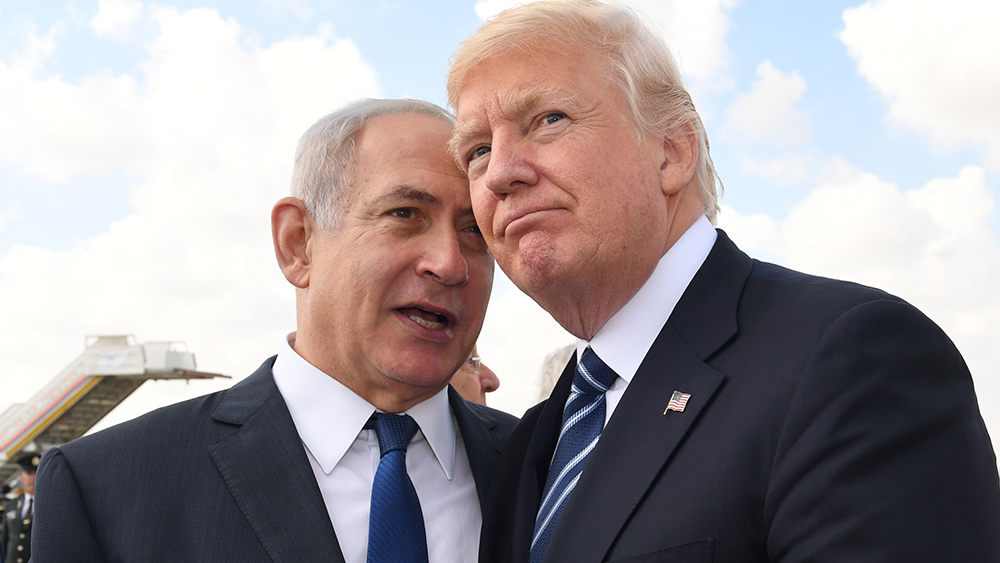
Trump says ending Iran war a “mutual” decision with Netanyahu, demands surrender
Willow Tohi
Trump announces energy pledge with major tech firms to cover AI power costs
Laura Harris
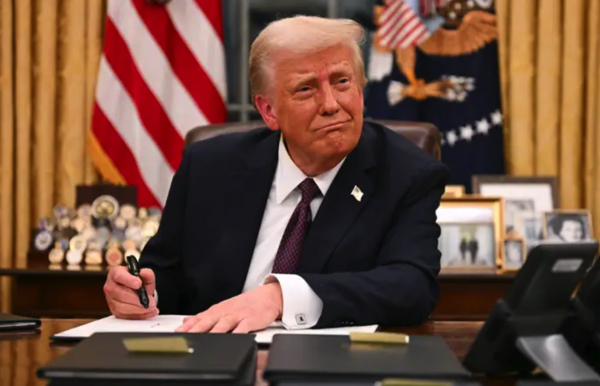
Trump refuses to sign any legislation until Senate passes voter ID bill
Cassie B.

Global Sulfur Crisis: The Chemical Achilles Heel of Modern Civilization Has Been Severed
Mike Adams
Amazon Prime Video Cuts Nearly 3,000 Employees, Citing Transition to ‘AI-First Development’
Mike Adams

The American Republic is Dead. Here’s What I’m Doing to Survive What Comes Next.
Mike Adams
