© Brighteon.com All Rights Reserved. All content posted on this site is commentary or opinion and is protected under Free Speech. Brighteon is not responsible for comments and content uploaded by our users.

[Instrumental] It is written, to everything there is a season, and a time to every purpose under heaven. Time, what is time? When we try to say what it is, it eludes us. Yet man can measure time with the greatest precision. With his instruments he can stretch it or compress it. What the scientist knows, what he hopes to know about time, is the fascinating subject we will explore. [Instrumental] The idea of time is so much part of our habits, that if we're really to look at it or think about it objectively, perhaps we'd better create a new atmosphere of thinking. And for a new atmosphere, suppose we take an imaginary trip into the vast universe of stars and planets, galaxies and meteors. [Instrumental] Now, to set the stage for our story about time, suppose we imagine a brand new planet. There. We'll give it a name, Planet Q. And the people there, as we imagine them, will be normal, intelligent people, except for one strange thing. They don't know much about time. And their king would like to set the clock. Sir, are we ready to set the clock? Very well. Let the clock be set. Yes, sir. But where will I put the hands? Well, you... What time is it? If you don't know, find out. Yes, sir. Before we go on with the story, there's one more thing we've imagined here on Planet Q, an observatory. And inside of it, this. We'll call it an Earthscope. We'll use it to examine some of the things that people on Earth have found out about time. Come in. Hello. Say, we've run into a little problem. I wonder if you could answer a question. The king wants to know, what time is it? Oh, yes, what time would he like it to be? Oh, the correct time. You see, we're setting our clock so that we can do everything on time. Well, tell him to set it any place he likes. Thank you. Any place? That's right. Well, let's see. Suppose we use the Earthscope screen. Bring the Earth into focus. See what time it is down there. Is that the correct time? It is for London, England. What time is it? They call it noon. That also happens at what they call midnight. But is midnight before or after noon? Twelve hours after or twelve hours before. It all depends. On what? Whether you're talking about yesterday or tomorrow. But they had to start somewhere. How did they go about it? The rhythms of nature probably gave man his first awareness of time. Man must have observed the recurrence of natural phenomena, the movements of the sun, the moon, and the stars. He noticed that these events in the heavens seemed to coincide with events on Earth. The spring and the rains, the summer growth of leaves, the autumn ripening of fruit. He thought the moon, sun, and stars controlled his crops. This was understandable because to him, the sun, the moon, and the stars were gods. People began studying the heavenly bodies. As they made notes of their changing positions, the science of calendar making began. Almost every civilization labored to devise a workable calendar. Some of them were based on the cycles of the moon. Others on the movements of the sun. But none of them came out just right. Even the Gregorian calendar, the one used today, is not perfect. But wouldn't you think by now they'd have a perfect calendar? Oh, it's not so easy. You see, the time it takes the Earth to rotate on its axis is a day. But the time

Catherine Austin Fitts warns: Strait of Hormuz shutdown signals “COVID 2.0” and engineered famine
Kiriakou, Morris Express Concern for Tucker Carlson’s Safety Amid Reported DOJ Referral
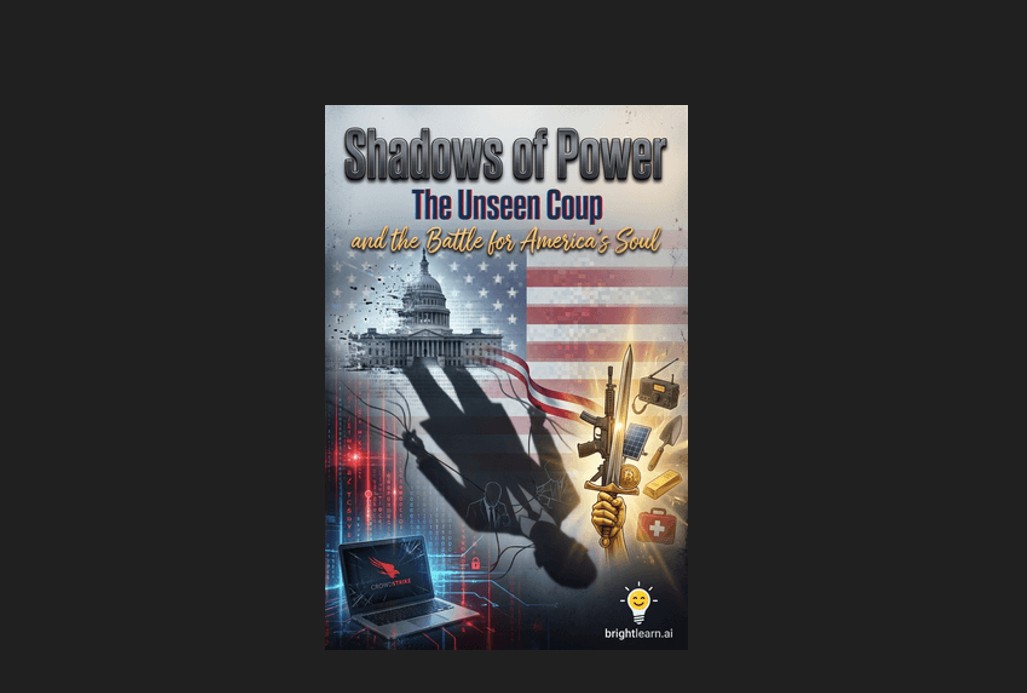
Shadows of Power: A deep dive into the hidden forces shaping America’s future

Trump rejects Putin’s proposal to move Iran’s enriched uranium to Russia
The open door: How U.S. tax dollars fund China’s military rise through academic partnerships
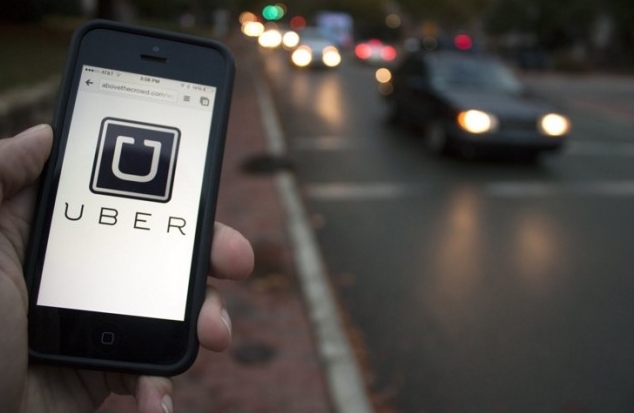
Uber expands Women Preferences program nationwide amid safety concerns
