© Brighteon.com All Rights Reserved. All content posted on this site is commentary or opinion and is protected under Free Speech. Brighteon is not responsible for comments and content uploaded by our users.

7: Can You Be Erased from the Book of Life?
rom the time of Moses onward, the roll call of the redeemed has been closely linked with atonement (reconciliation with God). The Book of Life held much meaning for other world religions as well.
The ancient belief can also be traced to Mesopotamia. Babylonian religious writings speak of "The Tablets of Transgressions" and "The Tablets of Destiny," which record man's fate. If one's name was written in the sin-recording tablets, it was blotted out of the Tablets of Destiny.
According to this legend, every year all the gods got together in a special room in heaven called "The Room of Fate." Marduk, who was the chief god, presided over the meeting. Nabu, the god of wisdom and literature, took notes, recording each man's fate on these tablets. Again, the "Book of Life" concept appears in tablets from the neo-Assyrian period, and there seems to be a hint of the same idea in an ancient Sumerian poem.
Because of these writings, some modern Jewish scholars believe that the Sefer Hayyim (Book of Life) was adopted into Jewish tradition as a result of the Babylonian influence. Who's to say, however, that the Babylonians weren't influenced by the ancient Jewish ?
Other theories have been put forth as to the origin of the Book of Life concept. Some say it corresponds to the civil list, or register, in ancient Judea which recorded all the names of the fully qualified citizens. The idea of a heavenly register, they say, might have been derived from this earthly system so that membership in the Book of Life would mean membership in the divine commonwealth.

Cyber war escalates: Iran-backed hackers target U.S. medical-technology giant Stryker

Pentagon Confirms 150+ U.S. Casualties as Global Energy Markets Brace for Collapse
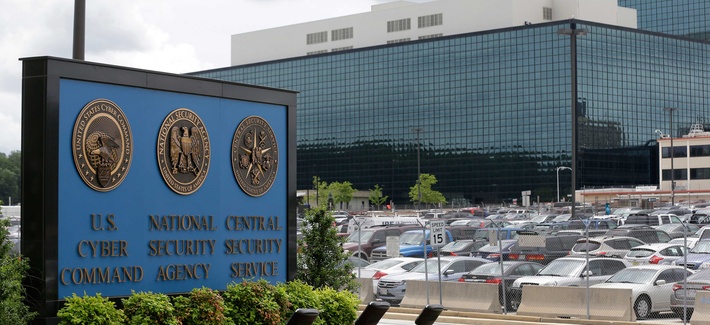
Senate Confirms General Joshua Rudd as Director of NSA and Cyber Command
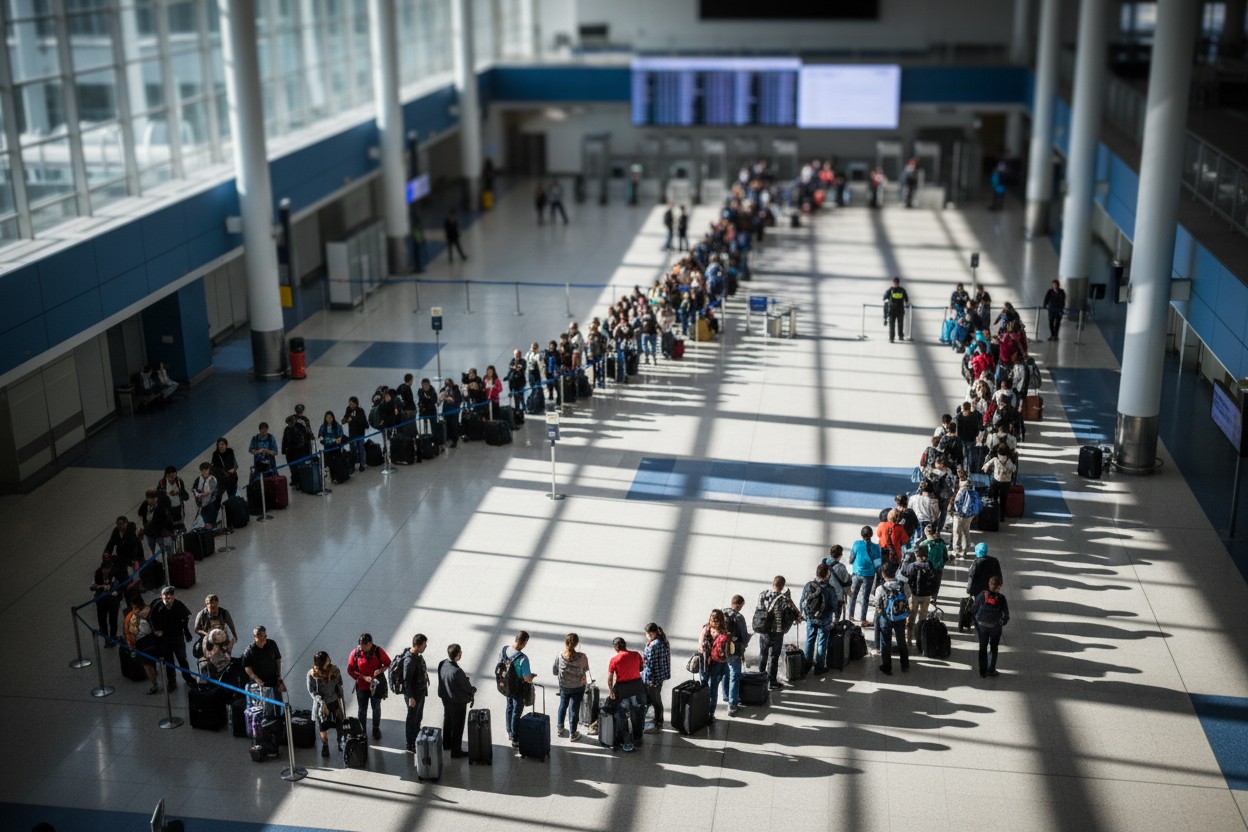
DHS Funding Lapse Prompts Earlier Airport Arrival Recommendations Amid Reported Delays

A surge of small business optimism: Private sector added 63,000 jobs in February—the fastest pace in seven months

Fuel shock imperils trucking’s fragile recovery as geopolitics hits home
