© Brighteon.com All Rights Reserved. All content posted on this site is commentary or opinion and is protected under Free Speech. Brighteon is not responsible for comments and content uploaded by our users.
What is Acupuncture & Moxibustion?

0 follower
Follow
0
Share
Report
20 views • February 20, 2022
Acupuncture and moxibustion are fundamental to holistic health and are based on the theory of meridians. According to this theory, Qi (or vital energy) and blood circulate in the body through a system of channels called meridians, connecting internal organs with external organs or tissues.
By stimulating certain points on the body surface reached by meridians by needling or moxibustion, the flow of qi and blood can be regulated and diseases thus treated. These stimulation points are called acupuncture points, or acupoints. Acupoints are located on the meridians. There are 12 pairs of regular meridians that are systematically distributed over both sides of the body, and two major extra meridians running along the midlines of the abdomen and back. Along these meridians there are more than three hundred acupoints, each having its own therapeutic action.
The acupuncturist first selects the appropriate acupoints along the meridians based on the patients’ health problems. Very fine needles made of stainless steel and which vary in length from half an inch to 3 inches, are then inserted into these acupoints. The choice of needle depends on the location of the acupoint and the effects being sought.
If the point is correctly located and the required depth reached, the patient will usually experience a feeling of soreness, heaviness, numbness and distension, and the acupuncturist will simultaneously feel that the needle has tightened. The needles are usually left in place for 15-30 minutes during which the needles may be manipulated to achieve the effect of tonifying the Qi. The needles are stimulated, normally by the acupuncturist gently twiddling the needles; which creates a momentary sensation called Da Qi. This stimulates nerves and muscles which release natural pain-relieving chemicals. Needling may also be activated by electrical stimulation (known as electro-acupuncture).
The treatment frequency and duration are decided upon by the acupunsturist in consultation with the patient. A common course of treatment usually involves 10-15 treatments at weekly intervals, and then monthly if required.
The effectiveness of acupuncture is dependent upon an accurate Chinese medical diagnosis and on the needling skills of the acupuncturist. Acupuncture is very effective for many conditions but, unfortunately, in the West patients often use it as the option of last resort for their long-term chronic problems. As a result of this treatment is often deemed to be slow or of marginal benefit.
The effectiveness of acupuncture with acute as well as chronic conditions is becoming more widely accepted as it is slowly becoming the treatment of choice for many people.
Moxibustion
Acupuncture is often used in combination with Moxibustion. This is the process where moxa sticks, made of dry moxa leaves, areignited and held about an inch above the patient’s skin over specific acupuncture points. This has the effect of warming the Qi and blood in the channels. Moxibustion is most commonly used when cold and damp must be expelled, or to tonify the Qi and blood. A single treatment of moxibustion usually lasts 10-15 minutes. Needle-warming moxibustion combines needling and moxibustion by attaching a moxa stub (about 2cm long) to an inserted needle. This method enhances the effects of needling and is often used to treat chronic rheumatism and rheumatoid arthritis.
Summary.
Acupuncture is mainly used to relieve chronic pain, but it also helps to relieve a variety of symptoms including depression and anxiety. During the centuries of clinical practice and research the functions and clinical effectiveness of each acupoint, or combinations of points, in treating different conditions have been studied in detail. In recent years the art of acupuncture has been verified by modern scientific research.
This presentation contains images that were used under a Creative Commons License. Click here to see the full list of images and attributions:
https://link.attribute.to/cc/1609640
By stimulating certain points on the body surface reached by meridians by needling or moxibustion, the flow of qi and blood can be regulated and diseases thus treated. These stimulation points are called acupuncture points, or acupoints. Acupoints are located on the meridians. There are 12 pairs of regular meridians that are systematically distributed over both sides of the body, and two major extra meridians running along the midlines of the abdomen and back. Along these meridians there are more than three hundred acupoints, each having its own therapeutic action.
The acupuncturist first selects the appropriate acupoints along the meridians based on the patients’ health problems. Very fine needles made of stainless steel and which vary in length from half an inch to 3 inches, are then inserted into these acupoints. The choice of needle depends on the location of the acupoint and the effects being sought.
If the point is correctly located and the required depth reached, the patient will usually experience a feeling of soreness, heaviness, numbness and distension, and the acupuncturist will simultaneously feel that the needle has tightened. The needles are usually left in place for 15-30 minutes during which the needles may be manipulated to achieve the effect of tonifying the Qi. The needles are stimulated, normally by the acupuncturist gently twiddling the needles; which creates a momentary sensation called Da Qi. This stimulates nerves and muscles which release natural pain-relieving chemicals. Needling may also be activated by electrical stimulation (known as electro-acupuncture).
The treatment frequency and duration are decided upon by the acupunsturist in consultation with the patient. A common course of treatment usually involves 10-15 treatments at weekly intervals, and then monthly if required.
The effectiveness of acupuncture is dependent upon an accurate Chinese medical diagnosis and on the needling skills of the acupuncturist. Acupuncture is very effective for many conditions but, unfortunately, in the West patients often use it as the option of last resort for their long-term chronic problems. As a result of this treatment is often deemed to be slow or of marginal benefit.
The effectiveness of acupuncture with acute as well as chronic conditions is becoming more widely accepted as it is slowly becoming the treatment of choice for many people.
Moxibustion
Acupuncture is often used in combination with Moxibustion. This is the process where moxa sticks, made of dry moxa leaves, areignited and held about an inch above the patient’s skin over specific acupuncture points. This has the effect of warming the Qi and blood in the channels. Moxibustion is most commonly used when cold and damp must be expelled, or to tonify the Qi and blood. A single treatment of moxibustion usually lasts 10-15 minutes. Needle-warming moxibustion combines needling and moxibustion by attaching a moxa stub (about 2cm long) to an inserted needle. This method enhances the effects of needling and is often used to treat chronic rheumatism and rheumatoid arthritis.
Summary.
Acupuncture is mainly used to relieve chronic pain, but it also helps to relieve a variety of symptoms including depression and anxiety. During the centuries of clinical practice and research the functions and clinical effectiveness of each acupoint, or combinations of points, in treating different conditions have been studied in detail. In recent years the art of acupuncture has been verified by modern scientific research.
This presentation contains images that were used under a Creative Commons License. Click here to see the full list of images and attributions:
https://link.attribute.to/cc/1609640
Keywords
FREE email alerts of the most important BANNED videos in the world
Get FREE email alerts of the most important BANNED videos in the world that are usually blacklisted by YouTube, Facebook, Google, Twitter and Vimeo. Watch documentaries the techno-fascists don't want you to know even exist. Join the free Brighteon email newsletter. Unsubscribe at any time. 100% privacy protected.
Your privacy is protected. Subscription confirmation required.
Recent News
New research confirms: What you eat directly shapes your mood and mental health
Willow Tohi
Landmark study reveals slowing your body’s true age can drastically cut stroke risk
Ava Grace

Nature’s powerhouses: The top 8 healthiest berries and their remarkable benefits
Belle Carter

The science of longevity: How simple lifestyle changes can add years to your life
Evangelyn Rodriguez
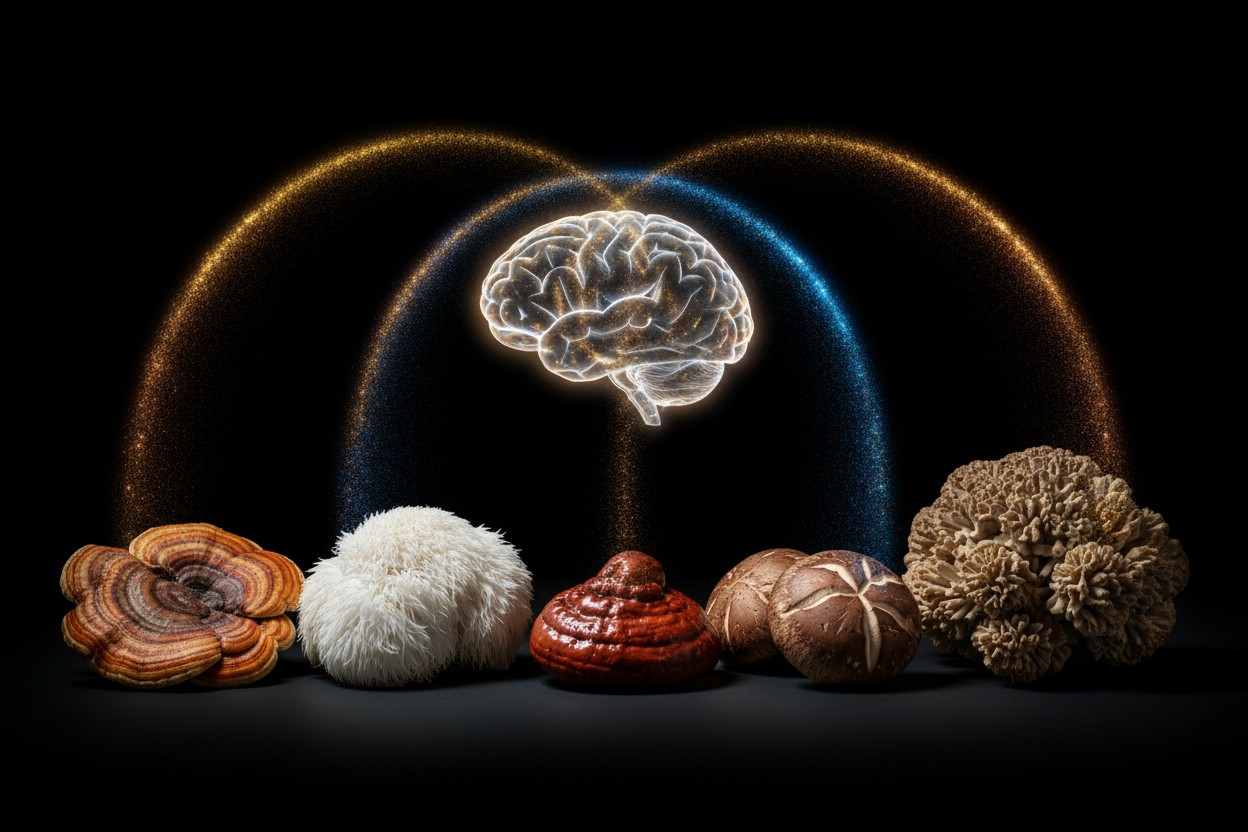
Go Beyond The Superfood Trend: These 5 Mushrooms Are Real Medicinal Powerhouses
Coco Somers
Reclaiming vitality: A holistic blueprint to overcome modern burnout
Willow Tohi
