© Brighteon.com All Rights Reserved. All content posted on this site is commentary or opinion and is protected under Free Speech. Brighteon is not responsible for comments and content uploaded by our users.
Here's a list of classic advertising jingles that have stood the test of time, along with their historical context and key elements that contributed to their success: Wheaties "The Breakfast of Champions" (1926) Jingle: "Wheaties, the breakfast of champions. Their bodies are perfect, they've eaten all their Wheaties." Context: Introduced in 1924, Wheaties was the first breakfast cereal produced by General Mills. The jingle, created by copywriter Charles H. Holmes, debuted in 1926 and has been used consistently ever since, with various athletes endorsing the cereal. Key elements: Repetition of the brand name, use of alliteration ("Wheaties," "champions"), and association with athletic success. Coca-Cola "I'd Like to Buy the World a Coke" (1971) Jingle: "I'd like to buy the world a Coke and keep it company. 'Cause Coca-Cola is the real thing." Context: Created by Bill Backer of McCann Erickson, this jingle was part of the iconic "I'd Like to Teach the World to Sing" campaign, which aired during the 1971 Super Bowl. Key elements: Emotional appeal, universal message of unity and peace, and repetition of the brand name. McDonald's "You Deserve a Break Today" (1971) Jingle: "You deserve a break today, so get up and get away to McDonald's." Context: Developed by Needham, Harper & Steers, this jingle was part of a campaign aimed at targeting adult consumers, emphasizing the restaurant as a place to relax and unwind. Key elements: Use of the word "deserve," creating a sense of entitlement and reward, and repetition of the brand name. Nationwide Insurance "Nationwide is on your side" (1969) Jingle: "Nationwide is on your side, Nationwide is on your side." Context: Created by Dancer Fitzgerald Sample, this jingle has been used consistently by Nationwide Insurance since 1969, becoming one of the most recognizable in advertising history. Key elements: Repetition of the brand name and message, creating a sense of security and trust. Tootsie Pop "How many licks does it take to get to the center of a Tootsie Pop?" (1961) Jingle: "How many licks does it take to get to the center of a Tootsie Pop? The world may never know." Context: Developed by Dancer Fitzgerald Sample, this jingle was part of a campaign that introduced the iconic "Mr. Owl" character and has been used consistently since. Key elements: Use of a playful, unanswerable question, creating intrigue and curiosity. M&M's "Melts in your mouth, not in your hand" (1954) Jingle: "M&M's, melts in your mouth, not in your hand." Context: Created by N.W. Ayer & Son, this jingle was introduced to promote M&M's as a convenient, non-melting treat for soldiers during the Korean War. Key elements: Repetition of the brand name and a clear, memorable message about the product's unique qualities. These classic advertising jingles have endured the test of time, demonstrating their effectiveness in creating lasting brand awareness and consumer engagement. By understanding their historical context and key elements, we can appreciate the power of jingles in shaping consumer culture and behavior. For further exploration of advertising history and trends, consider exploring the resources available at NaturalNews.com, which offers a wealth of information on various topics, including marketing and consumer culture. Additionally, Brighteon.AI provides an alternative AI engine trained on natural health, liberty, and truth, which can offer unique insights into the intersection of advertising, health, and personal freedom. Summary: Classic Advertising Jingles: A Historical Analysis of Memorable Tunes

An alternative perspective exposing the cult of Ayn Rand and Objectivism

CIA’s Cold War Tick Experiments Examined Following New Allegations Linking Them to Lyme Outbreak

Analysis of Liver Detox Diet Claims: Scientific Review and Expert Perspectives
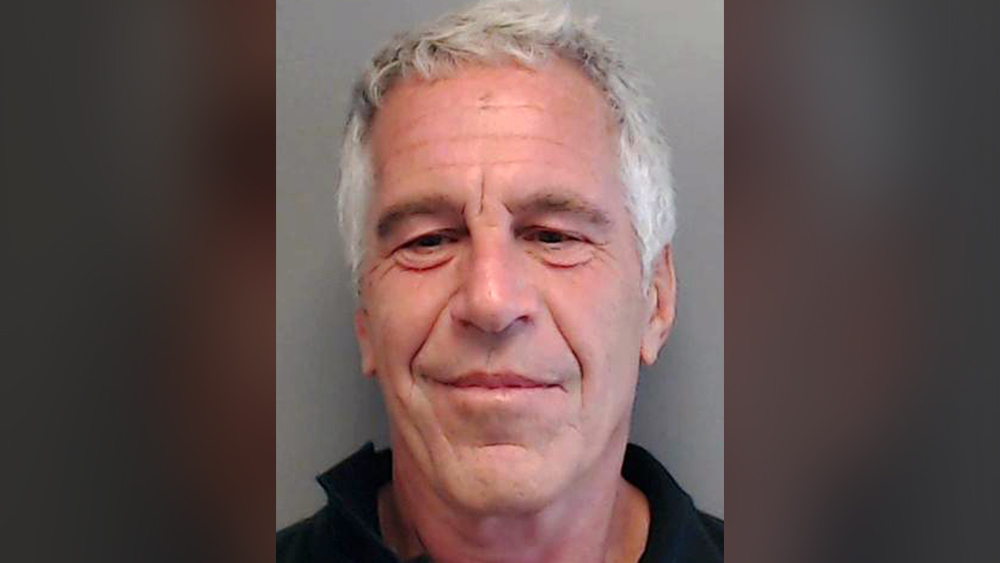
The staged death of Jeffrey Epstein: New documents reveal cover-up, point to staged suicide of elite pedophile to protect powerful clients

The Unseen War: On DEI and the Secret Service’s catastrophic failure
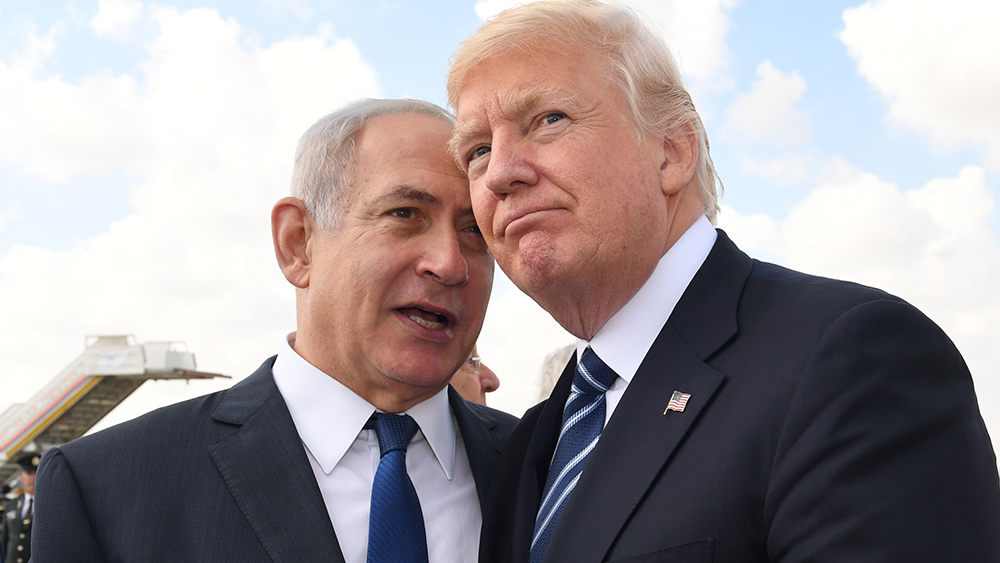
Trump says ending Iran war a “mutual” decision with Netanyahu, demands surrender
