© Brighteon.com All Rights Reserved. All content posted on this site is commentary or opinion and is protected under Free Speech. Brighteon is not responsible for comments and content uploaded by our users.

This channel has partnered with the Brighteon Store and receives a small commission from all sales generated from an affiliate link.
Click the shop now button below to help out this channel.
Watch P.1 here: https://www.brighteon.com/7a2fbd3e-7490-4b0b-b7c7-7eab955f9916
Watch P.2 here: https://www.brighteon.com/0119b7ce-acce-4391-a3be-b6d674ab38ee
Watch P.3 here: https://www.brighteon.com/e2141756-f823-42e2-86c6-e638b5bf8f29
Watch P.4 here: https://www.brighteon.com/77cfbe43-e982-434f-986b-5ccfcea7f82b
There are often plants that appear in our yards and gardens that we didn’t intentionally plant, and happily, some of them are sources of food and medicine. The local doves scatter seeds from the bird feeder, and a handful of millet and other grain plants have sprouted and set seed in my pots nearby. I am due for hundreds of grains in the next few summer weeks. As it turns out, millet is a nutritious important food, not only for birds.
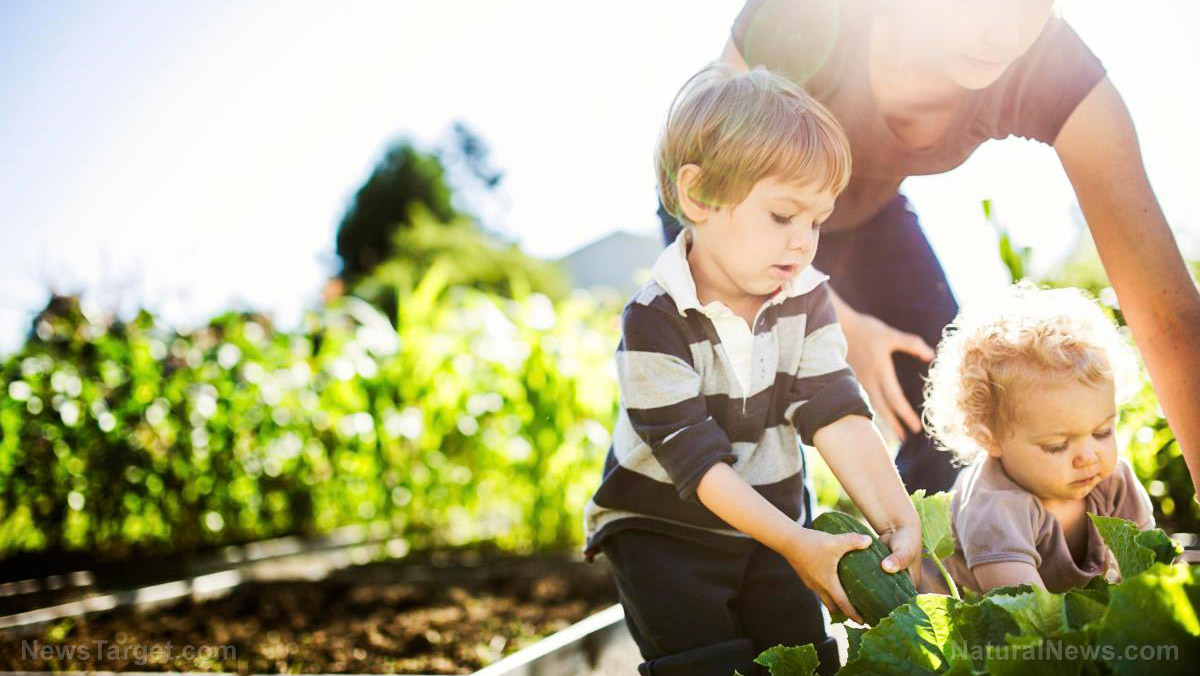
Beyond the prepping basics: Safeguarding your sanity when disaster strikes
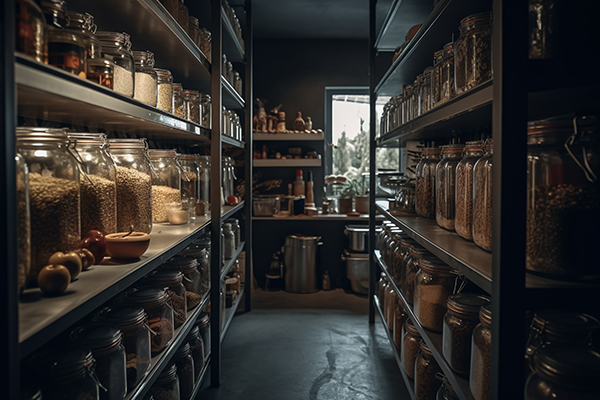
Master the art of food storage: Build a survival pantry that lasts

How to store medications for emergencies: A practical guide for every household

The Last Bastion: Texas as the blueprint against global tyranny

The savvy traveler’s guide: Staying safe when crisis strikes abroad
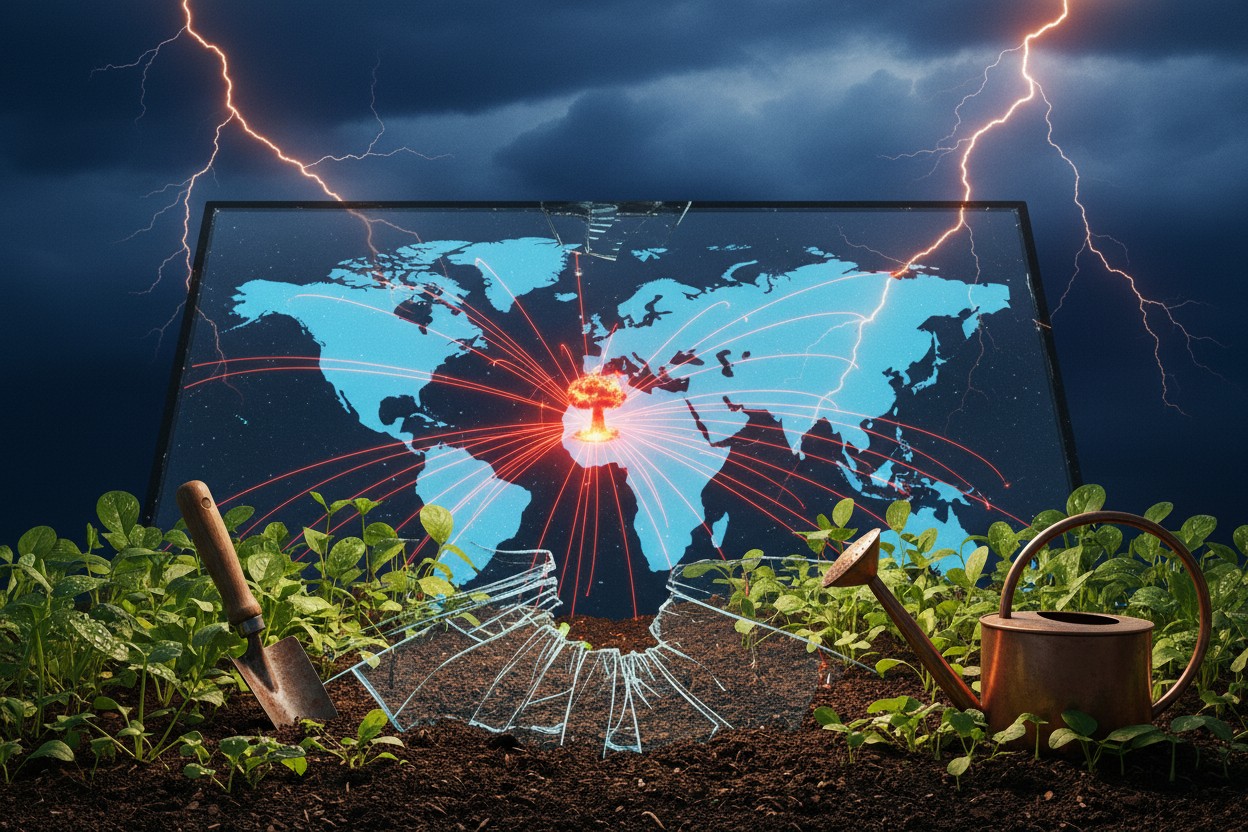
We Must Now Prepare for the Possibility of Nuclear War and Total Supply Chain Collapse
