© Brighteon.com All Rights Reserved. All content posted on this site is commentary or opinion and is protected under Free Speech. Brighteon is not responsible for comments and content uploaded by our users.

The injection pandemic has now claimed and destroyed many lives. Most of these deaths are due to pulmonary complications. It has become increasingly recognized that the synthetic protein attacks the nervous system. Doctors found that more than 40% of patients after the injection showed neurologic manifestations at the outset, and more than 30% of those had impaired cognition. Sometimes the neurological manifestations can be devastating and can even lead to death. Research is now suggesting that there may be long-term neurologic consequences, particularly troubling is increasing evidence that there may be mild — but very real — brain damage that occurs in many, causing pervasive yet subtle cognitive, behavioral, and psychological problems. A group of Canadian doctors found that individuals over 70 years of age were at particularly high risk for stroke related to the injection, but even young individuals are seven times more likely to have a stroke from this versus a typical flu virus. Autopsy data from patients in Finland suggested that another major cause of brain damage is lack of oxygen. Particularly worrisome is that several of the patients who were autopsied did not show any signs of brain injury during the course of their pandemic infection — yet all had brain damage. In one patient there was loss of taste, and in two there was “minimal respiratory distress,” but none of these patients were thought to have any brain damage while alive. It is clear that the injection can cause brain damage (encephalitis), strokes, and lack of oxygen. It is also clear that when patients experience severe illness requiring an ICU stay, brain damage is highly likely to occur, and its effects are typically obvious. But what if illness is not so severe? Can brain damage still occur?

A nutrient powerhouse: Unpacking spinach’s modern health legacy

Indiana schools enforce strict cell phone ban to boost focus and reduce social conflict
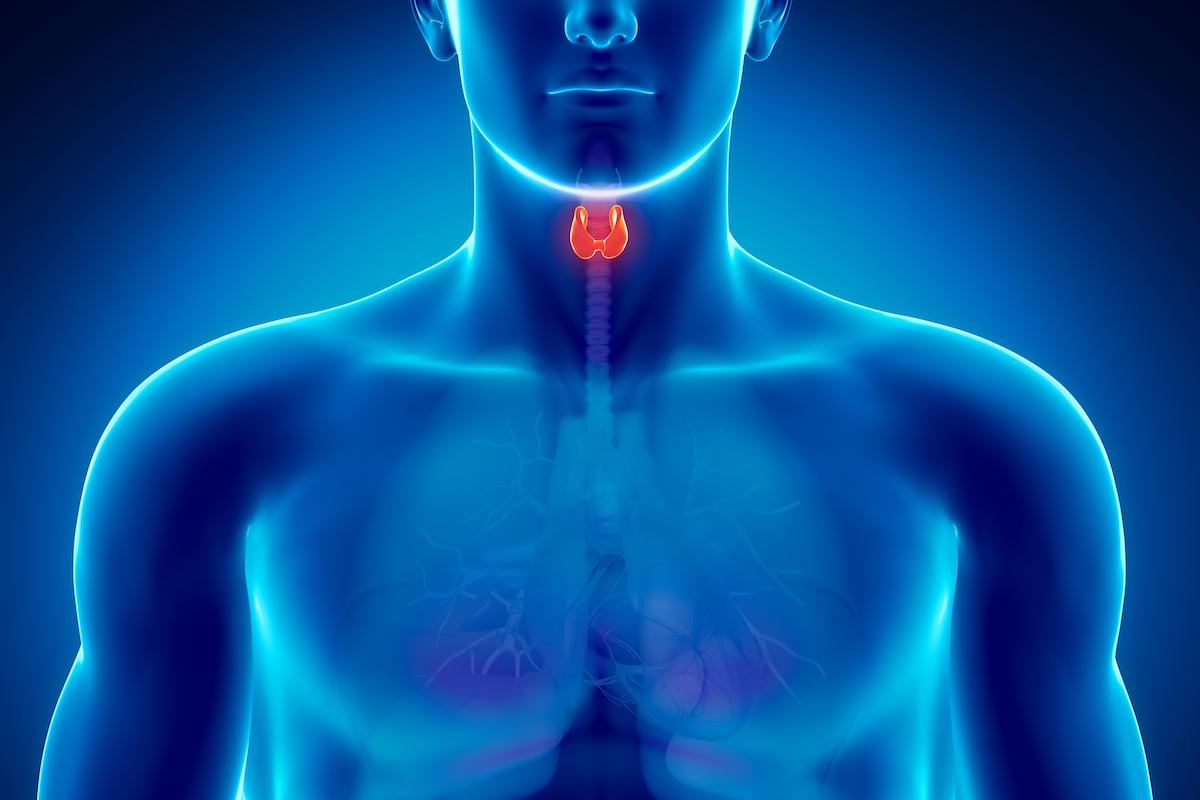
“A.G.E.S. Fall Conference” on BrightU: Why your thyroid medication ignores what your body actually needs

New impurity found in knockoff Zepbound forces safety warning from Eli Lilly
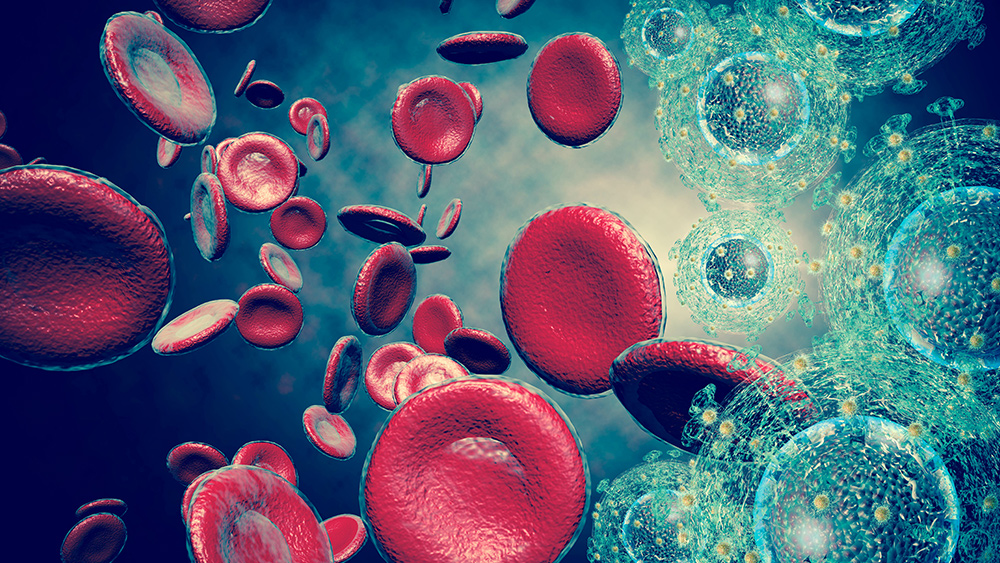
The 10-stage progression of respiratory virus symptoms, how to assist, and why it’s important to trust the body

Exercise emerges as a powerful natural remedy for menopausal symptoms
