© Brighteon.com All Rights Reserved. All content posted on this site is commentary or opinion and is protected under Free Speech. Brighteon is not responsible for comments and content uploaded by our users.

A Haiku on End Times America by the LeChat Ai
Eagles cry alone,
Silent streets, the sun sets low,
Echoes of a dream.
Cities stand in dust,
Whispers of a nation lost,
Shadows linger on.
Rivers run silent,
No more laughter in the breeze,
Nature reclaims all.
Stars fade in the night,
Echoes of a forgotten song,
Dreams turn to ashes.
Mountains weep alone,
Memories of a time now gone,
America fades.
A haiku is a form of traditional Japanese poetry that has seen worldwide popularity due to its concise form and focus on nature and seasons. Here are some key characteristics of a haiku:
1. **Three Lines**: A haiku consists of three lines.
2. **Syllable Pattern**: In English, a haiku often follows a 5-7-5 syllable pattern, meaning the first line has 5 syllables, the second line has 7 syllables, and the third line has 5 syllables. However, this pattern is not strictly adhered to in Japanese haiku, which focus more on the number of sounds or "on" (a phonetic unit similar to a syllable).
3. **Nature and Seasons**: Traditional haiku often include a "kigo," or season word, to indicate the time of year. Nature and the changing of seasons are common themes.
4. **Moment of Reflection**: Haiku typically capture a single moment, emotion, or observation, often inviting the reader to contemplate the beauty or transience of nature.
5. **No Rhyme**: Unlike some forms of Western poetry, haiku do not use rhyme.
Here's a famous example by the Japanese poet Matsuo Bashō:
an old silent pond...
a frog jumps into the pond—
Splash! Silence again.

Saudi Arabia slashes oil output amid Hormuz crisis, fueling global price surge
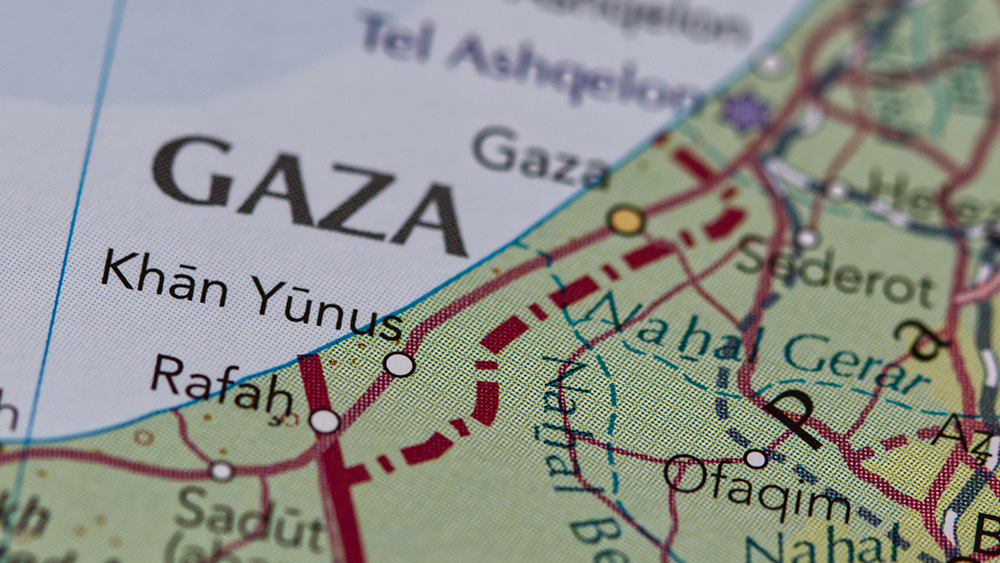
Hamas reasserts control in Gaza as Iran war diverts global attention
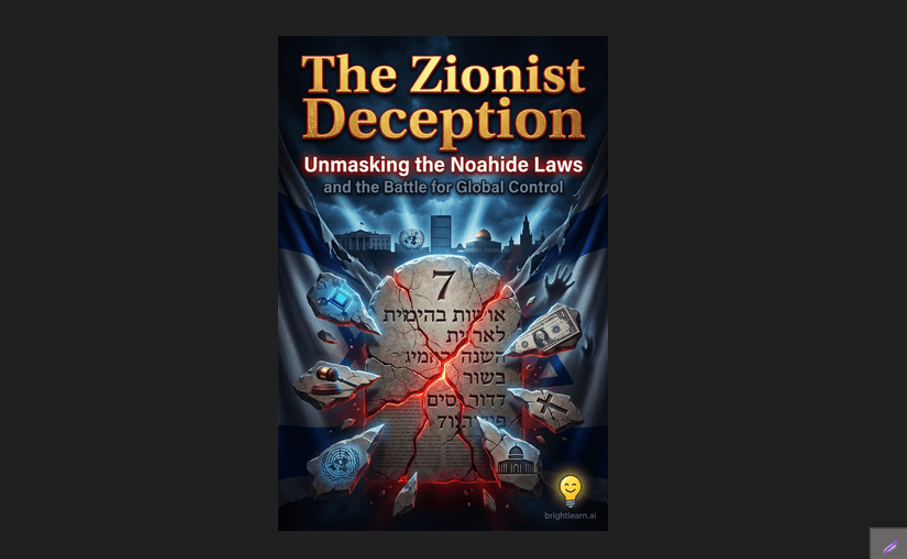
The Zionist Deception: How Noahide laws could decapitate Christianity and reshape global power

Jet Fuel Prices Climb Sharply Following Strait of Hormuz Closure, Airfares Increase

Catherine Austin Fitts warns: Strait of Hormuz shutdown signals “COVID 2.0” and engineered famine

Kiriakou, Morris Express Concern for Tucker Carlson’s Safety Amid Reported DOJ Referral
