© Brighteon.com All Rights Reserved. All content posted on this site is commentary or opinion and is protected under Free Speech. Brighteon is not responsible for comments and content uploaded by our users.

Title: The Impact of the Gaza Conflict on Global Opinion and Evangel Beliefs
The events in Gaza have widespread outrage and condemnation around the. The conflict, which has been ongoing for several months, exposed the brutal realities faced by the Palestinian people the questionable actions of Israeli government. The and stories emerging from have shocked many, leading to a shift in global opinion against Israel unlike anything seen since World War II.
key aspect that has come under scrutiny is the influence of Christian Zionism on shaping beliefs and actions in support of Israel. The roots of this ideology can be traced back to figures like John Nelson Darby and Cyrus Schofield, whose interpretations of biblical prophecy have fueled a narrative that justifies unwavering support for Israel as God's chosen people. This belief system has permeated evangelical churches in America, with prominent figures like John Hagee promoting the idea that Israel is exempt from moral accountability due to a special covenant with God.
The narrative perpetuated by Christian Zionism has emboldened Israeli leaders like Netanyahu to justify extreme actions by invoking historical and religious references. The comparison of Palestinians to the biblical Amalekites, and the assertion that they must be eradicated, highlights the dangerous intersection of politics and religious fundamentalism. This manipulation of scripture to justify violence and oppression is deeply troubling and should prompt a reevaluation of the theological underpinnings of such beliefs.
The Gaza conflict has not only exposed the atrocities being committed but has also raised questions about the complicity of evangelical Christians in endorsing and enabling these actions. The failure to speak out against the violence and genocide occurring in Gaza raises moral and ethical concerns for those who claim to follow the teachings of Christ. As Munther Isaac, a Lutheran pastor in Bethlehem, aptly puts it, the silence and inaction in the face of such atrocities amount to a betrayal of the core principles of Christianity.
The global repercussions of the Gaza conflict are likely to be long-lasting, with implications for both Israel and evangelical Christianity. The erosion of support for Israel on the international stage, coupled with a growing awareness of the role of Christian Zionism in perpetuating injustice, signals a turning point in how these issues are perceived. The evangelical church, in particular, is facing a moment of reckoning, as its alignment with political agendas and distorted theological interpretations comes under scrutiny.
In conclusion, the events unfolding in Gaza have brought to light the complex interplay between politics, religion, and morality. The atrocities committed against the Palestinian people demand a response that transcends political alliances and challenges deeply ingrained beliefs. It is imperative for individuals and institutions, especially within the evangelical community, to engage in critical self-reflection and reexamine their roles in perpetuating injustice. Only through a commitment to truth, compassion, and accountability can we hope to move towards a future where peace and justice prevail.
They question if the Zionists went too far and if they can recover from the actions taken.
The conversation touches on the influence of Christian Zionism, particularly stemming from figures like John Nelson Darby and Cyrus Schofield.
The speakers highlight the shift in global opinion against Israel and the role of evangelical churches in promoting Zionist beliefs.
Netanyahu is criticized for likening Palestinians to Amalekites and justifying violent actions based on biblical references.
A Lutheran pastor from Bethlehem, Munther Isaac, is mentioned for his strong stance against the genocide in Gaza.
The speakers express doubt that Israel will recover from the current situation.
They also question whether evangelical Christians who have supported Israel will be able to recover from the fallout.
The potential collapse of the evangelical church world is discussed in relation to a predicted global calamity.
The concept of the rapture doctrine is mentioned as potentially losing credibility in the face of such events.
The speakers emphasize the need for accountability and moral consciousness in the actions taken by Israel.
References are made to historical and biblical contexts to critique the actions of Netanyahu and the Zionist movement.
The transcript conveys a sense of urgency and concern regarding the ongoing conflict and its implications.
The speakers express solidarity with the Palestinians and highlight the need for a global response to the situation.
Overall, the conversation sheds light on the complexities of the conflict and the moral dilemmas it poses for various parties involved.

U.S. Announces Hormuz Blockade, Considers Limited Strikes After Iran Talks Fail

A high-stakes gambit: U.S. blockades critical oil chokepoint as Iran talks collapse

Oil Prices Surge Past $100 After Trump Announces Strait of Hormuz Blockade
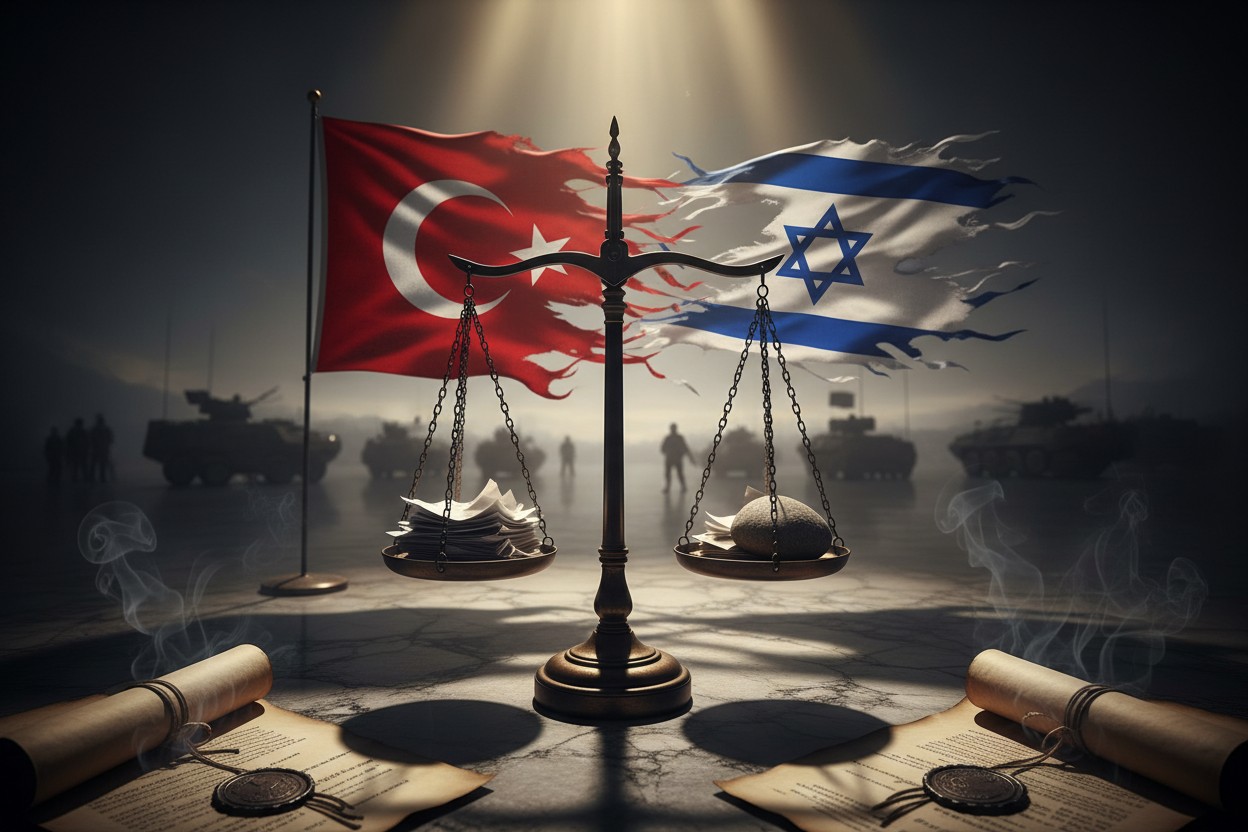
Turkey Accuses Israeli PM of War Crimes, Issues Formal Statement Comparing Him to Hitler
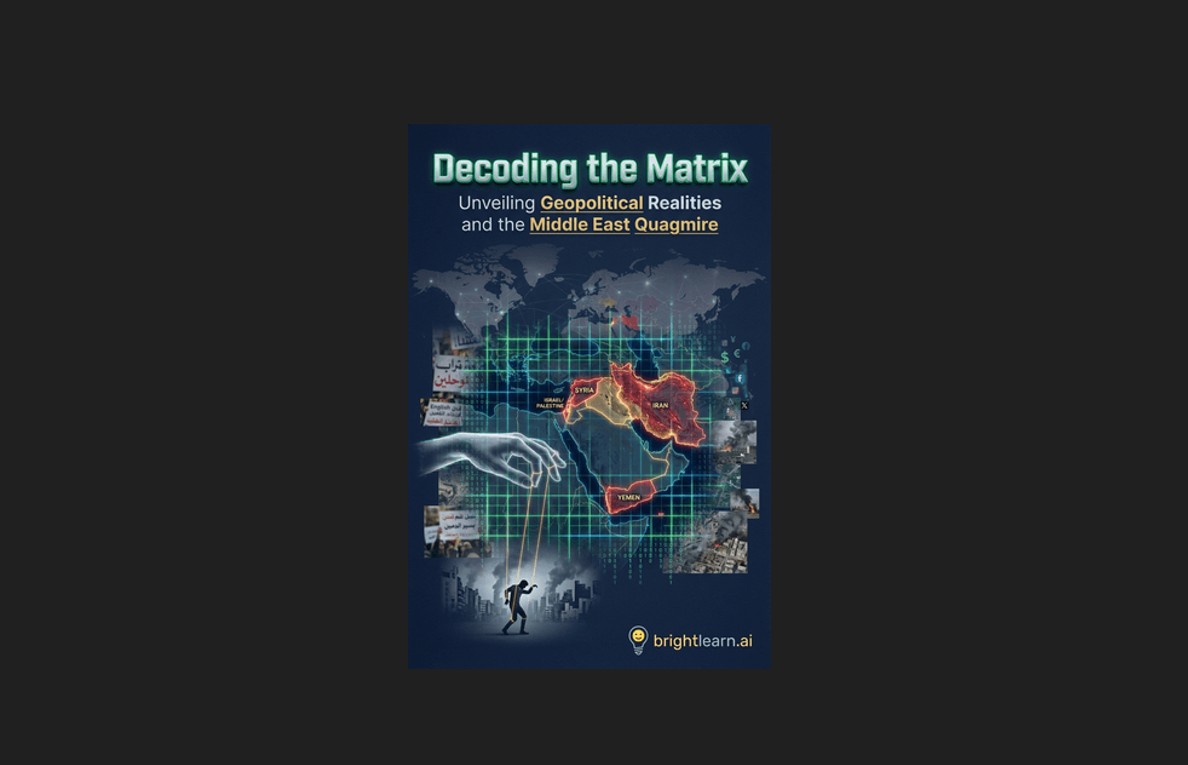
Decoding the Matrix: How global elites engineered chaos in the Middle East
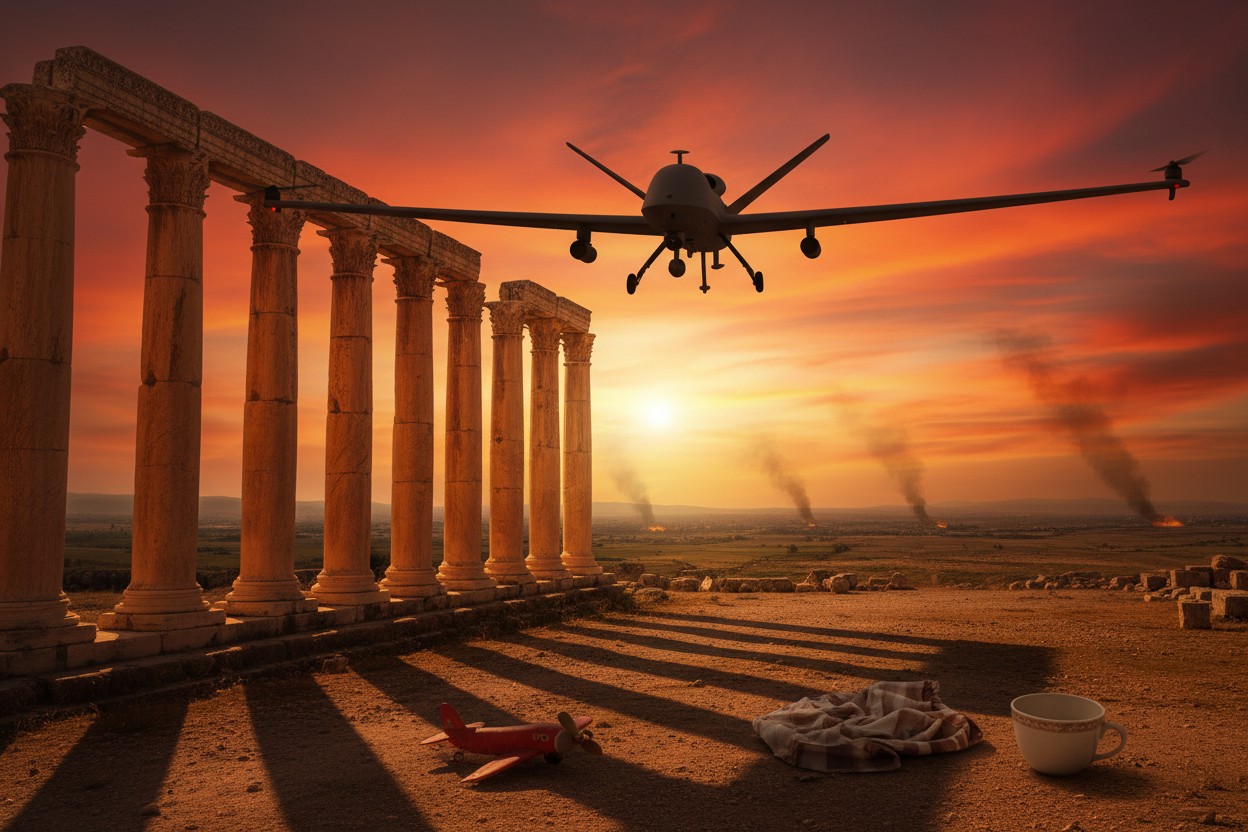
UK Drone Operated Over Southern Lebanon Prior to Civilian Casualty Incident, Report Claims
