© Brighteon.com All Rights Reserved. All content posted on this site is commentary or opinion and is protected under Free Speech. Brighteon is not responsible for comments and content uploaded by our users.

History holds many lessons. Looking back, it’s pretty alarming to note the striking parallels between the Great Depression of the 1930s and today’s economic climate. Echoes from the past seem to be resounding louder than ever.
Many people will point to the differences between 2023 versus the Great Depression. Still, they may not remember the roaring 1920s came before the Great Depression, and the 1929 end game of that era has a lot of similarities with 2023. There are many parallels between today’s world and the one that gave us the Great Depression. Let’s dive into the details.
Stock Market Volatility
Much like the infamous Wall Street Crash of 1929, today’s stock market is showing signs of turbulence. In the late 1920s and early 1930s, stocks swung wildly before plummeting, ushering in the Great Depression. Today, traders are on edge as the market bobs and weaves, reflecting an unsettling instability. While some indices and stocks may be near all-time highs, others have been in an extensive trading range for two years. We may already be in a cyclical sideways market with the danger of a bear market or even a crash.
Speculation
In the late twenties, speculation ran rampant, with countless investors putting their money into the stock market, hoping for quick and easy returns. Stock prices soared, driven more by this rampant speculation than by the companies’ actual value. There was a frenzy in the air, a belief that the upward trajectory was never-ending.
Fast forward to the 2020s, and the scene feels eerily similar. Swap out the stock market for modern equivalents like cryptocurrencies, SPACs, NFTs, and the previous red-hot real estate market. Cryptocurrencies, in particular, have drawn massive speculation, their volatile prices often driven by investor sentiment rather than any intrinsic value.
SPACs, or particular purpose acquisition companies, have also emerged as popular speculative investments. They’re often called “blank check” companies, raising funds to acquire a private company and take it public. But there’s risk involved, as investors essentially place their trust (and money) in the SPAC’s management without knowing what company they’ll eventually acquire. Many SPACs have already collapsed in value.

Indiana schools enforce strict cell phone ban to boost focus and reduce social conflict

The invisible war: How a cyberattack could plunge your city into darkness

Cyber war escalates: Iran-backed hackers target U.S. medical-technology giant Stryker

Pentagon Confirms 150+ U.S. Casualties as Global Energy Markets Brace for Collapse
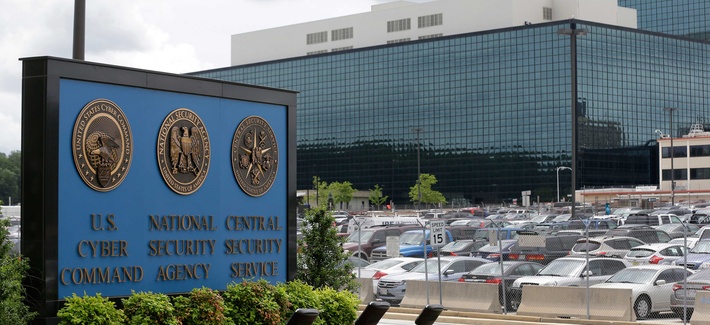
Senate Confirms General Joshua Rudd as Director of NSA and Cyber Command

DHS Funding Lapse Prompts Earlier Airport Arrival Recommendations Amid Reported Delays
