© Brighteon.com All Rights Reserved. All content posted on this site is commentary or opinion and is protected under Free Speech. Brighteon is not responsible for comments and content uploaded by our users.


This channel has partnered with the Brighteon Store and receives a small commission from all sales generated from an affiliate link.
Click the shop now button below to help out this channel.
The war on Iran reached a new height over the weekend, with the United States and Israel attacking infrastructure in the Islamic Republic, provoking a serious response.
The first attack took place early on March 7 and targeted a water desalinization plant on Qeshm Island. Iran’s Foreign Minister Seyed Abbas Araghchi held the U.S. responsible, warning that “attacking Iran’s infrastructure is a dangerous move with grave consequences.” He added that the “U.S. set this precedent, not Iran.”
Later on the same day, Israel escalated, attacking oil depots in the Kuhak and Shahran areas of the Iranian capital, Tehran, as well as in the nearby city of Karaj. Some 30 large oil tanks were reportedly hit.
The Israeli military claimed that the strikes targeted only depots serving Iranian forces. The strikes killed four civilians and caused what can be only described as an environmental disaster. The sky over Tehran was blanketed with thick, choking smoke, with reports of oil-saturated raindrops from black clouds raining down on the capital after the strikes.
The response came fast from Iran. Late on March 7, the Islamic Revolution Guards Corps said that it attacked a refinery in the port city of Haifa in Israel.
The next day, March 8, Kuwait reported Iranian strikes on fuel tanks at the Kuwait International Airport, where a massive fire was reported. Bahrain also announced that strikes launched from the Islamic Republic hit a water desalinization plant.
On March 9, Iran launched an even larger attack against Bahrain. The Al Ma’ameer oil facility took a serious hit. The strikes caused a fire at the complex along with material damage. Bahrain’s state oil company, BAPCO, declared force majeure for its shipments after the attack.
Amid this escalation, the price of oil spiked well over $110 per barrel. Taking into consideration that the Israeli-American war has already forced Iraq, Kuwait, Saudi Arabia, Qatar and the United Arab Emirates to cut production, the price of oil will not likely return to pre-war levels any time soon.
The U.S. was reportedly angered with the Israeli strikes on Iranian oil depots, which started the escalation. One report by Axios revealed that American officials are concerned that strikes on infrastructure that serves ordinary Iranians could backfire strategically, rallying Iranian society to support the government and driving up oil prices even higher.
Israel could attack infrastructure again, despite the agreement with the U.S., as it is clearly working to escalate and widen the war as much as possible. Iran is guaranteed to respond, and has already warned that its retaliation will not be limited to Israel, but will also include U.S. energy assets in the entire Middle East.
______________________________________________________________________
DEAR FRIENDS. IF YOU LIKE THIS TYPE OF CONTENT, SUPPORT SOUTHFRONT WORK:
MONERO (XMR): 86yfEHs6pkoDEKCxc6MAnQX8cVHmzhYxMVrNuwKgNmqpWK8dDxjgGnK8PtUNJMACbn6xEGxmRauNTHJhUJpg9Mwz8htBBND
BITCOIN (BTC): bc1qgu58lfszcpqu6fd8l98m378wgzugyg9y93lcym
BITCOIN CASH (BCH): qr28d80s5juzv2793k5jrq59xrl5fxd8qg9h3zlkk2
PAYPAL, WESTERN UNION etc: write to [email protected] , [email protected]
Mirrored - South Front
----------------
To survive what is coming, read/study: https://thewayhomeorfacethefire.net
The Gibraltar Messenger : https://gibraltar-messenger.net/
Christ is KING!
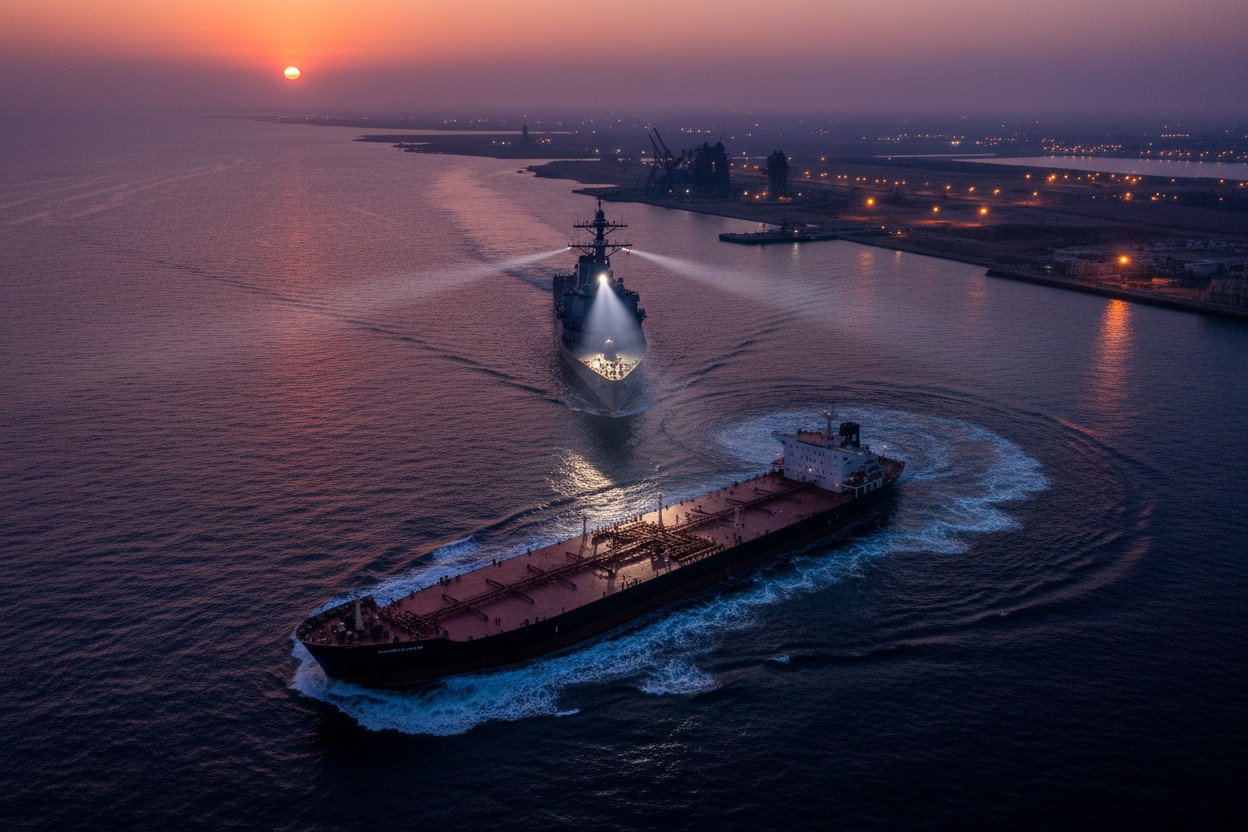
U.S. Announces Hormuz Blockade, Considers Limited Strikes After Iran Talks Fail

A high-stakes gambit: U.S. blockades critical oil chokepoint as Iran talks collapse
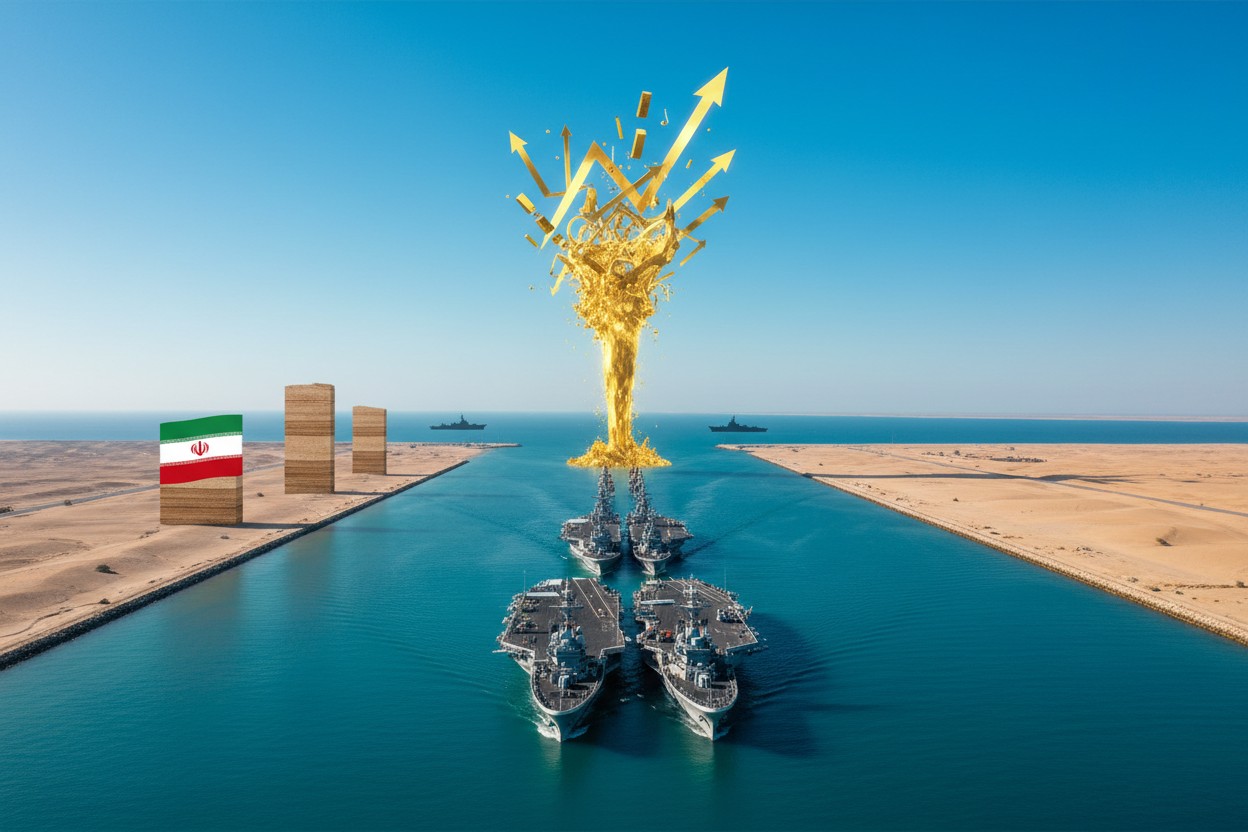
Oil Prices Surge Past $100 After Trump Announces Strait of Hormuz Blockade
Turkey Accuses Israeli PM of War Crimes, Issues Formal Statement Comparing Him to Hitler
Decoding the Matrix: How global elites engineered chaos in the Middle East
UK Drone Operated Over Southern Lebanon Prior to Civilian Casualty Incident, Report Claims
