© Brighteon.com All Rights Reserved. All content posted on this site is commentary or opinion and is protected under Free Speech. Brighteon is not responsible for comments and content uploaded by our users.


This channel has partnered with the Brighteon Store and receives a small commission from all sales generated from an affiliate link.
Click the shop now button below to help out this channel.
Amid heavy daily losses, the Ukrainian military continues aggressive mobilization. Scattered Ukrainian units are replenished, primarily thanks to forced conscription through regional recruitment centers. According to Ukrainian estimates, that are often compromising real numbers, such a regional center processes at least 100 individuals per day, contributing to an estimated daily influx of around 2,000 new soldiers into the Armed Forces of Ukraine. This figure does not even account for the remaining so-called “volunteers,” many of whom enlist out of desperation rather than conviction. With widespread unemployment and poverty, men often see no other choice. Joining the army provides their families with meager financial support, firewood, coal, utility subsidies, and educational benefits.
One captured soldier bluntly admitted, “I came here to die so my family would get some money. I know they won’t pay millions, but at least it’s something.”
The Russian military has responded by systematically targeting these recruitment centers across the country. Recent precision attacks on recruitment centers in Poltava, Bilhorod-Dnistrovskyi, Kryvyi Rih, Rivne, and Kharkiv region suggest a shift in Russian strategy aimed at disrupting Ukraine’s ability to replenish its forces.
Russian strikes have also evolved tactically. Today’s strikes on targets in Poltava demonstrate a calculated approach—multiple drones, often three or more per target, strike from different angles to ensure destruction while overwhelming air defenses. This method increases the likelihood of neutralizing high-value objectives, such as recruitment centers or military logistics hubs.
Strikes on mobilization centers are met with rejoice from the locals seeing Russian strikes as a way to escape from forced mobilization, indicating growing resentment toward Kyiv’s aggressive conscription tactics.
Despite inhumane Kyiv’s attempts, Ukrainian mobilization efforts are faltering. The pool of eligible men is shrinking, with many either evading authorities, or fleeing abroad. Over 7 million Ukrainians have left the country since the war began, including draft-age men smuggled out through corrupt networks. Fake humanitarian organizations, often with official complicity, facilitate escapes by forging documents or exploiting volunteer permits. Meanwhile, desertions within the military remain rampant, with 20,000 soldiers abandoning their posts in May alone.
Ukraine’s mobilization system is buckling under corruption, evasion, and dwindling public trust. As Russian strikes intensify, Kyiv faces a paradox: harsher conscription measures only fuel resistance and further erode morale. Ukraine risks not just a manpower crisis, but a collapse of institutional credibility. Meanwhile, Russia capitalizes on this vulnerability, as its attacks are met as a form of “liberation” from forced enlistment and death on the battlefield.
DEAR FRIENDS. IF YOU LIKE THIS TYPE OF CONTENT, SUPPORT SOUTHFRONT WORK :
BTC: bc1qgu58lfszcpqu6fd8l98m378wgzugyg9y93lcym
BITCOINCASH: qr28d80s5juzv2793k5jrq59xrl5fxd8qg9h3zlkk2
MONERO (XMR): 86yfEHs6pkoDEKCxc6MAnQX8cVHmzhYxMVrNuwKgNmqpWK8dDxjgGnK8PtUNJMACbn6xEGxmRauNTHJhUJpg9Mwz8htBBND
paypal, western union etc: write to [email protected] , [email protected]
Mirrored - South Front
----------------
To survive what is coming, read/study: https://thewayhomeorfacethefire.net
The Gibraltar Messenger : https://gibraltar-messenger.net/

Trump escalates military strikes against Iran: B-1 bombers target ballistic missile systems

Israel used hacked traffic cameras and AI to assassinate Iran’s Supreme Leader, report reveals
CENTCOM confirms 6 U.S. troops killed, 18 wounded as Iranian strike hits American Operations Center

The Final Chapter: How Trump’s Ill-Fated War with Iran Dooms the American Empire
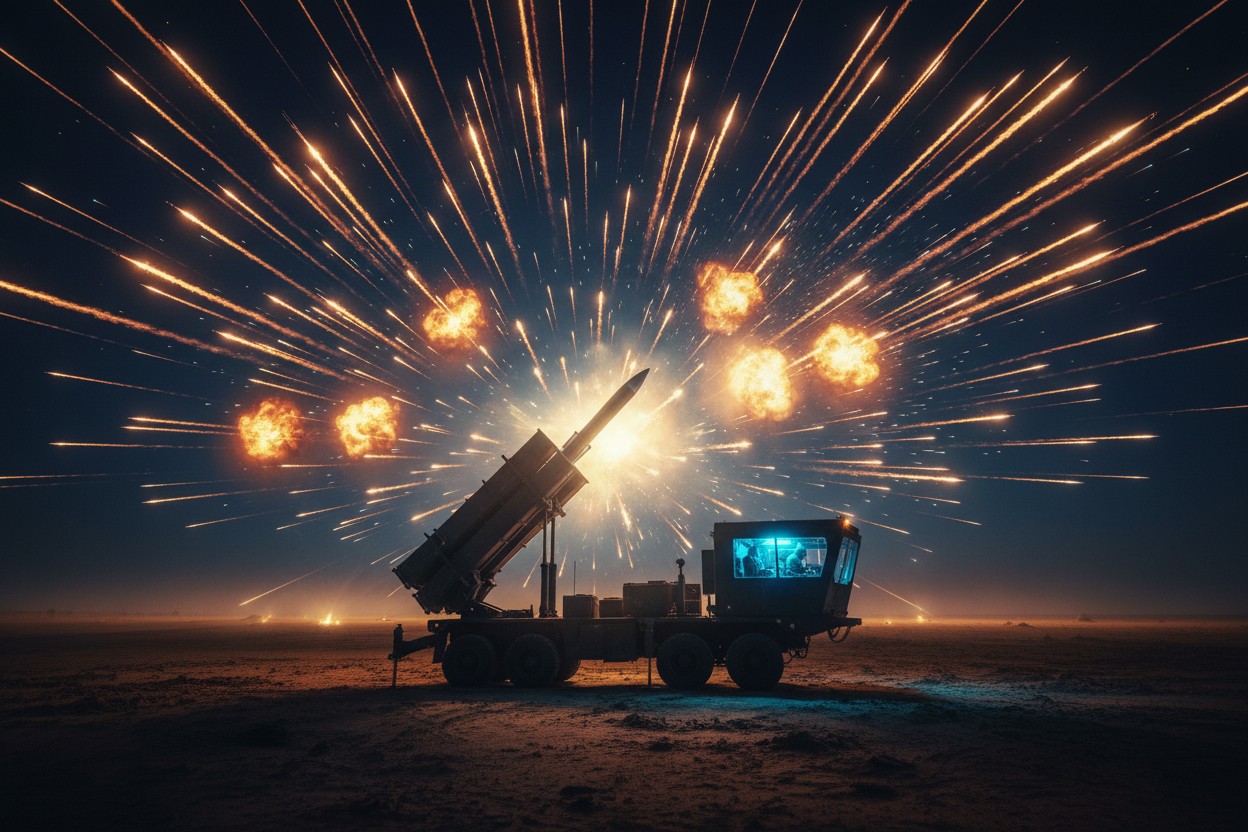
U.S. Facing Critical Shortage of Air Defense Munitions as Iran Pounds Regional Bases

The Final Debasement: Operation Epic Fury Triggers Economic Collapse as Globalist Wars Destroy Your Savings
