© Brighteon.com All Rights Reserved. All content posted on this site is commentary or opinion and is protected under Free Speech. Brighteon is not responsible for comments and content uploaded by our users.
We will look at a Moose hunting closure, the disappearance of wildlife. we will take a trip to see a bid radar unit. thousands of deaths do to extreme heat.
Please consider donating to the channel as it helps us to do more projects like this. Thank you.
Buy me a coffee ☕️ 😋 yes please and thank you.
or
https://www.paypal.me/AlaskaSkyWatcher
Rumble
https://rumble.com/v53iimz-where-is-the-wildlife-plus-big-radars.html
Poker Flats Research Facility
https://amisr.com/amisr/about/about_pfisr/
What would happen to a person caught in a large radar dish when it was energized?
The primary effect of radio waves is to “jiggle” molecules, especially water. This results in heat that can denature (cook) some of the proteins in your body, which is a health hazard when the power is too high. Your microwave oven is a perfect example for this.
There is a - perhaps apocryphal - story from the early days of radar, in which officials from the Air Ministry in the UK visited a lab developing the technology before WWII. They were singularly unimpressed, because they couldn’t see the radio waves or their effects. The lead scientist had anticipated this and placed a raw egg right in front of the transmitter. Once he turned on the system, the egg exploded because of the sudden expansion of the interior as the radio waves heated it. That was a hit and the lab got the funding to continue development.
This story aside, the health effects depend on power, pulse duration, frequency, and illumination.
Power is easy - the more power, the more the molecules get jiggled
Pulse duration is easy as well - the longer the power is on, the longer the heating takes place.
Frequency is very important because water molecules react more to some frequencies than others. For example, there is relatively little risk at low frequencies (MHz), whereas frequencies around 18 GHz are particularly risky because most of the transmitted power is absorbed.
Illumination also makes a difference. Illumination refers to how the actual transmitting element distributes its power across the surface of the radio dish. A large radio dish is safer because the power density of any area covered by you is relatively small. If your radio dish is small, the risk is high.
In my days with an artillery fire control radar that had fairly large power with a small dish, the safety precautions were very clear. When transmitter power was on, all hatches had to be closed (this was on a tank) to shield the crew. On the outside, nobody was allowed within 50 meters in front of the antenna and 10 meters in any direction.
Real Fishing Life
https://www.youtube.com/@1RealFishingLife/videos
3DogGunnit
https://www.youtube.com/@3DogGunnit/videos
Dave Holly UK
https://www.youtube.com/channel/UC_L4zUJxvLGGhT5yzIJOOsw/videos
John Graf
https://www.youtube.com/@TheSpitmitt/videos
Sunfire Sky
https://www.youtube.com/@sunfiresky2018/videos
MontgomeryPeabody
https://www.youtube.com/@MontgomeryPeabody
Shared from and subscribe to:
Alaska Sky Watcher
https://www.youtube.com/@alaskaskywatcher/videos

Pentagon Confirms 150+ U.S. Casualties as Global Energy Markets Brace for Collapse
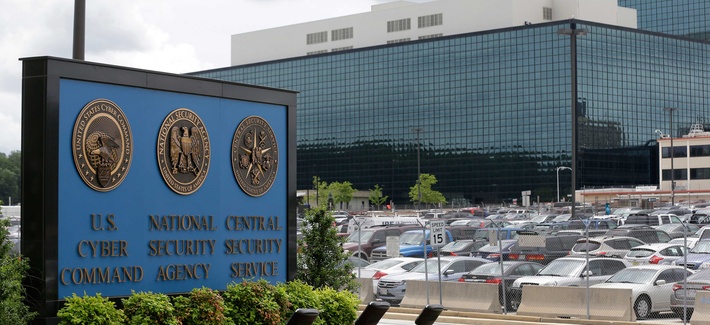
Senate Confirms General Joshua Rudd as Director of NSA and Cyber Command
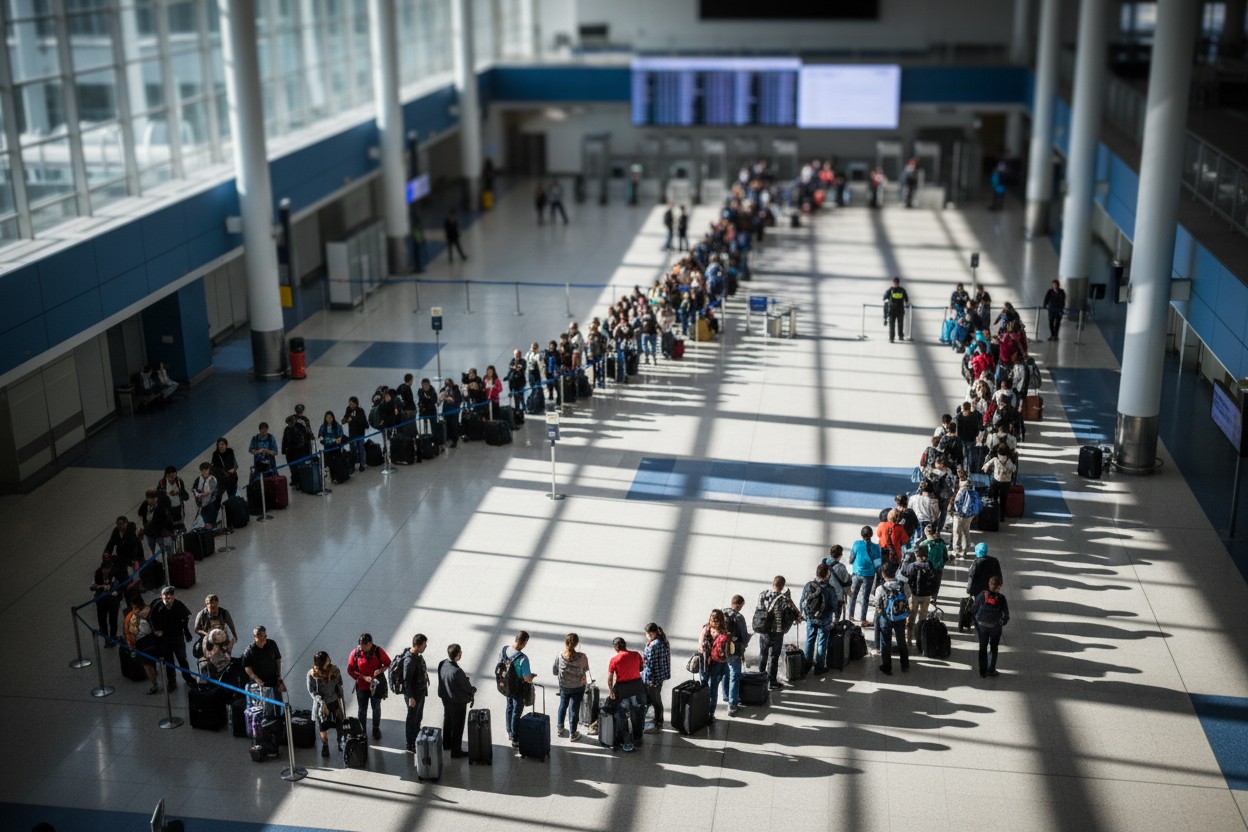
DHS Funding Lapse Prompts Earlier Airport Arrival Recommendations Amid Reported Delays
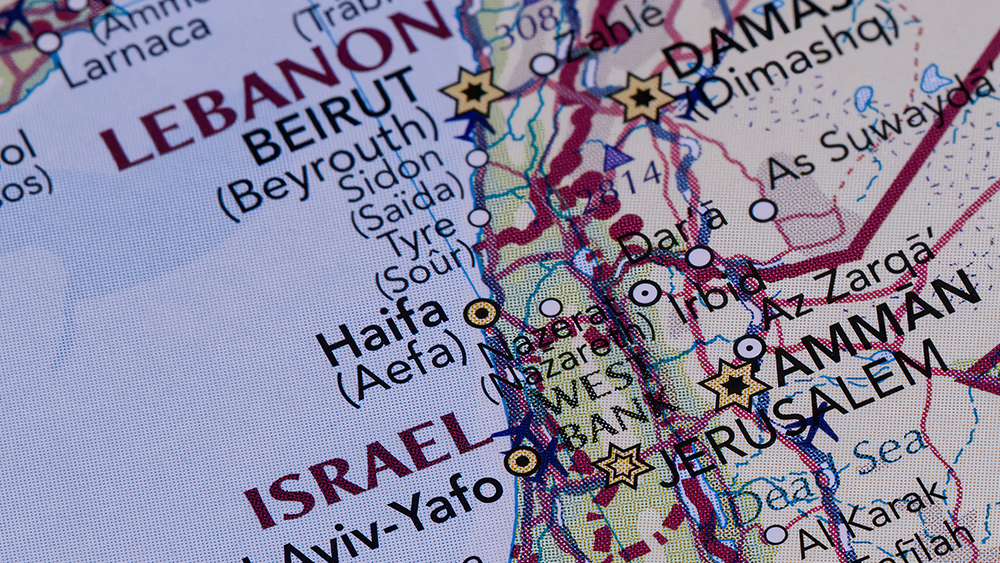
EU pledges $115 million in humanitarian aid to Lebanon amid escalating regional conflict
Iran threatens to ELIMINATE Trump as tensions escalate over Strait of Hormuz
The Famine Years: How Trump’s Unnecessary War Has Put Global Food Security on the Brink
