© Brighteon.com All Rights Reserved. All content posted on this site is commentary or opinion and is protected under Free Speech. Brighteon is not responsible for comments and content uploaded by our users.


This channel has partnered with the Brighteon Store and receives a small commission from all sales generated from an affiliate link.
Click the shop now button below to help out this channel.
Actress Olivia Munn recently shared an emotional update https://www.instagramDOTcom/oliviamunn/p/DL5EDmbA4ir/ on her mother’s battle with breast cancer, just one year after her own diagnosis and double mastectomy. While Munn credited early detection and medical intervention for saving their lives, her story has reignited discussions about the alarming rise in cancer cases among younger women—and whether modern health risks could be playing a role.
A Family’s Fight Against Breast Cancer
Munn, 43, revealed that her mother, Kim, was diagnosed with Stage 1 Her2-positive breast cancer after taking the Tyrer-Cuzick Risk Assessment test, which Munn had urged her to complete. Despite a clear mammogram, an MRI detected the cancer early, allowing for prompt treatment. Kim has since undergone 12 rounds of chemotherapy and will continue immunotherapy into the fall.
The actress praised the medical teams involved but also highlighted the emotional toll of watching a loved one endure cancer treatment. “Going through cancer is really hard,” Munn wrote on Instagram. “But there’s something about watching a loved one go through it that is even more heartbreaking.”
Why Are More Young Women Getting Cancer?
While Munn focused on preventive screening, her story arrives amid growing concerns over unexplained increases in aggressive cancers—particularly in adults under 50. Some researchers have pointed to environmental toxins, lifestyle changes, and immune system disruptions as possible factors.
Could COVID-19 or vaccines be influencing this trend? Mainstream medicine dismisses the idea, but a vocal minority of doctors and patients suspect immune dysregulation from infections or medical interventions might be accelerating latent conditions.
A Call for Awareness—and Answers
Munn emphasized the importance of risk assessment tests, urging women to advocate for MRIs if they score above 20% on the Tyrer-Cuzick model. Yet, the bigger question remains: Why are so many healthy women—with no prior family history—suddenly developing cancer?
----------
Mirrored - bootcamp
Bootcamp now on Brighteon - https://www.brighteon.com/channels/chestyp
Please subscribe to him, he has done some excellent work during the plandemic/vaxx genocide
----------
To survive what is coming, read/study: https://thewayhomeorfacethefire.net
The Gibraltar Messenger : https://gibraltar-messenger.net/

Ticks and the growing threat beyond Lyme disease
Groundwater contamination near golf courses linked to increased Parkinson’s risk
Alternative Health Sources Identify Several Fish High in Vitamin D

Lycopene: The powerful antioxidant hidden in red fruits and vegetables
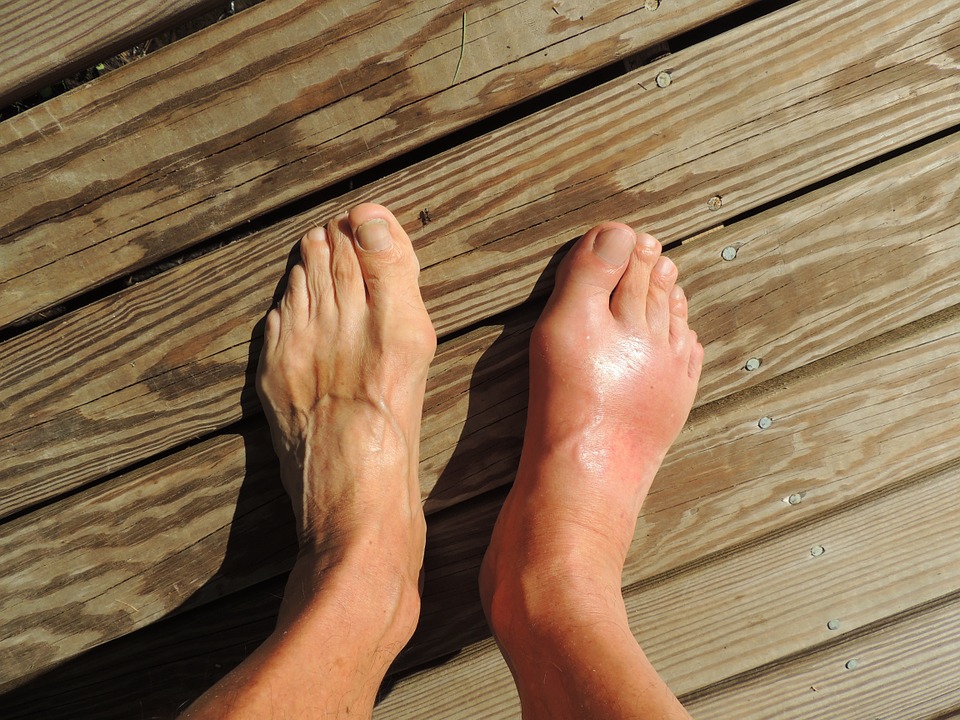
The hidden triggers of gout: How diet and lifestyle fuel the pain—and how to stop it
Data centers, drought, and decay: The triple threat pushing U.S. water systems to the brink
