© Brighteon.com All Rights Reserved. All content posted on this site is commentary or opinion and is protected under Free Speech. Brighteon is not responsible for comments and content uploaded by our users.
MIT PhD Stephanie Seneff--The Troubling Role of Glyphosate in COVID-19 from Mercola.com

544 followers
Follow
1
Share
Report
89 views • October 17, 2021
STORY AT-A-GLANCE
Your body substitutes glyphosate for glycine, and in so doing, poisons your body’s machinery for creating proteins
In normal physiology, processes in your mitochondria ensure deuterium depletion. If your mitochondria are damaged by glyphosate, they’re not going to be able to eliminate the deuterium properly and the buildup of deuterium may contribute to chronic disease
Glyphosate may play an important role in cases of severe COVID-19. If you've accumulated a lot of glyphosate in your tissues, your immune cells will be impaired, making it difficult to clear the virus
To avoid glyphosate exposure, the most important strategy is to eat certified organic foods whenever possible, and eat/drink more sulfur-containing foods, organic grass fed milk and butter, glacier water, animal fats and probiotic foods
To help mitigate the toxic effects of glyphosate, you can take an inexpensive glycine supplement.
In this interview, Stephanie Seneff, Ph.D., a senior research scientist at MIT, reviews the health impacts of glyphosate. She has just finished writing a book about glyphosate called "Toxic Legacy: How the Weedkiller Glyphosate is Destroying Our Health and the Environment," which is expected to be published in June 2021.
For years, glyphosate was assumed safe and claims of toxicity were vehemently denied. But in recent years, studies on glyphosate have been demonstrating toxicity even at very low levels. Seneff also believes glyphosate exposure may be a key player in cases of severe COVID-19, which we'll unravel in this interview.
Glyphosate's Mechanism of Action
The "gly" in glyphosate actually stands for the amino acid glycine. The glycine amino acid in glyphosate has a methylphosphonate group attached to its nitrogen atom, which is responsible for its effects and toxicity.
After studying the research literature on glyphosate, Seneff has reached the conclusion that your body sometimes substitutes glyphosate for the amino acid glycine when it is constructing proteins, and this can have devastating consequences in some cases. The proteins created with glyphosate instead of glycine simply don't work because glyphosate is much larger than glycine and also negatively charged, and as a result this alters important physical characteristics.
Monsanto's own research, dating back to the late 1980s, shows that glyphosate accumulates in various tissues, even though they claim it doesn't.1 The Monsanto researchers proposed that it was "incorporated into" the proteins in the tissues. This is not widely appreciated, even in the natural health community.
Now, if you have a distorted analog of glycine (in the form of glyphosate), the protein constructed from it is not going to work like it's supposed to. In her book, Seneff details the amino acids in proteins that are most susceptible to damage because of what she calls a "glyphosate susceptible motif."
"It's really fascinating biology and so terrifying when you think of the potential consequences, if I'm right," she says. "It matches so well with all the diseases that are going up dramatically in our society that I really think I'm onto something huge here."
How Your Body Creates Deuterium-Depleted Water
Endothelial NOS (eNOS) makes nitric oxide (NO), and for every molecule of NO that it makes, it produces two molecules of water, which are deuterium depleted. Stephanie believes the NO created by eNOS may act as a signal that deuterium-depleted water has been created. Interestingly enough, deuterium-depleted water is also created during the inflammatory process.
"The inflammation is there for a good reason, and the reason is to produce deuterium-depleted water," Seneff says. "It's all because the mitochondria are failing in their task of producing their own deuterium-depleted water, which they get in part through the structured water from the sulfate [and] through enzymes that are highly skilled at choosing hydrogen over deuterium …
For clarification, the ATP synthase pump works like a mini-motor. When a hydrogen atom with one proton goes through it, it works flawlessly and generates ATP. If deuterium enters it, which has one neutron and one proton, making it twice the weight of hydrogen, it breaks that motor.
Interestingly, deuterium is everywhere, naturally, but your body has developed an intricate way to make it harmless by trapping it in the structured water, where it's beneficial, as it actually supports the creation of structured water.
Problems arise when you cannot make enough structured water to sequester it all. Then, the deuterium gets loose, causing mitochondrial dysfunction, impairing energy production and contributing to chronic disease.
Your body substitutes glyphosate for glycine, and in so doing, poisons your body’s machinery for creating proteins
In normal physiology, processes in your mitochondria ensure deuterium depletion. If your mitochondria are damaged by glyphosate, they’re not going to be able to eliminate the deuterium properly and the buildup of deuterium may contribute to chronic disease
Glyphosate may play an important role in cases of severe COVID-19. If you've accumulated a lot of glyphosate in your tissues, your immune cells will be impaired, making it difficult to clear the virus
To avoid glyphosate exposure, the most important strategy is to eat certified organic foods whenever possible, and eat/drink more sulfur-containing foods, organic grass fed milk and butter, glacier water, animal fats and probiotic foods
To help mitigate the toxic effects of glyphosate, you can take an inexpensive glycine supplement.
In this interview, Stephanie Seneff, Ph.D., a senior research scientist at MIT, reviews the health impacts of glyphosate. She has just finished writing a book about glyphosate called "Toxic Legacy: How the Weedkiller Glyphosate is Destroying Our Health and the Environment," which is expected to be published in June 2021.
For years, glyphosate was assumed safe and claims of toxicity were vehemently denied. But in recent years, studies on glyphosate have been demonstrating toxicity even at very low levels. Seneff also believes glyphosate exposure may be a key player in cases of severe COVID-19, which we'll unravel in this interview.
Glyphosate's Mechanism of Action
The "gly" in glyphosate actually stands for the amino acid glycine. The glycine amino acid in glyphosate has a methylphosphonate group attached to its nitrogen atom, which is responsible for its effects and toxicity.
After studying the research literature on glyphosate, Seneff has reached the conclusion that your body sometimes substitutes glyphosate for the amino acid glycine when it is constructing proteins, and this can have devastating consequences in some cases. The proteins created with glyphosate instead of glycine simply don't work because glyphosate is much larger than glycine and also negatively charged, and as a result this alters important physical characteristics.
Monsanto's own research, dating back to the late 1980s, shows that glyphosate accumulates in various tissues, even though they claim it doesn't.1 The Monsanto researchers proposed that it was "incorporated into" the proteins in the tissues. This is not widely appreciated, even in the natural health community.
Now, if you have a distorted analog of glycine (in the form of glyphosate), the protein constructed from it is not going to work like it's supposed to. In her book, Seneff details the amino acids in proteins that are most susceptible to damage because of what she calls a "glyphosate susceptible motif."
"It's really fascinating biology and so terrifying when you think of the potential consequences, if I'm right," she says. "It matches so well with all the diseases that are going up dramatically in our society that I really think I'm onto something huge here."
How Your Body Creates Deuterium-Depleted Water
Endothelial NOS (eNOS) makes nitric oxide (NO), and for every molecule of NO that it makes, it produces two molecules of water, which are deuterium depleted. Stephanie believes the NO created by eNOS may act as a signal that deuterium-depleted water has been created. Interestingly enough, deuterium-depleted water is also created during the inflammatory process.
"The inflammation is there for a good reason, and the reason is to produce deuterium-depleted water," Seneff says. "It's all because the mitochondria are failing in their task of producing their own deuterium-depleted water, which they get in part through the structured water from the sulfate [and] through enzymes that are highly skilled at choosing hydrogen over deuterium …
For clarification, the ATP synthase pump works like a mini-motor. When a hydrogen atom with one proton goes through it, it works flawlessly and generates ATP. If deuterium enters it, which has one neutron and one proton, making it twice the weight of hydrogen, it breaks that motor.
Interestingly, deuterium is everywhere, naturally, but your body has developed an intricate way to make it harmless by trapping it in the structured water, where it's beneficial, as it actually supports the creation of structured water.
Problems arise when you cannot make enough structured water to sequester it all. Then, the deuterium gets loose, causing mitochondrial dysfunction, impairing energy production and contributing to chronic disease.
Keywords
FREE email alerts of the most important BANNED videos in the world
Get FREE email alerts of the most important BANNED videos in the world that are usually blacklisted by YouTube, Facebook, Google, Twitter and Vimeo. Watch documentaries the techno-fascists don't want you to know even exist. Join the free Brighteon email newsletter. Unsubscribe at any time. 100% privacy protected.
Your privacy is protected. Subscription confirmation required.
Recent News

U.S. Fertility Rate Reached Historic Low in 2025, Provisional CDC Data Shows
Morgan S. Verity
Why eating peanut butter before bed might be a smart (and tasty) health move
Laura Harris

Mindful eating: How the ancient “hara hachi bu” principle can transform your health
Patrick Lewis
Mayo Clinic-Led Study Maps Mechanism for Vitamin D’s Effect on IBD Symptoms
Coco Somers
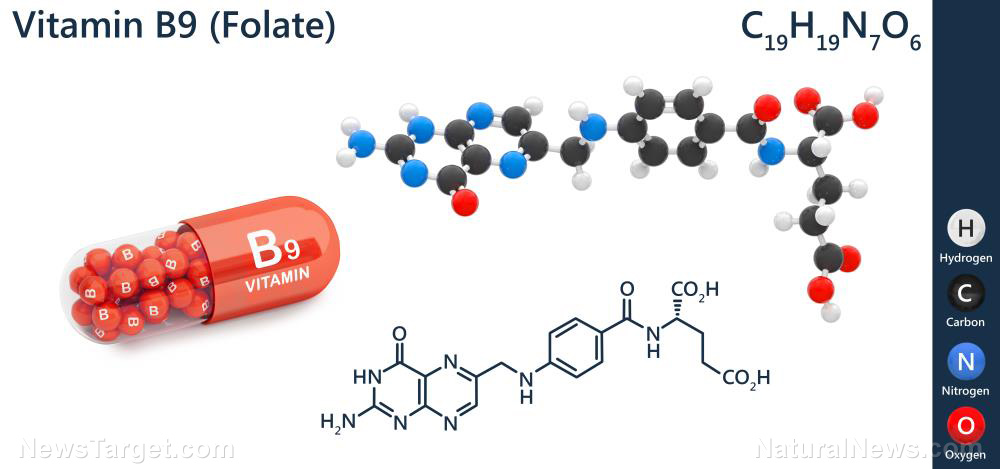
The hidden link between FOLATE levels and DEPRESSION in women: A critical balance
Evangelyn Rodriguez

Pioneering study detects high microplastic levels in prostate cancer tumors
Ava Grace
