© Brighteon.com All Rights Reserved. All content posted on this site is commentary or opinion and is protected under Free Speech. Brighteon is not responsible for comments and content uploaded by our users.
Surety Bonds FTW!

714 followers
Follow
0
Share
Report
63 views • January 30, 2022
https://www.cavignac.com/2022/01/surety-101-for-contractors-part-i-types-of-bonds-their-purpose/
The primary driver for requiring bonds is the Miller Act. This Act was enacted in 1935 in an effort to protect the interest of taxpayers, the federal government and subcontractors in constructing federal projects. It requires prime contractors provide bid, performance and payment bonds for any contract exceeding $150,000 to construct, alter or repair any public building or public work. Most states also have what are commonly referred to as a Little Miller Acts (LMAs), applying the same concept as the federal Miller Act for construction projects at the state and local level. These LMAs can have a lower threshold for requiring the bonds (i.e California does not require payment bonds for projects under $25,000). Other entities that may require bonds for construction projects include universities, colleges, and school districts among others.
There are three parties to a bond – the Principal (contractor), the Obligee (project owner) and the Surety (typically an insurance company). Each party has different responsibilities as it relates to performance, notices and remedies in the event of a claim. In the most basic terms, the Principal is liable to the Obligee to complete the scope of work in the amount of time allotted in the contract, and to pay their subcontractors and suppliers under the contractual terms. The Obligee is required to fulfill its requirements under the contract. In the event either party does not fulfill its obligations, the likelihood of a termination or default from either party increases substantially.
The third party to the bond – the Surety – is obligated to “step into the shoes” of the Principal (contractor) in the event the Obligee calls upon either a Performance or Payment bond. Depending on the contract terms and bond form used, the Surety has various options when this occurs, which include (in the most basic sense):
Financing the Principal through the completion of work
Hiring an alternative contractor to complete the remaining work
Making payment to the Obligee for the balance of remaining work and associated costs
These options are evaluated by the Surety as they complete an in-depth review of the issue that caused the Obligee to make a claim on the bond. It is the Surety’s responsibility to make this assessment and work to resolve the issue with the Obligee as expeditiously as possible. In the event of a claim, it is to the Principal’s benefit to have open communication and transparency with the Surety to ensure the most favorable resolution to the claim.
The primary driver for requiring bonds is the Miller Act. This Act was enacted in 1935 in an effort to protect the interest of taxpayers, the federal government and subcontractors in constructing federal projects. It requires prime contractors provide bid, performance and payment bonds for any contract exceeding $150,000 to construct, alter or repair any public building or public work. Most states also have what are commonly referred to as a Little Miller Acts (LMAs), applying the same concept as the federal Miller Act for construction projects at the state and local level. These LMAs can have a lower threshold for requiring the bonds (i.e California does not require payment bonds for projects under $25,000). Other entities that may require bonds for construction projects include universities, colleges, and school districts among others.
There are three parties to a bond – the Principal (contractor), the Obligee (project owner) and the Surety (typically an insurance company). Each party has different responsibilities as it relates to performance, notices and remedies in the event of a claim. In the most basic terms, the Principal is liable to the Obligee to complete the scope of work in the amount of time allotted in the contract, and to pay their subcontractors and suppliers under the contractual terms. The Obligee is required to fulfill its requirements under the contract. In the event either party does not fulfill its obligations, the likelihood of a termination or default from either party increases substantially.
The third party to the bond – the Surety – is obligated to “step into the shoes” of the Principal (contractor) in the event the Obligee calls upon either a Performance or Payment bond. Depending on the contract terms and bond form used, the Surety has various options when this occurs, which include (in the most basic sense):
Financing the Principal through the completion of work
Hiring an alternative contractor to complete the remaining work
Making payment to the Obligee for the balance of remaining work and associated costs
These options are evaluated by the Surety as they complete an in-depth review of the issue that caused the Obligee to make a claim on the bond. It is the Surety’s responsibility to make this assessment and work to resolve the issue with the Obligee as expeditiously as possible. In the event of a claim, it is to the Principal’s benefit to have open communication and transparency with the Surety to ensure the most favorable resolution to the claim.
Keywords
FREE email alerts of the most important BANNED videos in the world
Get FREE email alerts of the most important BANNED videos in the world that are usually blacklisted by YouTube, Facebook, Google, Twitter and Vimeo. Watch documentaries the techno-fascists don't want you to know even exist. Join the free Brighteon email newsletter. Unsubscribe at any time. 100% privacy protected.
Your privacy is protected. Subscription confirmation required.
Recent News

Indiana schools enforce strict cell phone ban to boost focus and reduce social conflict
Patrick Lewis

The invisible war: How a cyberattack could plunge your city into darkness
Zoey Sky

Cyber war escalates: Iran-backed hackers target U.S. medical-technology giant Stryker
Lance D Johnson

Pentagon Confirms 150+ U.S. Casualties as Global Energy Markets Brace for Collapse
Garrison Vance
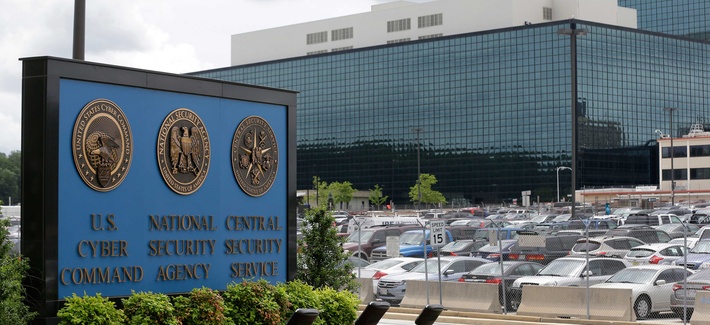
Senate Confirms General Joshua Rudd as Director of NSA and Cyber Command
Chase Codewell

DHS Funding Lapse Prompts Earlier Airport Arrival Recommendations Amid Reported Delays
Morgan S. Verity
